Explore Vision Inspection Systems: Overview, Facts, and Practical Tips
Vision inspection systems are automated technologies that use cameras, lighting, sensors, and software algorithms to examine products or processes. These systems analyze visual information to detect defects, measure dimensions, verify labels, and ensure consistency in manufacturing or packaging environments.
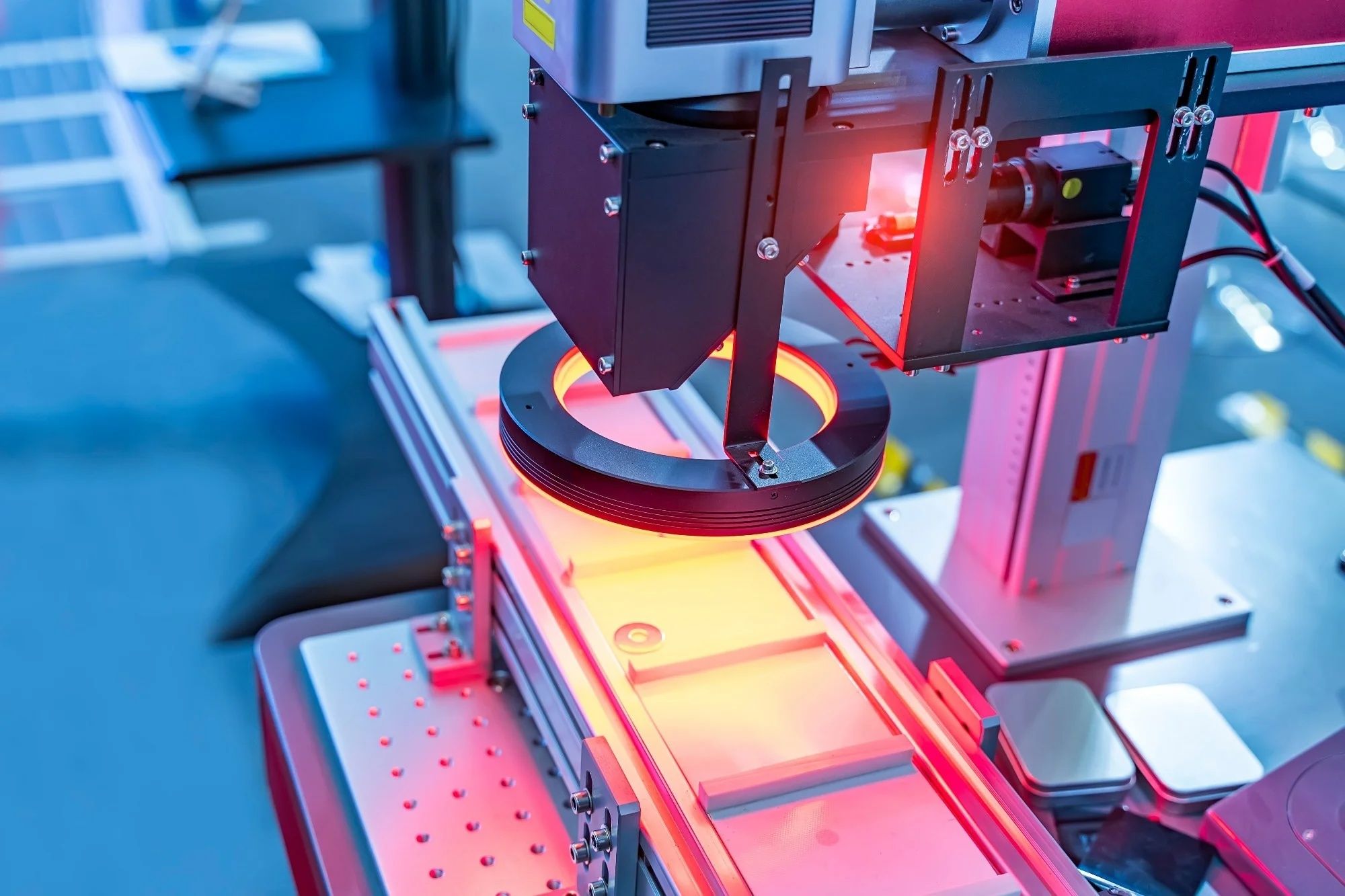
They exist to solve a basic challenge in production: maintaining quality at scale. Human inspection can be inconsistent, especially when dealing with high-speed manufacturing lines. Fatigue, lighting conditions, and subjective judgment may affect results. Vision inspection systems provide repeatable, data-driven analysis that helps reduce errors.
A typical machine vision system includes:
-
Industrial cameras
-
Controlled lighting sources
-
Image processing software
-
A computing unit
-
Integration with industrial automation systems
These systems are widely used in industries such as automotive, electronics, pharmaceuticals, food processing, and packaging. They often work as part of larger industrial automation frameworks.
Why Vision Inspection Systems Matter Today
The growth of smart manufacturing solutions and digital transformation has increased the demand for reliable quality control systems. As production lines become faster and more complex, automated optical inspection plays a key role in maintaining standards.
Vision inspection systems matter because they:
-
Improve product consistency
-
Reduce manufacturing defects
-
Support traceability and documentation
-
Enable real-time defect detection technology
-
Enhance regulatory compliance
Industries affected include:
-
Electronics manufacturers using automated optical inspection (AOI) for printed circuit boards
-
Automotive suppliers checking component alignment and assembly
-
Pharmaceutical facilities verifying packaging integrity and label accuracy
-
Food and beverage producers inspecting seals and expiration codes
Below is a simplified comparison between manual and automated inspection:
| Factor | Manual Inspection | Vision Inspection Systems |
|---|---|---|
| Speed | Moderate | High-speed processing |
| Consistency | Variable | Highly consistent |
| Data Collection | Limited | Automated digital records |
| Scalability | Limited | Easily scalable |
| Error Detection Accuracy | Subjective | Algorithm-based precision |
Vision inspection systems also generate data that can be used for predictive analytics. When combined with AI-powered inspection models, these systems can learn patterns and improve over time.
Recent Developments in Machine Vision Technology
Over the past year, several notable trends have shaped the vision inspection landscape.
One key development has been the expansion of AI-driven image processing. Manufacturers increasingly use deep learning models to detect complex or subtle defects that traditional rule-based systems struggle to identify.
Edge computing has also gained attention. Instead of sending image data to centralized servers, many modern systems process information directly on the production floor. This reduces latency and enhances real-time decision-making.
Another trend is the integration of vision inspection systems with Industrial Internet of Things (IIoT) platforms. This enables centralized monitoring across multiple production sites and supports data analytics dashboards.
In addition:
-
High-resolution 3D imaging has become more accessible
-
Hyperspectral imaging is being tested for material analysis
-
Cybersecurity protections for industrial automation networks have been strengthened
-
Energy-efficient components are being integrated into new systems
These changes reflect a broader move toward Industry 4.0 environments, where inspection, data analytics, and automation are closely connected.
Regulatory and Policy Considerations
Vision inspection systems often operate within regulated manufacturing environments. Quality control processes must align with established standards and industry regulations.
In many countries, manufacturers follow international standards such as:
-
ISO quality management frameworks
-
Good Manufacturing Practice (GMP) guidelines in pharmaceuticals
-
Food safety compliance frameworks
-
Automotive production standards
Vision inspection systems help organizations meet documentation and traceability requirements. For example:
-
Time-stamped inspection logs
-
Digital defect tracking records
-
Automated reporting tools
-
Audit-ready data storage
Data privacy and cybersecurity policies also influence system design. When inspection systems connect to networks or cloud platforms, they must comply with relevant data protection and industrial cybersecurity guidelines.
Environmental policies may also affect system configuration. Energy-efficient lighting and reduced waste initiatives can shape hardware choices and operational strategies.
Tools and Resources for Vision Inspection
Several tools and platforms support the implementation and optimization of vision inspection systems.
Popular categories include:
Image Processing Software
-
OpenCV for computer vision development
-
MATLAB image processing toolbox
-
Dedicated industrial machine vision platforms
Hardware Configuration Tools
-
Camera configuration utilities
-
Lighting design calculators
-
Lens selection guides
Integration Platforms
-
Industrial automation software suites
-
Programmable logic controller (PLC) interfaces
-
IIoT dashboards
Simulation and Testing Resources
-
Digital twin modeling software
-
Virtual production line simulators
-
Calibration templates
Educational Resources
-
Online courses in computer vision
-
Technical documentation libraries
-
Industry white papers
Below is a simple example of a vision inspection workflow:
| Step | Process Description |
|---|---|
| 1 | Image capture using industrial camera |
| 2 | Lighting stabilization and filtering |
| 3 | Image preprocessing and enhancement |
| 4 | Defect detection algorithm execution |
| 5 | Pass/fail decision output |
| 6 | Data logging and reporting |
Organizations often combine multiple tools to create a fully integrated quality control system.
Practical Tips for Implementing Vision Inspection Systems
When introducing a machine vision system, careful planning improves outcomes.
Start with clear objectives
Define what defects need to be detected and at what tolerance levels.
Optimize lighting conditions
Lighting design is critical. Even advanced software may fail without consistent illumination.
Choose the right camera resolution
Higher resolution is not always better. Match camera specifications to inspection needs.
Test under real production conditions
Simulated testing is useful, but real-world validation is essential.
Plan for scalability
Select systems that allow future upgrades, especially when adopting AI-powered inspection.
Train technical teams
Operators and engineers should understand both hardware and software aspects.
Monitor performance metrics
Track false positives, detection accuracy, and system uptime.
These practical steps help align technology with operational goals.
Frequently Asked Questions
What is the difference between machine vision and vision inspection systems?
Machine vision is a broad field that includes image processing and computer vision technologies. Vision inspection systems are specific applications of machine vision focused on quality control and defect detection.
Can vision inspection systems detect microscopic defects?
Yes, with appropriate optics and high-resolution cameras, systems can detect very small defects. Advanced imaging methods such as 3D or hyperspectral imaging enhance detection capabilities.
Do these systems replace human inspectors completely?
Not always. In many facilities, automated optical inspection supports human teams. Humans may handle complex decisions or exception cases.
How do AI-powered inspection systems improve accuracy?
AI models analyze patterns from large datasets. Over time, they adapt to new defect types and reduce false detection rates compared to rule-based systems.
Are vision inspection systems suitable for small production lines?
Yes. Scalable solutions exist for both large-scale factories and smaller production environments. System design depends on inspection complexity and production speed.
Conclusion
Vision inspection systems play a central role in modern industrial automation and quality control systems. By combining cameras, lighting, and advanced software algorithms, these technologies help manufacturers maintain consistent product standards and reduce defects.
Recent developments in AI-powered inspection, edge computing, and IIoT integration continue to expand their capabilities. Regulatory frameworks and quality management standards further reinforce the importance of reliable inspection technologies.