Explore Virtual Fitting Room: A Complete Guide with Tips, Insights & Practical Advice
Virtual fitting rooms are digital tools that allow people to visualize how clothing, accessories, eyewear, or cosmetics might look on them without physically trying the items. These systems typically use augmented reality, artificial intelligence, and 3D modeling to simulate fit, size, and style.
Understanding Virtual Fitting Room Technology
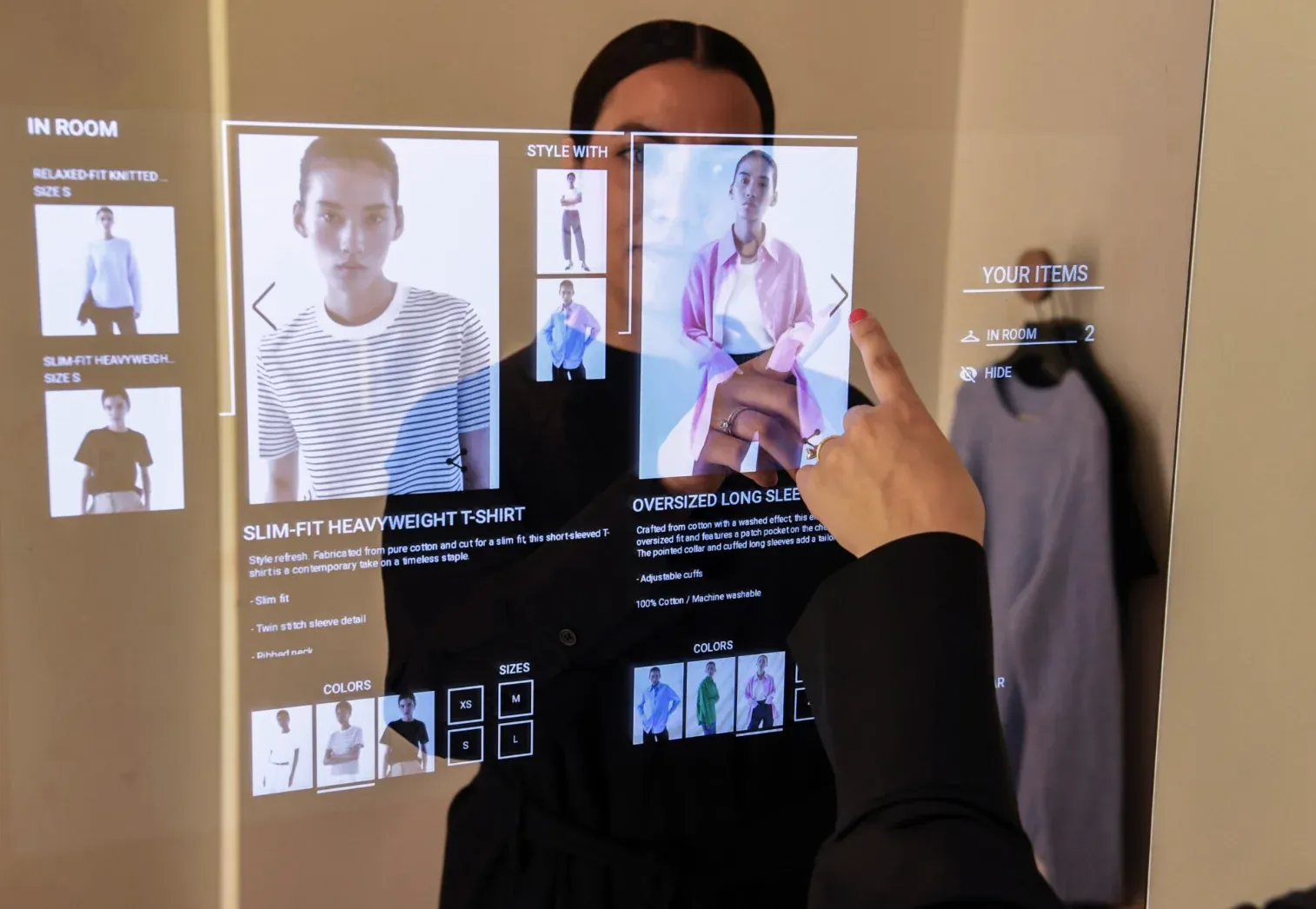
Virtual fitting room technology developed as a response to challenges in online shopping. Customers often struggle with sizing differences, uncertain fit, and the inability to physically try products before making a decision. Retailers also face high product return rates due to incorrect sizing.
At its core, a virtual fitting room uses:
-
Augmented Reality (AR): Overlays digital clothing or accessories onto a live camera feed.
-
Artificial Intelligence (AI): Estimates body measurements and suggests suitable sizes.
-
3D Modeling: Creates realistic digital versions of products.
-
Computer Vision: Detects body shape and posture for accurate visualization.
Some systems require users to upload photos, while others use real-time camera input. Advanced platforms analyze posture, proportions, and movement to improve realism.
Virtual fitting rooms exist because traditional online retail lacks the tactile and visual experience of physical stores. By integrating AR and AI, brands aim to replicate part of that experience digitally.
Why Virtual Fitting Rooms Matter Today
Digital transformation in retail has accelerated due to increased mobile commerce and changing consumer behavior. Virtual fitting rooms are now considered a key component of eCommerce personalization and conversion rate optimization strategies.
Here is why they matter:
-
They reduce uncertainty about fit and size.
-
They help lower product return rates.
-
They improve customer confidence during online shopping.
-
They enhance user engagement on websites and apps.
-
They provide valuable data for online shopping analytics.
Who Is Affected
-
Consumers: Gain clearer expectations about fit and appearance.
-
Retailers: Benefit from improved size recommendations and analytics.
-
Apparel Manufacturers: Receive insights into body measurement trends.
-
Technology Providers: Expand AR and AI integration in commerce.
Key Problems Addressed
| Problem in Online Retail | How Virtual Fitting Rooms Help |
|---|---|
| Incorrect sizing | AI body measurement suggestions |
| High return rates | Improved fit visualization |
| Low customer confidence | Realistic 3D product visualization |
| Limited personalization | Data-driven recommendations |
By combining AI body measurement systems with predictive analytics, businesses can better align product sizing charts with real-world body shapes.
Recent Developments in Virtual Fitting Room Technology
In the past year, several technological trends have shaped the virtual fitting room ecosystem:
-
Improved Real-Time AR Rendering: Faster mobile processors allow smoother try-on experiences.
-
AI-Based Size Prediction Models: Machine learning models now analyze fewer inputs while maintaining accuracy.
-
Digital Twin Integration: Some platforms create a “digital twin” avatar representing the user’s body.
-
Cross-Platform Accessibility: Web-based AR reduces the need for app downloads.
-
Privacy-Focused Data Handling: Enhanced encryption and anonymization features have been introduced.
Another emerging trend is the use of generative AI to simulate fabric movement and lighting variations. This creates a more realistic appearance when users rotate or move in front of a camera.
Retail analytics platforms are also integrating virtual fitting room data with customer behavior insights. This allows companies to refine inventory planning and improve product descriptions.
Laws, Regulations, and Compliance Considerations
Virtual fitting rooms process biometric data, images, and behavioral insights. As a result, they are influenced by data protection and consumer privacy regulations in many regions.
Key regulatory considerations include:
-
Data Protection Rules: Platforms must clearly explain how body measurement data is stored and processed.
-
Consent Requirements: Users should provide explicit permission before image capture or biometric analysis.
-
Data Minimization Principles: Only essential information should be collected.
-
Secure Data Storage: Encryption and cybersecurity protocols are required.
-
Accessibility Standards: Digital platforms should meet accessibility guidelines for users with disabilities.
In some jurisdictions, biometric data falls under stricter compliance frameworks. Organizations implementing virtual fitting room technology must conduct data protection impact assessments and ensure transparent privacy policies.
Digital advertising policies also require clear communication. Claims about accuracy must be evidence-based and not misleading. Responsible messaging is critical for maintaining trust.
Tools and Resources for Virtual Fitting Room Implementation
A variety of tools and resources support the development and use of virtual fitting rooms.
Augmented Reality SDKs
-
AR development kits for mobile integration
-
WebAR platforms for browser-based try-on
3D Product Visualization Software
-
Tools for creating high-quality digital garments
-
Simulation engines for realistic fabric rendering
AI Body Measurement Applications
-
Mobile-based scanning tools
-
Machine learning size recommendation systems
eCommerce Analytics Platforms
-
Customer behavior tracking dashboards
-
Conversion rate analysis tools
-
Return rate monitoring systems
Educational Resources
-
Digital transformation case studies
-
Retail technology whitepapers
-
Compliance checklists for data privacy
These resources help businesses align technology adoption with operational goals and regulatory standards.
How Virtual Fitting Rooms Work: A Simplified Flow
Below is a simplified representation of the process:
-
User activates camera or uploads an image.
-
Computer vision identifies body landmarks.
-
AI estimates measurements.
-
3D garment model overlays onto body.
-
User adjusts view or tries different sizes.
This structured workflow ensures consistency while maintaining privacy safeguards.
Frequently Asked Questions
What is a virtual fitting room?
A virtual fitting room is a digital tool that uses augmented reality and artificial intelligence to simulate how clothing or accessories may look on a person without physical try-on.
Is biometric data always required?
Not always. Some systems use general size selection and visual overlay without storing precise body measurements. Others use more advanced AI body measurement features.
How accurate are virtual fitting rooms?
Accuracy varies by platform. Advanced systems use machine learning and 3D body mapping to improve predictions. However, results may differ based on lighting, posture, and camera quality.
Do virtual fitting rooms store personal images?
Reputable platforms typically outline their data practices in privacy policies. Many systems anonymize or temporarily process images instead of storing them long term.
Can virtual fitting rooms reduce product returns?
Research and industry reports suggest that improved size recommendations can lower return rates, although outcomes depend on implementation quality and user engagement.
Practical Advice for Users and Businesses
For individuals:
-
Use consistent lighting when using camera-based try-on tools.
-
Follow instructions for accurate body alignment.
-
Review privacy policies before uploading images.
For businesses:
-
Conduct compliance assessments before deploying AR systems.
-
Validate AI models using diverse body datasets.
-
Monitor analytics to measure performance impact.
-
Provide transparent communication about accuracy limitations.
Clear user education enhances trust and encourages responsible adoption.
Conclusion
Virtual fitting room technology represents a significant step in the digital transformation of retail. By combining augmented reality, artificial intelligence, and 3D product visualization, it addresses long-standing challenges in online shopping such as size uncertainty and product returns.
Its relevance continues to grow as mobile commerce expands and personalization becomes central to customer experience. However, responsible implementation requires careful attention to data protection rules, transparency, and accessibility standards.