Explore Vibratory Rollers: Guide, Basics, and Key Insights
Vibratory rollers are specialized construction machines designed to compact soil, gravel, asphalt, and other materials used in infrastructure development. They play a crucial role in road construction, foundation preparation, airport runways, and large industrial platforms.
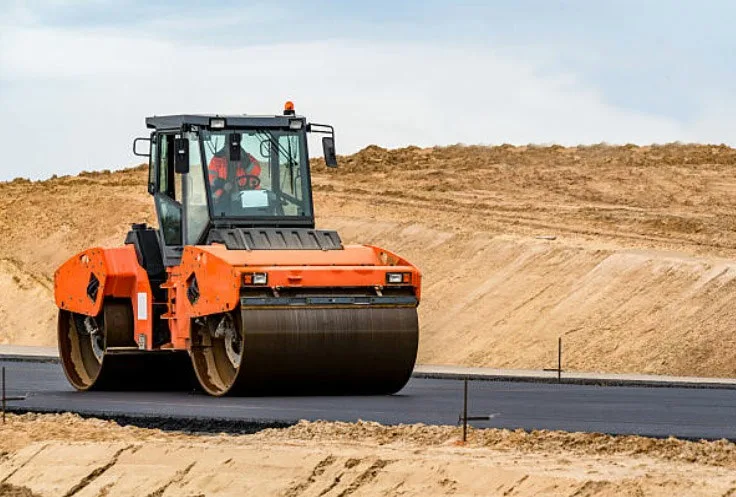
Unlike static rollers that rely only on weight, vibratory rollers use a vibrating drum mechanism. This vibration increases the compaction force applied to the ground, improving density and stability. The combination of weight and vibration helps reduce air gaps in the material, creating a stronger and more durable surface.
The main components of a vibratory roller include:
-
A steel drum (single or double)
-
An internal eccentric weight system that produces vibration
-
Hydraulic controls
-
Operator cabin with monitoring systems
There are two common types:
-
Single drum vibratory rollers, mainly used for soil compaction
-
Double drum vibratory rollers, commonly used for asphalt compaction
Manufacturers such as Caterpillar Inc., Volvo Construction Equipment, and Sany Group develop advanced models equipped with digital monitoring systems and compaction analytics.
The primary goal of vibratory rollers is to achieve uniform density across construction layers, ensuring structural integrity and long-term performance.
Why Vibratory Rollers Matter in Modern Infrastructure
Vibratory rollers are essential in civil engineering and infrastructure projects because compaction directly affects the durability of roads, highways, rail corridors, and building foundations.
Poor compaction can lead to:
-
Surface cracking
-
Uneven settlement
-
Water infiltration
-
Reduced load-bearing capacity
By improving material density, vibratory rollers help extend the lifespan of infrastructure assets. This is particularly important in regions experiencing rapid urban expansion, highway development, and smart city initiatives.
These machines affect multiple sectors:
-
Transportation engineering
-
Urban development authorities
-
Mining and industrial construction
-
Airport and port infrastructure
Compaction technology also supports environmental efficiency. Properly compacted surfaces reduce maintenance frequency, conserve raw materials, and enhance pavement lifecycle performance.
In the context of high CPC industries like heavy equipment, civil engineering technology, and infrastructure machinery, vibratory rollers remain a core component of construction equipment planning and fleet optimization strategies.
Recent Developments in Compaction Technology
In the past year, the construction equipment sector has seen notable advancements in vibratory roller technology.
Manufacturers have introduced intelligent compaction systems that use sensors and GPS integration to measure material stiffness in real time. These systems allow operators to track compaction progress and avoid over-compaction or under-compaction.
Recent innovations include:
-
Telematics-enabled monitoring platforms
-
Automated vibration control
-
Hybrid and fuel-efficient engine systems
-
Enhanced operator safety cabins
Several leading equipment brands have expanded digital fleet management capabilities, allowing project managers to analyze machine data remotely. Smart dashboards now display:
-
Pass counts
-
Compaction frequency
-
Surface temperature for asphalt
-
Equipment diagnostics
These updates align with broader trends in construction automation and sustainable infrastructure development.
A simplified comparison of traditional and modern vibratory rollers is shown below:
| Feature | Traditional Models | Modern Intelligent Models |
|---|---|---|
| Vibration Control | Manual | Automated Adjustment |
| Compaction Feedback | Visual Estimate | Sensor-Based Measurement |
| Data Tracking | Limited | Cloud-Based Telematics |
| Fuel Efficiency Monitoring | Basic | Advanced Analytics |
| Safety Monitoring | Standard Alerts | Integrated Systems |
These technological improvements enhance precision, safety, and productivity in large-scale infrastructure projects.
Regulatory and Policy Considerations
Vibratory rollers operate within established construction safety and environmental regulations. Government agencies set standards related to:
-
Noise emission levels
-
Engine emission norms
-
Operator certification requirements
-
Workplace safety compliance
Environmental policies increasingly focus on reducing diesel emissions and encouraging fuel-efficient machinery. Many regulatory bodies require compliance with updated emission standards for heavy construction equipment.
Occupational safety frameworks also mandate:
-
Protective cabins with rollover protection
-
Emergency stop systems
-
Regular inspection and maintenance schedules
-
Operator training certification
Infrastructure development programs funded by public agencies often require documentation of equipment compliance and safety audits. Contractors must ensure machines meet applicable heavy equipment safety standards before deployment on government-funded projects.
These regulations aim to protect workers, minimize environmental impact, and ensure long-term infrastructure quality.
Tools and Resources for Vibratory Roller Operations
A variety of digital and technical resources support effective use of vibratory rollers.
Helpful tools include:
-
Compaction control software integrated into machine dashboards
-
GPS-based site mapping systems
-
Engineering density calculators
-
Fleet management telematics platforms
-
Equipment maintenance tracking systems
Some manufacturers provide digital portals that offer operator manuals, safety guidelines, and technical documentation. Industry associations and civil engineering institutions also publish best practice guides for soil compaction and pavement engineering.
Commonly used resource categories:
-
Construction equipment telematics platforms
-
Soil density calculation spreadsheets
-
Pavement design reference manuals
-
Equipment safety compliance checklists
For academic and technical reference, organizations such as American Society of Civil Engineers publish research on compaction standards and pavement design methodologies.
A simplified overview of compaction workflow tools is shown below:
| Stage of Work | Tool or Resource Type |
|---|---|
| Site Assessment | Soil Testing Reports |
| Equipment Setup | Vibration Frequency Configuration |
| Compaction Monitoring | Sensor-Based Measurement Systems |
| Data Reporting | Telematics Dashboard |
| Compliance Check | Safety & Emission Documentation |
These tools help ensure consistent compaction quality and regulatory compliance.
Frequently Asked Questions
What is the difference between static and vibratory rollers?
Static rollers rely only on machine weight to compress materials. Vibratory rollers use an internal vibration mechanism to increase compaction force, resulting in deeper and more efficient material densification.
Where are vibratory rollers commonly used?
They are widely used in road construction, highway maintenance, airport runways, foundation preparation, parking areas, and large-scale infrastructure projects requiring soil or asphalt compaction.
How does vibration improve compaction?
The vibrating drum generates rapid vertical movements that reduce friction between soil particles. This allows particles to rearrange into a denser structure, improving stability and load-bearing capacity.
Are vibratory rollers suitable for all soil types?
They are most effective on granular soils such as sand and gravel. Cohesive soils like clay may require different compaction methods or adjusted vibration settings.
What safety measures are required when operating a vibratory roller?
Operators must follow heavy equipment safety standards, including certified training, protective cabin use, regular machine inspection, and compliance with emission and noise regulations.
Conclusion
Vibratory rollers are essential construction machines that support modern infrastructure development. By combining weight and vibration, they achieve high levels of soil and asphalt compaction, improving durability and structural performance.
Advancements in intelligent compaction systems, telematics integration, and emission compliance reflect the evolving nature of construction equipment technology. Regulatory frameworks ensure that these machines operate safely and responsibly within environmental guidelines.
Understanding vibratory rollers—from their working principles to compliance requirements—helps project planners, civil engineers, and infrastructure managers make informed decisions in large-scale development projects.
As infrastructure demands continue to grow, vibratory rollers remain a foundational element in civil engineering machinery and road construction technology, contributing to stronger and more resilient built environments.