Explore Townhouse Living Experience: Guide, Tips & Key Insights
Townhouse living has become an increasingly discussed topic in urban real estate, residential property planning, and community housing development. As cities grow and housing patterns evolve, many individuals and families are exploring alternatives to detached houses and high-rise apartments. A townhouse offers a middle-ground housing model that combines aspects of both.
This guide explains what townhouse living means, why it matters today, how regulations influence it, and what tools can help individuals understand this residential property option more clearly.
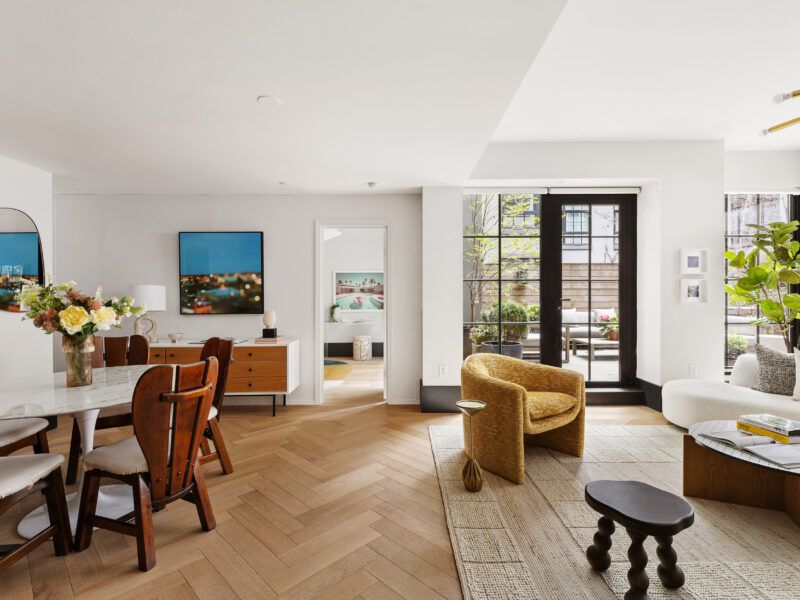
Understanding the Townhouse Living Experience
A townhouse is a multi-level residential property that shares one or two walls with adjacent homes. Unlike apartments, each townhouse typically has its own private entrance. Unlike detached homes, it is part of a continuous row of similar structures.
This housing model exists because urban land is limited and population density continues to increase. Townhouses help optimize land use while maintaining a sense of privacy and ownership. They are common in both established city neighborhoods and newly developed suburban communities.
Key characteristics often include:
-
Two or three floors
-
Shared side walls
-
Small private outdoor areas such as patios or terraces
-
Individual entrances
-
Homeowners’ associations (HOAs) or community management structures
Townhouse living blends private space with shared infrastructure, creating a balance between independence and community interaction.
Why Townhouse Living Matters Today
Townhouses are becoming more relevant as cities focus on sustainable urban planning and efficient land utilization. With limited space in growing metropolitan areas, vertical expansion through high-rise buildings is one approach. Townhouses offer another option that preserves neighborhood scale while increasing housing density.
This topic affects:
-
Young professionals seeking proximity to business districts
-
Families looking for manageable property maintenance
-
Urban planners focused on smart growth strategies
-
Real estate investors studying residential property trends
Townhouses address several modern housing challenges:
-
Reduced land consumption compared to detached homes
-
More privacy than apartment complexes
-
Shared maintenance responsibilities through community governance
-
Energy efficiency due to shared walls reducing heat loss
From an urban development perspective, townhouse communities can support walkable neighborhoods, public transport accessibility, and mixed-use zoning plans. They also encourage community interaction without eliminating personal space.
As sustainability and climate-conscious architecture become more important, townhouse designs often incorporate green building standards, rooftop gardens, and energy-efficient construction materials.
Recent Updates and Emerging Trends
Over the past year, several trends have influenced townhouse developments globally:
Growth in Smart Home Integration
New townhouse projects increasingly include smart security systems, energy monitoring devices, and remote-controlled climate systems. These technologies enhance safety and energy efficiency.
Energy-Efficient Construction
Developers are prioritizing insulation upgrades, solar panel integration, and water-saving systems. Shared walls naturally improve thermal performance, making townhouses attractive in sustainable housing discussions.
Mixed-Use Community Planning
Urban planners are integrating townhouses into mixed-use developments that include retail, schools, and green spaces within walking distance. This reduces reliance on long commutes.
Flexible Interior Layouts
Modern townhouses now include adaptable spaces for remote work, reflecting the shift toward hybrid and work-from-home models.
Community-Centered Design
There is increased attention to shared courtyards, pedestrian pathways, and landscaped common areas to foster neighborhood engagement.
These changes highlight how townhouse living is evolving alongside broader shifts in technology, urban planning, and environmental awareness.
Laws and Policy Considerations
Townhouse living is shaped by multiple layers of regulation. While policies vary across regions, several common legal frameworks influence how townhouse communities operate.
Zoning Regulations
Local governments determine where townhouse developments can be built. Zoning laws classify land use types and density limits.
Building Codes
Construction standards ensure safety, structural integrity, fire separation between units, and energy performance requirements.
Homeowners’ Association (HOA) Rules
Many townhouse communities operate under HOA governance. These associations create guidelines for exterior modifications, shared spaces, and community responsibilities.
Property and Land Registration
Ownership structures may differ. Some townhouses include full land ownership beneath the unit, while others involve shared land arrangements.
Environmental Compliance Policies
New developments must often meet environmental review requirements, including drainage systems, green space ratios, and infrastructure impact assessments.
Understanding these frameworks is important because townhouse living involves both individual property rights and collective community responsibilities. Prospective residents should review governing documents carefully to understand maintenance obligations and shared space rules.
Tools and Resources for Understanding Townhouse Living
Several digital platforms and planning tools can help individuals explore townhouse living more effectively.
-
Zillow – A widely used real estate marketplace providing neighborhood insights and property comparisons.
-
Realtor.com – Offers housing market data, trend reports, and educational guides on residential property.
-
Redfin – Provides mapping tools, home value trends, and local area statistics.
-
Walk Score – Evaluates neighborhood walkability and public transport accessibility.
-
Energy.gov Home Energy Saver – A calculator that estimates household energy usage.
-
HOA-USA – Provides educational resources about homeowners’ association governance.
In addition, local government planning websites often publish zoning maps, land-use documents, and public development proposals that offer insight into future neighborhood growth.
Helpful resources include:
-
Mortgage affordability calculators
-
Property tax estimators
-
Community bylaws templates
-
Urban planning policy portals
-
Environmental impact assessment reports
Using these tools can support informed decision-making and realistic expectations regarding townhouse living.
Comparing Housing Types
Below is a simplified comparison of common residential property models:
| Feature | Townhouse | Apartment | Detached House |
|---|---|---|---|
| Shared Walls | Yes | Yes | No |
| Private Entrance | Usually | Sometimes | Yes |
| Outdoor Space | Limited | Rare | Often Larger |
| Maintenance Responsibility | Shared + Individual | Mostly Shared | Mostly Individual |
| Land Use Efficiency | Moderate | High | Lower |
This comparison highlights how townhouses balance privacy and shared infrastructure.
Frequently Asked Questions
What is the main difference between a townhouse and an apartment?
A townhouse usually includes multiple floors and a private entrance, with ownership extending to the unit itself. Apartments are typically single-level units within larger buildings and often share common hallways and amenities.
Do townhouses always have homeowners’ associations?
Not always, but many townhouse communities operate under HOA governance. These associations manage shared areas and enforce community rules.
Is townhouse living suitable for families?
Townhouses can suit families due to multi-level layouts and manageable outdoor space. However, space requirements vary by household size and design.
Are townhouses considered urban or suburban housing?
They can exist in both environments. In cities, townhouses increase density without high-rise construction. In suburban areas, they provide compact community-based housing.
How does maintenance work in townhouse communities?
Interior maintenance is usually the responsibility of the homeowner, while exterior elements and shared spaces are often managed collectively through community governance structures.
Practical Tips for Evaluating Townhouse Living
When assessing whether townhouse living aligns with your lifestyle:
-
Review community bylaws carefully
-
Evaluate parking availability
-
Check public transport accessibility
-
Understand shared maintenance obligations
-
Examine sound insulation between units
-
Assess natural light exposure
-
Explore nearby schools and green spaces
Pay attention to long-term urban planning documents to understand potential future developments in the surrounding area.
Conclusion
Townhouse living represents a hybrid housing model that bridges the gap between apartments and detached homes. It exists to address the realities of urban expansion, land constraints, and evolving lifestyle preferences.
Today, townhouses play an important role in sustainable urban planning, community-centered development, and efficient land use. Regulatory frameworks, zoning policies, and homeowners’ association structures influence how these communities function. Meanwhile, digital tools and real estate data platforms help individuals understand market trends and neighborhood characteristics.