Explore Thermal Transfer Printers: Basics, Explanation, and Key Facts
Thermal transfer printers are specialized printing devices designed to produce long-lasting text, barcodes, and images on labels and other media. They use controlled heat to transfer ink from a coated ribbon onto a surface, creating prints that resist fading, smudging, and environmental exposure. This printing method exists to meet the need for durable identification, tracking, and information display where ordinary printing methods may not perform reliably.
Thermal transfer printing developed as organizations needed dependable labeling for logistics, manufacturing, healthcare, and retail. Environments involving heat, moisture, chemicals, or friction require print quality that remains readable over time. Thermal transfer printers address these conditions by bonding ink to the media surface, ensuring clarity and stability across a wide range of applications.
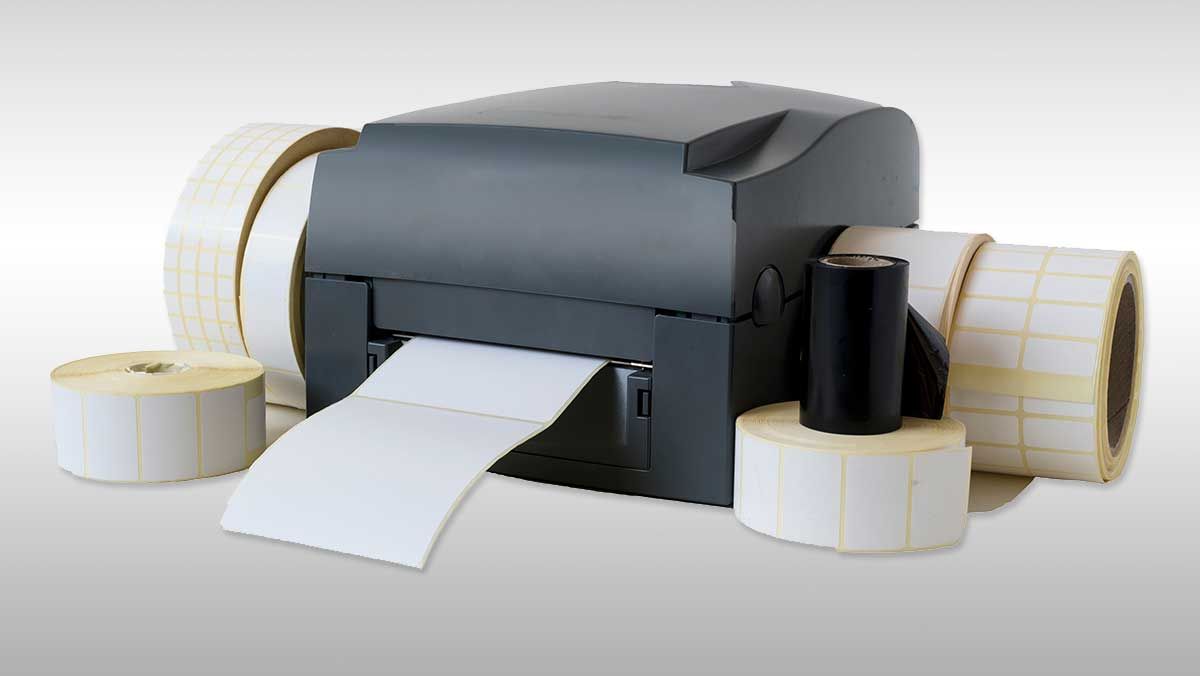
Why Thermal Transfer Printers Matter Today
Thermal transfer printers play an important role in modern information handling and product identification. They affect businesses, institutions, and individuals who depend on accurate labeling and traceability.
Key reasons this technology matters include:
-
Durability of output
Prints withstand handling, abrasion, and environmental stress, which is essential for barcode printing technology and compliance labeling. -
Accuracy and consistency
Thermal transfer printers deliver sharp lines and uniform text, improving scanning reliability and data accuracy. -
Versatility across industries
They are used for asset tracking, laboratory labeling, shipping identification, and inventory management systems. -
Operational efficiency
Reliable printing reduces reprints and errors, supporting smooth workflows in fast-paced environments.
By solving problems related to fading ink, unclear barcodes, and inconsistent labeling, thermal transfer printers support dependable information exchange across supply chains and data systems.
Recent Developments and Ongoing Trends
In recent months, thermal transfer printing technology has continued to evolve to match changing operational needs. Manufacturers and system designers have focused on improving efficiency, connectivity, and sustainability.
Notable trends include:
-
Enhanced ribbon formulations
New ribbon coatings improve adhesion and resistance on synthetic label materials used in industrial labeling solutions. -
Improved connectivity options
Integration with wireless networks and cloud-based systems supports remote monitoring and centralized printer management. -
Energy-efficient print heads
Advances in thermal control help reduce power usage while maintaining print precision. -
Compatibility with advanced materials
Modern printers support a wider range of label substrates, including heat-resistant and chemical-resistant media.
These updates reflect a broader shift toward automation, data accuracy, and resource optimization in printing workflows.
Regulations, Standards, and Policy Influence
Thermal transfer printers are influenced by general regulatory frameworks and industry standards rather than direct legislation targeting the devices themselves. Rules related to labeling accuracy, traceability, and safety indirectly shape how this technology is used.
Common regulatory considerations include:
-
Product identification standards
Guidelines for barcode readability and label permanence affect printer configuration and media selection. -
Workplace safety norms
Clear labeling of equipment, materials, and storage areas supports compliance with occupational safety requirements. -
Environmental and waste management principles
Policies encouraging reduced waste and efficient resource use influence ribbon design and media utilization practices.
By aligning with recognized standards, thermal transfer printers support compliance and consistency across regulated environments without relying on region-specific legal references.
Helpful Tools and Learning Resources
A range of tools and resources can support understanding and effective use of thermal transfer printers.
Useful resources include:
-
Label design software
Applications that help create layouts optimized for thermal transfer printer labels and barcode clarity. -
Print quality testing guides
Reference materials for evaluating contrast, edge definition, and durability. -
Maintenance checklists
Templates that outline routine cleaning and inspection steps for print heads and rollers. -
Online knowledge bases
Educational platforms explaining thermal transfer printing basics, ribbon types, and media compatibility. -
Industry white papers
Documents analyzing trends in industrial printing technology and data labeling practices.
These resources help users maintain consistent output and deepen technical knowledge without promotional intent.
How Thermal Transfer Printing Works
Thermal transfer printing relies on a simple yet precise process. Heat from the print head melts ink from a ribbon, transferring it onto the label surface.
Core components involved:
-
Print head that applies controlled heat
-
Ink ribbon coated with wax, resin, or a blend
-
Label media that receives the transferred ink
Simplified process flow:
| Step | Action | Result |
|---|---|---|
| Heat application | Print head heats specific points | Ink softens |
| Ink transfer | Ribbon contacts media | Ink bonds to surface |
| Cooling | Ink solidifies | Durable print formed |
This method produces stable, high-contrast images suitable for long-term use.
Comparison With Direct Thermal Printing
Understanding how thermal transfer compares with direct thermal printing clarifies its advantages.
| Feature | Thermal Transfer | Direct Thermal |
|---|---|---|
| Ribbon usage | Required | Not required |
| Print durability | High | Moderate |
| Environmental resistance | Strong | Limited |
| Typical applications | Industrial, logistics | Short-term labeling |
Thermal transfer printers are preferred when longevity and resistance are essential.
Frequently Asked Questions
What materials can thermal transfer printers print on?
They can print on paper labels, synthetic films, and specialty materials designed for durability and resistance.
How long do thermal transfer prints last?
Print longevity depends on ribbon type and media, but they are designed to remain readable for extended periods under proper conditions.
Are thermal transfer printers suitable for barcode printing technology?
Yes. They produce sharp, consistent barcodes that support reliable scanning and data capture.
What types of ribbons are used in thermal transfer printing?
Common ribbon types include wax, resin, and wax-resin blends, each suited to different durability requirements.
Does maintenance affect print quality?
Regular cleaning and proper handling help maintain consistent output and extend component life.
Conclusion
Thermal transfer printers provide a reliable solution for producing durable, high-quality labels and identifiers. By using heat to bond ink onto media surfaces, they support accurate tracking, compliance, and information clarity across many environments. Ongoing improvements in materials, efficiency, and system integration continue to strengthen their relevance. Understanding the basics, importance, and operational considerations of thermal transfer printers helps users appreciate their role in modern labeling and data management systems.