Explore Stair Lifts: Overview, Tips, and Helpful Information
Stair lifts are mechanical mobility devices designed to help individuals move safely between different levels of a building. They consist of a motorized chair or platform attached to a rail mounted along a staircase. By pressing a control button, the user can travel up or down the stairs while seated securely.
Stair lift systems were developed to address mobility challenges caused by aging, injury, disability, or chronic health conditions. For many households, stairs can become a daily barrier. Climbing them may require balance, strength, and coordination that not everyone can maintain over time.
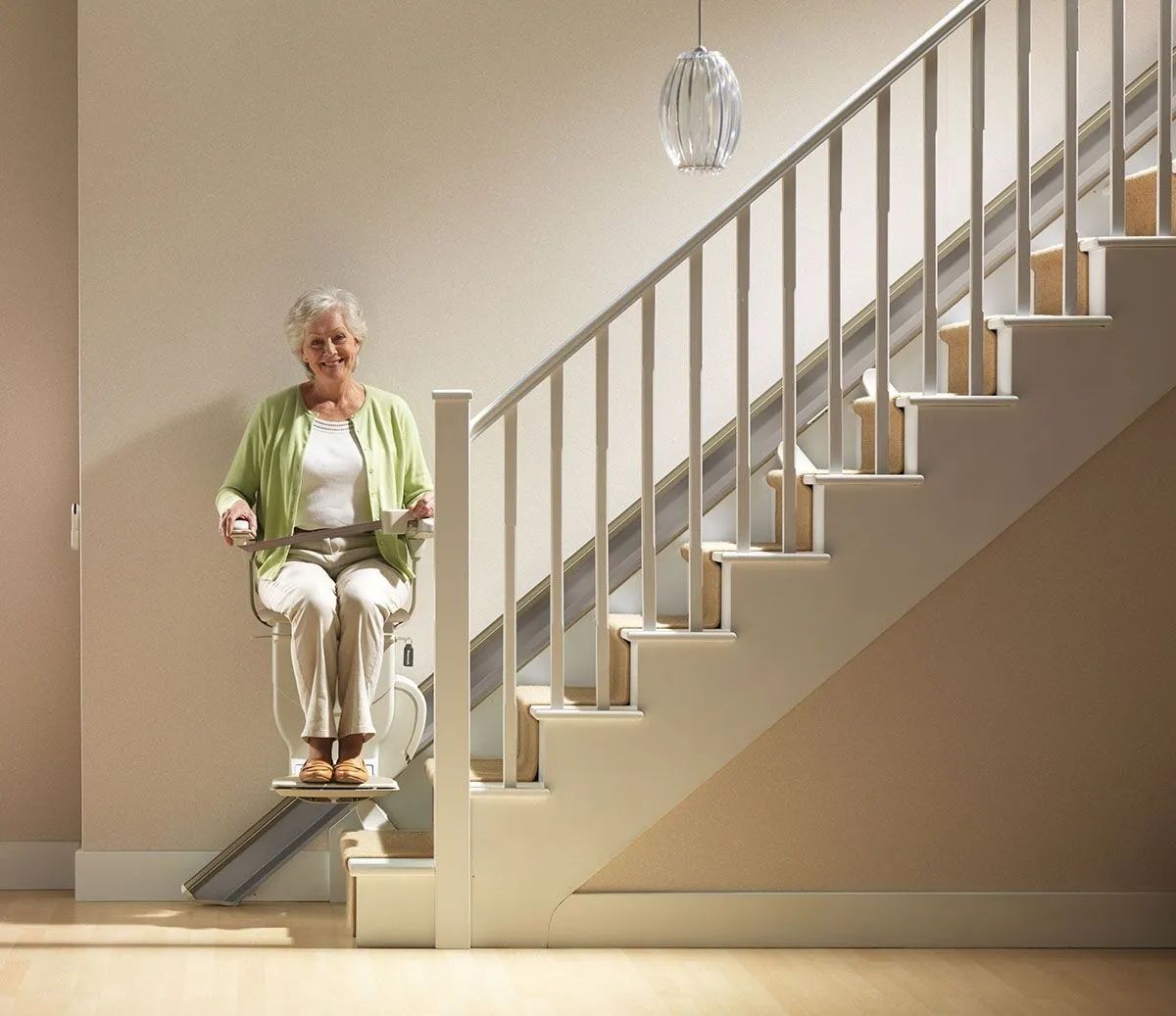
Modern stair lift systems are considered part of broader home accessibility solutions. These solutions aim to reduce fall risks, increase independence, and support aging in place strategies. Aging in place refers to the ability of individuals to remain in their own homes safely and comfortably as their mobility needs change.
There are several common types of stair lifts:
-
Straight stair lifts for standard staircases
-
Curved stair lifts for staircases with turns or landings
-
Outdoor stair lifts for exterior steps
-
Platform lifts designed for wheelchairs
Each model is designed to adapt to different home layouts and user requirements, making them a flexible assistive technology device for residential settings.
Importance: Why Stair Lifts Matter Today
Mobility limitations affect a large segment of the population, particularly older adults and people with temporary or permanent disabilities. As global populations age and healthcare advances extend life expectancy, maintaining independence has become a key focus of public health and housing planning.
Stair lift systems play an important role in:
-
Reducing fall-related injuries
-
Supporting independent living
-
Allowing multi-level homes to remain usable
-
Decreasing physical strain on caregivers
-
Improving daily accessibility within private residences
Falls on stairs are a common household risk. For individuals with reduced balance, arthritis, joint pain, or neurological conditions, climbing stairs can significantly increase injury risk. By offering seated and controlled movement, stair lifts provide a safer alternative to navigating steps on foot.
Stair lifts are also relevant for family caregivers. Assisting someone up and down stairs can lead to physical strain and increased injury risk for the caregiver. Mobility assistance equipment such as stair lifts can reduce this burden while preserving dignity and autonomy for users.
In urban areas where housing space is limited and multi-level homes are common, home accessibility solutions allow residents to adapt existing spaces instead of relocating. This aligns with broader accessibility compliance standards and inclusive design principles.
The growing emphasis on universal design and assistive technology devices has made stair lifts part of ongoing discussions about inclusive housing and independent living.
Recent Updates and Trends in Stair Lift Technology
Recent developments in stair lift technology have focused on safety, efficiency, and integration with smart home environments.
One noticeable trend has been the advancement of battery-powered systems. Many modern stair lifts operate on rechargeable batteries, allowing continued operation even during power interruptions. This feature has become increasingly important as households seek reliable mobility solutions.
Another development involves compact and foldable designs. Engineers have worked to reduce the footprint of stair lift chairs, allowing other household members to use the staircase comfortably when the lift is not in use.
Digital controls and improved safety sensors have also become more common. These features include:
-
Obstacle detection sensors
-
Smooth start-and-stop mechanisms
-
Swivel seats for easier transfers
-
Seat belts and safety interlocks
In recent months, some manufacturers have introduced enhanced remote controls and simplified user interfaces to improve accessibility for people with limited dexterity or vision challenges.
There is also increased attention to integrating stair lift systems into smart home ecosystems. Although integration varies by model, some systems now allow diagnostic monitoring or status indicators that support maintenance awareness.
Overall, recent updates reflect a broader trend in assistive technology devices: improved reliability, better safety engineering, and more user-friendly design.
Laws and Policies Related to Stair Lifts
Stair lift installation and usage are influenced by building regulations, accessibility guidelines, and safety standards in many regions.
Accessibility compliance standards are often guided by frameworks similar to the Americans with Disabilities Act, which sets accessibility principles in public spaces. While the Act primarily applies to public buildings and workplaces, it has influenced broader architectural design and accessibility awareness in residential construction as well.
Building codes in various regions may regulate:
-
Minimum staircase width
-
Electrical safety standards
-
Fire safety clearance requirements
-
Structural load considerations
Some governments also operate housing adaptation or disability assistance programs that help households modify their living environments for accessibility. These programs may support mobility-related home modifications under specific eligibility conditions.
In addition, electrical and mechanical safety standards ensure that stair lift systems meet engineering requirements for safe operation. Compliance with recognized safety certifications helps ensure durability and consistent performance.
It is important for homeowners to review local building regulations and safety standards before installing mobility assistance equipment to ensure alignment with applicable policies.
Tools and Resources for Stair Lift Planning
Planning for a stair lift involves measuring space, evaluating staircase type, and understanding user needs. Several tools and resources can help with this process.
Helpful resources include:
-
Staircase measurement guides available from accessibility organizations
-
Home accessibility assessment checklists
-
Assistive technology comparison charts
-
Government disability support portals
-
Building code reference documents
Below is a simplified comparison table of common stair lift types:
| Type of Stair Lift | Suitable Staircase Type | Key Feature |
|---|---|---|
| Straight Stair Lift | Straight staircase | Simple rail installation |
| Curved Stair Lift | Staircases with turns | Custom rail configuration |
| Outdoor Stair Lift | Exterior steps | Weather-resistant components |
| Platform Lift | Wheelchair users | Larger standing platform |
Another helpful planning tool is a home accessibility checklist:
-
Evaluate staircase width and length
-
Identify power outlet location
-
Assess user transfer ability
-
Consider foldability requirements
-
Review safety sensor features
These tools allow households to understand requirements before making structural changes. Many public health and disability advocacy organizations also publish informational guides explaining mobility assistance equipment and aging in place solutions.
Frequently Asked Questions
What is the main purpose of a stair lift system?
A stair lift system is designed to help individuals move safely between floors in a multi-level building. It reduces the need to climb stairs on foot and lowers fall risk.
Can stair lifts operate during power interruptions?
Many modern stair lifts use rechargeable battery systems. These batteries allow the lift to function for a limited number of trips even if household power is temporarily unavailable.
Are stair lifts suitable for narrow staircases?
Some compact models are specifically designed to fit narrow staircases. Foldable seats and rails help maintain walkway clearance when the device is not in use.
Do stair lifts require structural changes to the home?
Most stair lifts are mounted to the staircase rather than the wall. However, installation should align with building regulations and safety standards.
Are stair lifts considered assistive technology devices?
Yes. Stair lifts fall under the category of assistive technology devices because they support mobility and accessibility for individuals with physical limitations.
Conclusion
Stair lift systems are an important part of modern home accessibility solutions. They were developed to address mobility challenges and continue to evolve as part of broader aging in place strategies.
Their importance has grown alongside increasing awareness of fall prevention, inclusive housing, and assistive technology devices. With advancements in battery systems, safety sensors, and compact designs, stair lifts are becoming more adaptable and user-friendly.
Accessibility compliance standards and building regulations shape how stair lifts are installed and used. Understanding these policies helps ensure safe and responsible implementation.
By using planning tools, measurement guides, and reliable informational resources, households can better evaluate how stair lift systems fit within their long-term accessibility goals.