Explore Space-Saving Multifunction Furniture: Guide, Tips & Insights
Space-saving multifunction furniture refers to furniture pieces designed to perform more than one function while occupying minimal floor area. These items are commonly used in compact homes, studio apartments, dormitories, and urban living environments where efficient use of space is essential.
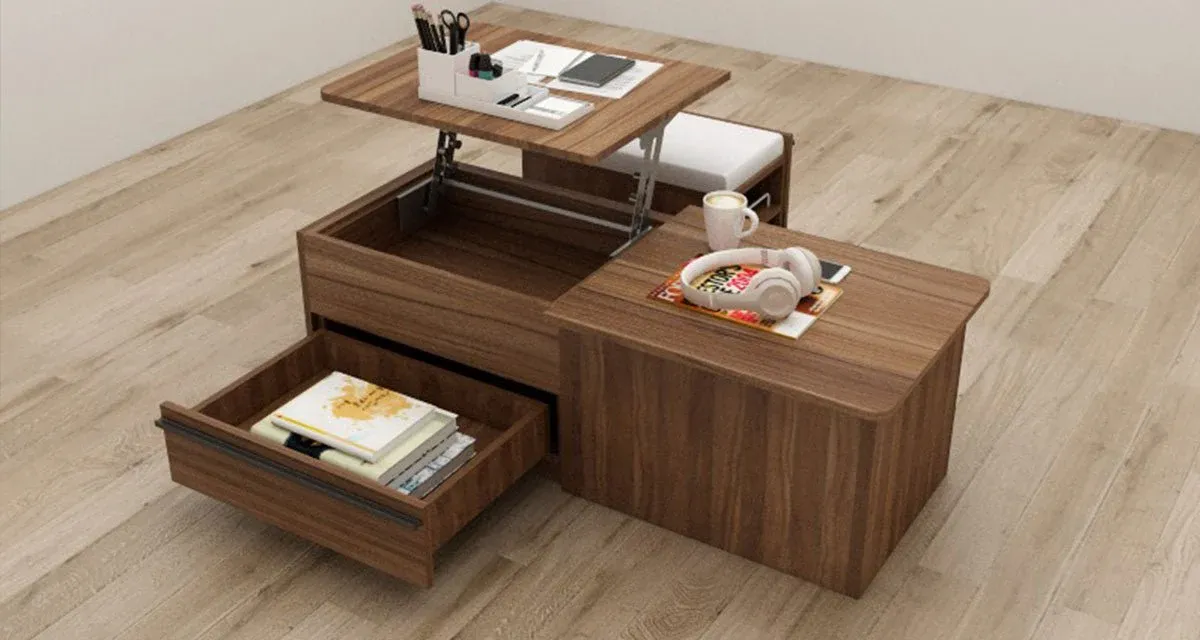
The concept exists because residential spaces in many cities have become smaller due to urban population growth and vertical housing development. Limited square footage encourages innovative design solutions that combine functionality and practicality. For example, a wall bed that folds into a cabinet during the day allows a bedroom to function as a workspace or living area. Similarly, expandable tables adjust in size depending on the number of users.
Multifunction furniture supports flexible layouts. Instead of dedicating separate rooms for sleeping, dining, and working, individuals can use adaptable furniture systems that transform a single room into multiple environments throughout the day. This approach aligns with compact living solutions and sustainable interior design principles.
Why Space Optimization Matters Today
The demand for space-saving furniture has increased as urban housing patterns shift. Smaller apartments, shared living spaces, and remote work arrangements have changed how people use their homes.
Key groups affected include:
-
Residents of small apartments and studio units
-
Students living in dormitories
-
Families in compact housing developments
-
Individuals working from home
-
People adopting minimalist lifestyles
Space-saving multifunction furniture addresses several modern challenges:
-
Limited square footage: Efficient storage reduces clutter and improves movement within small areas.
-
Work-from-home needs: Foldable desks and convertible tables allow quick transitions between work and relaxation.
-
Urban housing density: Modular furniture systems adapt to evolving living arrangements.
-
Sustainability concerns: Durable, multi-use pieces reduce the need for multiple separate items.
The following table shows how multifunction furniture compares to traditional furniture in compact spaces:
| Feature | Traditional Furniture | Multifunction Furniture |
|---|---|---|
| Floor Space Usage | Fixed footprint | Adjustable or foldable |
| Storage Options | Often separate units | Integrated storage |
| Room Flexibility | Limited | High adaptability |
| Suitability for Small Apartments | Moderate | High |
| Sustainability Potential | Depends on materials | Often optimized |
In smart home living environments, multifunction furniture complements energy-efficient lighting, modular layouts, and digital design tools. It plays a role in maximizing comfort without expanding physical space.
Recent Developments and Design Trends
Over the past year, interior design trends have highlighted flexibility and environmental awareness. Several updates stand out:
-
Increased interest in modular furniture systems that can be rearranged or expanded over time.
-
Greater use of sustainable furniture materials such as bamboo, recycled wood composites, and low-emission finishes.
-
Integration of built-in charging ports and cable management for remote work setups.
-
Growth in foldable home office desks designed for hybrid work environments.
Design professionals report that compact living solutions now emphasize not only space efficiency but also aesthetics. Clean lines, neutral tones, and concealed storage compartments are common features.
Digital interior planning tools have also become more accessible. Many homeowners use 3D visualization software to plan layouts before rearranging furniture. This reduces trial-and-error placement and improves overall design efficiency.
Another notable shift involves multi-zone living. Instead of fixed-purpose rooms, households increasingly create adaptable zones within one space. For example, a living room may transform into a workspace during the day and a relaxation area at night through movable partitions and fold-away desks.
Laws and Policy Considerations
Space-saving multifunction furniture is indirectly influenced by housing regulations and building codes. While furniture itself is not typically regulated in detail, certain policies shape its design and use.
Key regulatory areas include:
-
Building safety codes: Wall-mounted beds and foldable structures must comply with safety standards to prevent accidents.
-
Fire safety regulations: Materials used in furniture must meet fire resistance guidelines.
-
Environmental policies: Sustainable furniture materials may align with environmental standards aimed at reducing emissions and waste.
-
Housing development guidelines: Minimum room size regulations in residential construction influence demand for compact furniture solutions.
In some regions, urban housing programs encourage efficient use of interior space to address high population density. This indirectly increases the relevance of multifunction furniture in new developments.
Energy efficiency initiatives also support compact living principles. Smaller living spaces require less heating and cooling, and multifunction furniture enhances this efficiency by reducing clutter and maximizing usable area.
Tools and Resources for Planning
Designing with space-saving furniture becomes easier with digital tools and practical resources. The following options can assist with layout planning and optimization:
-
Room layout planners: 3D room design applications help visualize how foldable desks or modular sofas fit into small apartment design.
-
Augmented reality apps: These allow users to preview furniture placement within real spaces using a mobile device.
-
Storage calculators: Online tools estimate storage capacity needs based on household size and lifestyle.
-
Interior design templates: Printable or digital floor plan templates help map room dimensions accurately.
-
Sustainability databases: Platforms that provide information about certified sustainable materials.
Example of a simple space allocation model:
| Room Type | Recommended Multifunction Elements |
|---|---|
| Studio Apartment | Wall bed, foldable desk, modular shelving |
| Small Bedroom | Storage bed frame, vertical wardrobe |
| Living Room | Convertible sofa, nesting tables |
| Home Office Corner | Compact desk with hidden storage |
Using these tools supports informed decisions and helps balance aesthetics with functionality. Accurate measurements are essential before selecting any modular furniture system.
Frequently Asked Questions
What is the main advantage of multifunction furniture?
The primary advantage is efficient use of limited space. Multifunction pieces combine two or more uses, reducing the need for additional items and minimizing clutter.
Is space-saving furniture durable?
Durability depends on material quality and construction. Many modern designs use reinforced hinges, strong frames, and sustainable materials to ensure long-term reliability.
Can multifunction furniture support remote work setups?
Yes. Foldable desks, storage-integrated tables, and modular shelving units help create temporary or permanent work zones within compact homes.
Does modular furniture work for families?
Modular systems are adaptable and can evolve with changing household needs. Adjustable shelving and expandable tables accommodate growth and shifting layouts.
Are there environmental benefits?
Using multifunction furniture can reduce resource consumption by limiting the number of separate items needed. Sustainable materials further enhance environmental performance.
Practical Insights for Small Apartment Design
When integrating space-saving furniture into a home, several practical principles apply:
-
Measure room dimensions carefully.
-
Consider ceiling height for vertical storage solutions.
-
Prioritize pieces with hidden compartments.
-
Ensure foldable elements are easy to operate.
-
Maintain clear walking paths for safety.
A balanced design avoids overcrowding. Even multifunction furniture should not overwhelm the room. Natural lighting, neutral color palettes, and reflective surfaces can make compact spaces appear larger.
Flexibility remains central. As lifestyles evolve, furniture that adapts helps maintain functionality without major structural changes.
Conclusion
Space-saving multifunction furniture represents a practical response to compact urban living and evolving interior design needs. By combining flexibility, efficiency, and thoughtful engineering, these furniture solutions support small apartment design and smart home living environments.
The topic remains relevant as housing patterns continue to shift toward smaller units and adaptable spaces. Advances in modular furniture systems, sustainable materials, and digital planning tools strengthen the role of multifunction furniture in modern homes.