Explore Smart Lighting Controls: Guide, Tips, and Helpful Knowledge
Smart lighting controls refer to systems that allow lighting to be adjusted automatically or remotely using digital technologies. Instead of relying only on traditional wall switches, these systems use sensors, connected devices, and software to regulate lighting levels, schedules, and energy use.
The concept developed alongside advances in building automation and connected technology. As homes, offices, and public spaces adopted digital infrastructure, lighting systems also evolved to become more responsive and efficient. Smart lighting controls can include motion sensors, daylight sensors, timers, wireless switches, and mobile-based control interfaces.
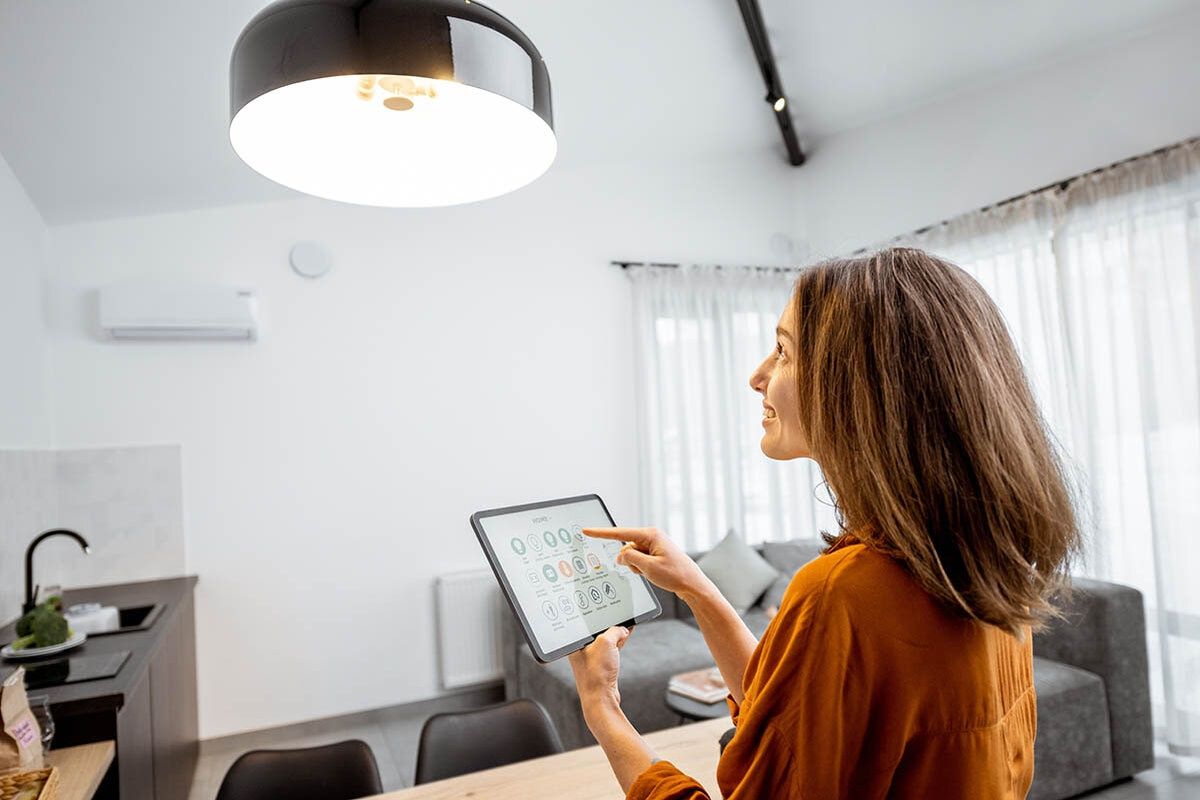
At their core, these systems are designed to improve how lighting behaves in a space. For example, lights can automatically dim when natural daylight is available or turn off when a room is unoccupied. In larger buildings, centralized platforms can manage hundreds of lighting fixtures simultaneously.
Smart lighting controls often rely on communication protocols such as wireless networks, automation platforms, or Internet-based systems. These technologies allow users or facility managers to monitor lighting performance, adjust brightness, and create schedules.
The growing interest in connected infrastructure has made smart lighting a common topic within discussions of smart homes, smart buildings, and energy management systems.
| Lighting Control Type | Primary Function | Typical Use Case |
|---|---|---|
| Motion Sensors | Detect occupancy and activate lighting | Hallways, offices |
| Daylight Sensors | Adjust brightness based on natural light | Commercial buildings |
| Timer Controls | Schedule lighting operation | Outdoor lighting |
| Mobile App Controls | Remote access and monitoring | Residential systems |
| Centralized Systems | Manage multiple zones or buildings | Large facilities |
These technologies represent a shift from static lighting systems toward adaptive lighting environments.
Why Smart Lighting Controls Matter Today
Lighting represents a significant portion of electricity consumption in many buildings. As energy efficiency becomes an important global objective, smarter lighting systems play an important role in reducing unnecessary energy use.
Smart lighting controls help address several practical challenges:
-
Managing energy consumption in residential and commercial buildings
-
Improving lighting comfort and visibility in workspaces
-
Supporting sustainability and energy efficiency goals
-
Enhancing safety through automated lighting responses
Buildings that rely only on manual switches often leave lights running longer than necessary. Smart lighting controls reduce this inefficiency by adjusting lighting automatically based on environmental conditions or occupancy.
Another important aspect is user experience. Adjustable lighting levels allow spaces to adapt to different activities. For instance, brighter lighting may be used during detailed work, while softer lighting may be appropriate for relaxation or presentations.
Smart lighting systems also contribute to broader digital infrastructure initiatives such as connected buildings and urban technology ecosystems. In these environments, lighting systems can interact with other technologies like climate control, security monitoring, and energy management platforms.
The topic is especially relevant for:
-
Facility managers
-
Building designers and architects
-
Technology researchers
-
Home automation enthusiasts
-
Energy policy analysts
In many discussions about sustainable infrastructure, lighting control technologies are considered an accessible step toward improved energy efficiency.
A simplified comparison of traditional and smart lighting approaches illustrates the difference.
| Feature | Traditional Lighting | Smart Lighting Controls |
|---|---|---|
| Operation | Manual switch | Automated or remote |
| Energy efficiency | Limited | Optimized through sensors |
| Scheduling | Not available | Automated schedules |
| Monitoring | None | Digital monitoring |
| Integration | Standalone | Integrated with smart systems |
These capabilities help explain why interest in smart lighting continues to expand across different industries.
Recent Developments and Technology Trends
During the past year, several developments have influenced the evolution of smart lighting control systems. Advances in connected devices, wireless standards, and automation platforms have improved system interoperability and performance.
One notable trend involves the growth of Matter-compatible smart home devices, which began expanding rapidly after the standard’s broader rollout. This technology aims to make connected devices from different manufacturers communicate more easily within the same ecosystem.
Another development has been the integration of artificial intelligence and predictive automation in building management systems. AI-enabled lighting platforms can analyze usage patterns and adjust lighting schedules automatically based on historical occupancy data.
Research publications released during the past year have also highlighted improved energy-efficiency outcomes in buildings using sensor-based lighting systems. Some studies indicate measurable reductions in lighting energy consumption when daylight harvesting and occupancy detection are implemented together.
In addition, the expansion of Internet-connected infrastructure in public spaces has led to pilot programs where street lighting systems integrate with urban data networks. These projects explore how lighting infrastructure can support environmental monitoring, traffic analysis, and public safety technologies.
Wireless lighting protocols have also continued to evolve. Improvements in low-power communication technologies enable devices such as sensors and switches to operate for long periods with minimal maintenance.
Common technology trends in smart lighting controls include:
-
Integration with voice and mobile automation platforms
-
Improved wireless connectivity and device interoperability
-
Increased use of sensor-based adaptive lighting
-
Expansion of cloud-based monitoring systems
-
Data-driven energy optimization in buildings
These developments demonstrate how lighting technology continues to evolve alongside broader advancements in digital infrastructure.
Regulations and Policy Influence
Lighting systems are often influenced by building efficiency guidelines and environmental policies that encourage reduced energy consumption. Many building standards include requirements or recommendations for lighting control strategies.
These regulations typically address aspects such as:
-
Maximum allowable lighting power density
-
Use of occupancy sensors in certain building types
-
Automatic shut-off systems for lighting
-
Daylight-responsive controls near windows
Energy efficiency frameworks often include lighting control technologies as part of broader building performance strategies. For example, green building certification programs frequently recognize sensor-based lighting systems as a way to reduce electricity demand.
Building codes may also encourage the use of automated lighting shut-off features in commercial buildings. These provisions are designed to ensure that lighting systems do not remain active when spaces are unoccupied.
Government energy programs and research initiatives sometimes support pilot projects exploring advanced lighting control technologies in public infrastructure and large facilities.
In the context of sustainable architecture and environmental planning, smart lighting controls are frequently referenced as a practical method for improving building energy performance without major structural modifications.
Tools and Resources for Learning About Smart Lighting Controls
Many digital tools and educational resources are available for individuals interested in understanding or researching smart lighting systems.
These resources can help with planning, simulation, and knowledge development.
Common types of resources include
-
Lighting design software used to simulate brightness levels and layout efficiency
-
Energy modeling tools that estimate potential electricity savings
-
Mobile applications for monitoring connected lighting systems
-
Online learning platforms that explain lighting technology and automation
-
Industry documentation and technical standards
Below is an overview of useful categories of tools.
| Resource Type | Example Function |
|---|---|
| Lighting Design Software | Simulate lighting layouts and brightness levels |
| Building Energy Calculators | Estimate energy consumption changes |
| Smart Home Apps | Monitor connected lighting devices |
| Automation Platforms | Integrate lighting with sensors and scheduling |
| Educational Websites | Provide guides and research reports |
Some automation platforms allow lighting to be linked with other smart systems, such as climate control and security monitoring. This integration helps create coordinated building management strategies.
Digital documentation from lighting industry organizations also provides guidance on topics such as illumination standards, energy efficiency, and lighting ergonomics.
For individuals researching smart lighting systems, these tools help translate theoretical knowledge into practical understanding.
Frequently Asked Questions
What is the main purpose of smart lighting controls?
Smart lighting controls are designed to manage lighting automatically or remotely. They improve energy efficiency, adjust brightness based on environmental conditions, and enable scheduling or remote operation through digital systems.
How do motion sensors work in lighting systems?
Motion sensors detect movement within a space using infrared or ultrasonic technology. When movement is detected, the system activates the lights. When no motion is detected for a specific period, the lights automatically turn off.
What is daylight harvesting in lighting systems?
Daylight harvesting is a method that uses sensors to measure natural light entering a space. When sufficient daylight is available, the system reduces artificial lighting levels to maintain a consistent brightness.
Are smart lighting controls only used in smart homes?
No. While they are common in residential automation systems, smart lighting controls are widely used in commercial buildings, schools, hospitals, and industrial facilities. Large buildings often use centralized lighting management platforms.
Do smart lighting systems require internet connectivity?
Not always. Some systems operate locally through wireless communication protocols. However, internet connectivity may be used for remote access, software updates, or cloud-based monitoring.
Conclusion
Smart lighting controls represent an important development in the evolution of building technology. By combining sensors, digital automation, and connected infrastructure, these systems allow lighting to respond dynamically to environmental conditions and user needs.
The growing focus on energy efficiency, smart buildings, and connected infrastructure has increased interest in lighting control technologies across many sectors. From residential spaces to large commercial facilities, adaptive lighting systems help improve efficiency while supporting more flexible lighting environments.