Explore Smart Infrastructure Systems: Basics, Explanation, and Key Information
Smart infrastructure systems refer to the integration of digital technologies with physical infrastructure to improve monitoring, management, and performance. These systems combine sensors, data analytics, connectivity, and automation to help infrastructure respond intelligently to real-world conditions.
Traditional infrastructure such as roads, power grids, water networks, and buildings was designed to function in a fixed, reactive manner. As populations grow and urban environments become more complex, this static approach often struggles to meet modern demands. Smart infrastructure exists to address these challenges by enabling real-time data collection, predictive insights, and adaptive decision-making.
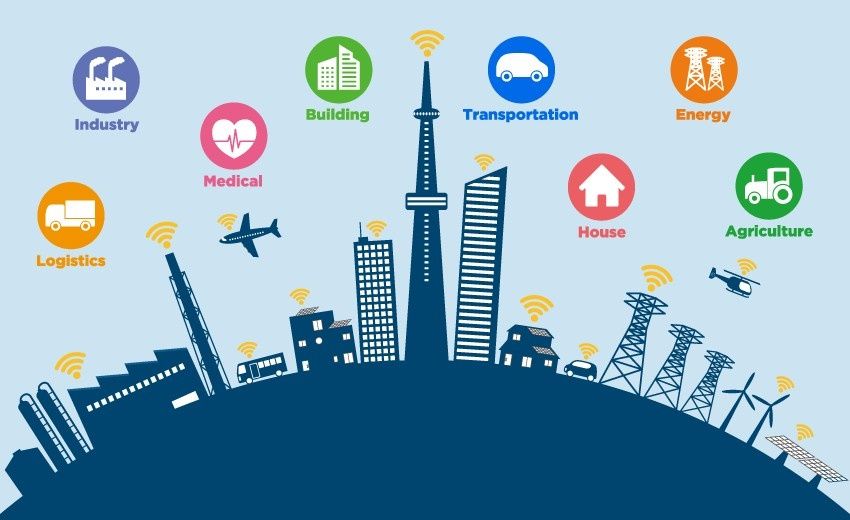
At its core, smart infrastructure focuses on efficiency, reliability, safety, and sustainability. It is not limited to cities alone and can be applied to transportation networks, energy systems, public utilities, and industrial facilities.
Importance: Why Smart Infrastructure Systems Matter
Smart infrastructure systems matter because they directly influence how societies function on a daily basis. From how electricity is distributed to how traffic flows, these systems shape convenience, safety, and resource usage.
Key reasons for their importance include:
-
Increasing pressure on existing infrastructure
-
Rising demand for energy and water efficiency
-
Need for real-time visibility into system performance
-
Desire to reduce downtime and operational risks
These systems affect a wide range of stakeholders, including residents, planners, engineers, policymakers, and researchers. By enabling data-driven insights, smart infrastructure helps reduce waste, improve service reliability, and support long-term planning.
Problems addressed by smart infrastructure include:
-
Inefficient energy distribution
-
Traffic congestion and transportation delays
-
Water leakage and supply losses
-
Delayed maintenance due to lack of early warnings
Recent Updates: Trends and Developments
In recent months, smart infrastructure systems have continued to evolve through advancements in digital technologies and system integration.
Notable developments include increased adoption of:
-
Internet of Things (IoT) sensors for real-time monitoring
-
Artificial intelligence for predictive maintenance
-
Digital twins to simulate infrastructure behavior
-
Cloud-based infrastructure management platforms
There has also been growing focus on interoperability, allowing different systems such as transportation, energy, and communication networks to share data securely. Cybersecurity measures have gained attention as infrastructure becomes more connected.
Another trend is the use of advanced data visualization tools, making complex infrastructure data easier to understand for non-technical stakeholders. This supports transparency and informed decision-making.
Laws or Policies: Regulatory Influence on Smart Infrastructure
Smart infrastructure systems are influenced by regulatory frameworks that guide data use, system safety, and technology standards. Governments and regulatory bodies typically focus on:
-
Data protection and privacy requirements
-
Safety standards for critical infrastructure
-
Guidelines for digital system interoperability
-
Long-term infrastructure modernization programs
Public-sector initiatives often encourage the use of intelligent systems to improve infrastructure resilience and environmental performance. Policies generally aim to balance innovation with accountability, ensuring that smart systems operate reliably and ethically.
While specific regulations vary by region, the overall policy direction supports digital transformation, resilience planning, and efficient resource management.
Tools and Resources: Helpful Platforms and Technologies
A wide range of tools and resources support smart infrastructure systems. These tools help with planning, monitoring, analysis, and decision-making.
Commonly used resources include:
-
Infrastructure data analytics platforms
-
IoT device management dashboards
-
Asset lifecycle management software
-
Energy and water consumption modeling tools
-
Geographic information systems (GIS)
Example Tool Categories and Their Uses
| Tool Category | Primary Purpose | Key Benefit |
|---|---|---|
| IoT Monitoring Platforms | Collect real-time sensor data | Improved visibility |
| Data Analytics Software | Analyze infrastructure performance | Predictive insights |
| Digital Twin Models | Simulate infrastructure behavior | Risk reduction |
| GIS Mapping Tools | Visualize spatial infrastructure data | Better planning |
| Automation Systems | Control operations automatically | Operational efficiency |
These resources help transform raw data into actionable information, supporting evidence-based infrastructure decisions.
How Smart Infrastructure Systems Work
Smart infrastructure systems operate through a connected ecosystem of components:
-
Sensors gather data from physical assets
-
Communication networks transmit data securely
-
Analytics engines process and interpret information
-
Control systems trigger automated responses or alerts
The process creates a continuous feedback loop that allows infrastructure to adapt dynamically. For example, energy systems can balance loads automatically, and transportation networks can adjust signals based on traffic patterns.
Basic Smart Infrastructure Workflow
| Stage | Description |
|---|---|
| Data Collection | Sensors capture real-time conditions |
| Data Transmission | Information moves through networks |
| Data Analysis | Software identifies patterns and risks |
| Decision Action | Systems respond or notify operators |
FAQs: Common Questions Explained
What is the main goal of smart infrastructure systems?
The main goal is to improve efficiency, reliability, and sustainability by using real-time data and intelligent technologies to manage infrastructure assets.
How do smart infrastructure systems differ from traditional infrastructure?
Traditional infrastructure operates with limited data and manual intervention, while smart infrastructure uses automated monitoring and data-driven decision-making.
Are smart infrastructure systems only used in cities?
No. They are also used in transportation corridors, industrial zones, energy networks, water systems, and large facilities.
What role does data play in smart infrastructure?
Data enables real-time monitoring, early issue detection, performance optimization, and long-term planning.
Do smart infrastructure systems require advanced technical skills?
While technical expertise is needed for design and management, modern tools increasingly focus on user-friendly interfaces for broader accessibility.
Benefits and Limitations
Smart infrastructure systems provide several measurable benefits but also come with challenges.
Key Benefits
-
Improved operational efficiency
-
Reduced maintenance disruptions
-
Enhanced system reliability
-
Better long-term planning insights
Common Limitations
-
Complex system integration
-
Data security considerations
-
Dependence on connectivity
-
Need for ongoing system updates
Understanding both benefits and limitations helps organizations make informed infrastructure decisions.
Conclusion
Smart infrastructure systems represent a shift toward intelligent, data-driven management of essential physical assets. By combining digital technologies with traditional infrastructure, these systems improve performance, resilience, and transparency.
As infrastructure demands continue to grow, smart systems provide a structured way to monitor conditions, anticipate challenges, and support sustainable development. Their role extends beyond technology, influencing planning, policy, and everyday experiences.
A clear understanding of smart infrastructure systems helps stakeholders navigate modern infrastructure environments with greater confidence and insight.