Explore Smart Home Hubs: A Complete Guide with Basics and Key Information
Smart home hubs are central systems that connect, manage, and coordinate multiple smart devices within a home. These devices can include lighting systems, thermostats, security sensors, door locks, appliances, and entertainment systems. Instead of controlling each device separately through different applications, a smart home hub allows users to manage everything from one place.
The concept exists to simplify interaction with connected devices. As homes began adopting internet-enabled technology, the number of standalone apps and platforms increased. Smart home hubs emerged to reduce complexity, improve compatibility, and create a more unified digital home environment.
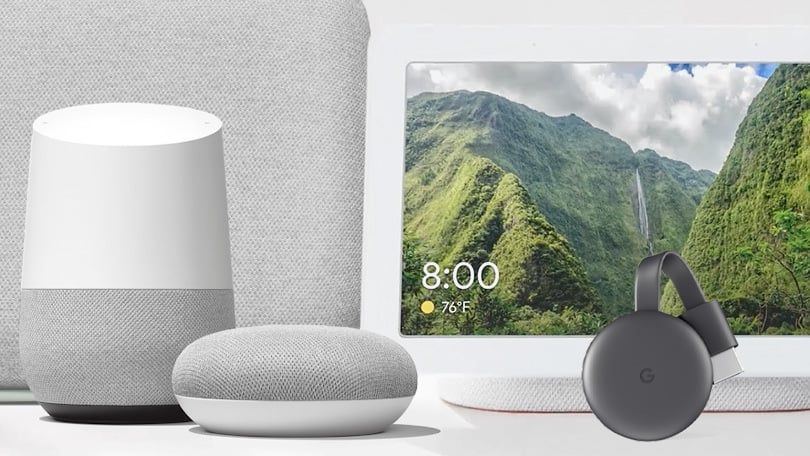
Common examples include platforms such as Amazon Echo, Google Home, and Apple HomeKit, which act as control points for multiple smart technologies.
Importance
Smart home hubs matter because connected living is becoming more common in households of all sizes. They affect homeowners, renters, families, and individuals who rely on connected devices for convenience, accessibility, and energy awareness.
Key reasons smart home hubs are important include:
-
Centralized control of multiple smart devices
-
Improved interoperability between products from different brands
-
Automation capabilities that reduce manual effort
-
Enhanced accessibility for users with mobility or visual limitations
Without a hub, managing many smart devices can become fragmented and inefficient. A hub helps address this problem by acting as a digital coordinator that ensures devices communicate effectively and follow predefined rules.
High CPC keywords naturally associated with this topic include smart home automation, home automation systems, IoT integration, connected home technology, and intelligent home management.
Recent Updates
Smart home hubs have seen notable developments in recent months driven by evolving connectivity standards and user expectations.
Key trends include:
-
Wider adoption of unified connectivity protocols, improving compatibility across brands
-
Increased focus on local processing, reducing reliance on constant cloud access
-
Enhanced privacy controls, allowing users to manage data permissions more clearly
-
Integration with voice assistants and AI-based routines for contextual automation
Another recent change is the growing emphasis on cross-platform support, enabling devices from different ecosystems to work together more reliably. These updates aim to reduce fragmentation and improve the long-term usability of smart home environments.
Laws or Policies
Smart home hubs are influenced by general digital and technology regulations rather than device-specific laws. These typically focus on:
-
Data protection and privacy standards
-
Consumer electronics safety requirements
-
Wireless communication compliance rules
Manufacturers and platform providers are expected to follow regulations related to personal data handling, cybersecurity practices, and device interoperability. While policies vary by region, the overall goal is to protect users while supporting innovation in connected home technology.
Tools and Resources
Several tools and resources help users understand, configure, and manage smart home hubs effectively.
Helpful resources include:
-
Mobile companion applications for hub setup and device management
-
Automation rule builders for scheduling and conditional actions
-
Compatibility checkers to verify supported devices
-
Official documentation portals from hub providers
-
Online knowledge bases and community forums for troubleshooting
Below is a simple table showing how smart home hubs typically interact with devices:
| Component | Role in Smart Home Hub Ecosystem |
|---|---|
| Hub device | Central communication controller |
| Smart sensors | Provide environmental data |
| Actuators | Perform actions like switching or adjusting |
| Mobile app | User interface for control |
| Cloud services | Remote access and updates |
These resources support better planning and informed decision-making for connected home setups.
How Smart Home Hubs Work
A smart home hub acts as an intermediary between devices and the user. It communicates using protocols such as Wi-Fi, Zigbee, or Bluetooth and translates commands into actions.
Basic workflow:
-
Devices send data to the hub
-
The hub processes rules or automation logic
-
Commands are issued to other devices
-
User receives feedback through an app or interface
This structure enables real-time automation and consistent device behavior.
Advantages and Limitations
Smart home hubs provide many benefits but also have practical limitations.
Advantages include:
-
Unified device management
-
Reduced app overload
-
Custom automation routines
-
Improved device coordination
Limitations include:
-
Dependency on network stability
-
Learning curve for advanced automation
-
Variable compatibility across brands
Understanding both aspects helps users set realistic expectations.
Common Use Cases
Smart home hubs are used in a variety of everyday scenarios:
-
Lighting schedules based on time or occupancy
-
Climate adjustments using sensor data
-
Security monitoring with alerts and notifications
-
Voice-controlled device management
The flexibility of hubs allows them to adapt to different household needs.
FAQs
What is the main purpose of a smart home hub?
A smart home hub centralizes control of connected devices and enables automation between them.
Do all smart devices require a hub?
Not all devices require a hub, but hubs improve coordination and cross-device automation.
Are smart home hubs dependent on the internet?
Many functions work locally, while remote access and updates often require connectivity.
Can different brands work together through a hub?
Yes, many hubs are designed to support devices from multiple manufacturers.
Is a smart home hub suitable for small homes?
Yes, hubs can scale from a few devices to more complex setups.
Conclusion
Smart home hubs play a key role in modern connected living by simplifying device management and enabling intelligent automation. They exist to reduce complexity, improve interoperability, and support efficient use of smart technology. With ongoing advancements in connectivity, privacy, and automation logic, smart home hubs continue to evolve as foundational components of intelligent home ecosystems.