Explore Rotavators: A Complete Guide with Basics, Facts, and Key Insights
A rotavator is an agricultural implement designed to prepare soil by breaking, mixing, and leveling it before planting. It is typically mounted on a tractor and powered through a rotating shaft that drives multiple blades into the soil. The core purpose of a rotavator is to simplify land preparation by combining several traditional steps—ploughing, harrowing, and leveling—into a single operation.
The concept exists because soil preparation is essential for healthy crop growth. Well-prepared soil improves seed contact, supports root development, and helps manage crop residues from previous harvests. Over time, rotavators have become widely used due to their ability to save time, reduce manual effort, and deliver consistent soil texture across different field conditions.
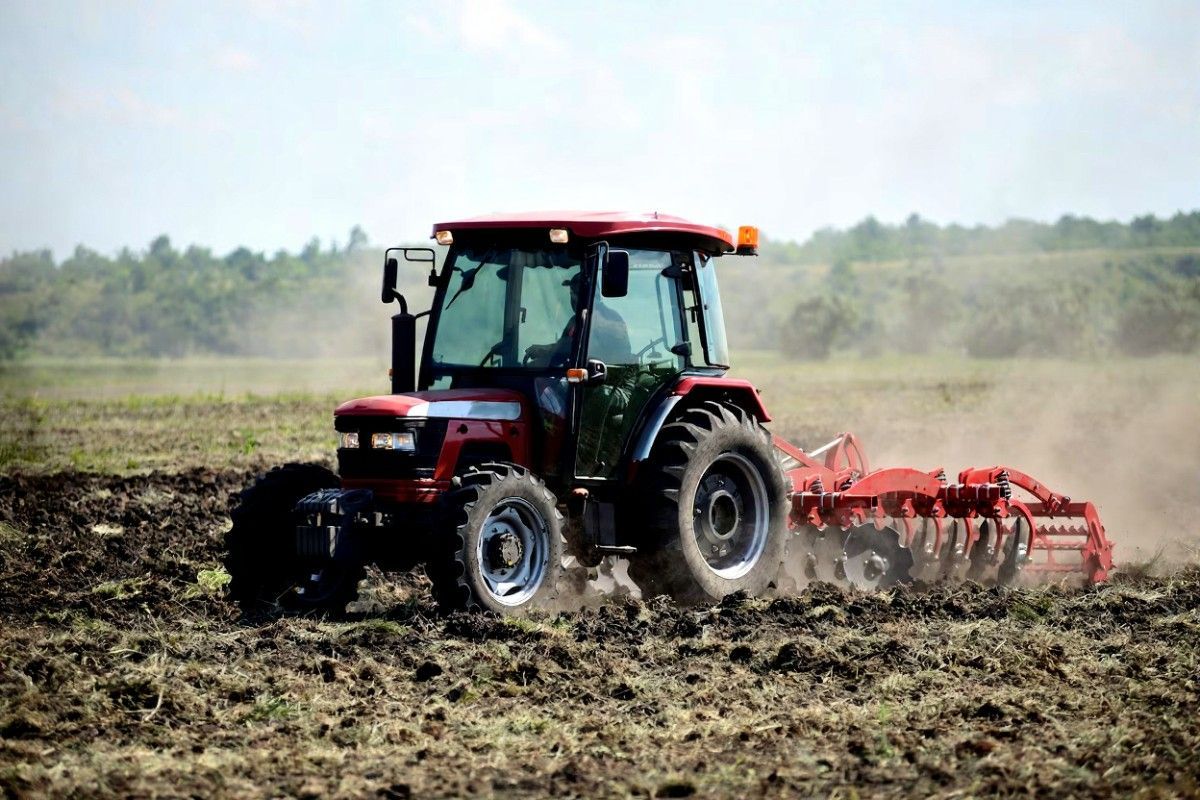
Modern rotavators are engineered to handle a wide range of soils, from light sandy fields to heavier clay-based land. Their adjustable depth and blade configurations allow farmers and land managers to tailor soil preparation to specific crops and farming methods.
Importance: Why Rotavators Matter Today
Rotavators play a significant role in modern agriculture and land management. They affect farmers, agricultural workers, land developers, and institutions involved in food production and soil conservation.
Key reasons this topic matters include:
-
Efficient soil preparation: Rotavators reduce the number of passes needed across a field, which saves fuel and operating time.
-
Improved soil structure: Proper mixing of organic matter supports better moisture retention and aeration.
-
Support for diverse crops: Different crops require different soil textures, which rotavators can help achieve through adjustable settings.
-
Reduced physical labor: Mechanized tillage reduces dependence on manual or animal-powered methods.
The problems rotavators address include uneven land surfaces, compacted soil, and the challenge of preparing fields quickly between cropping cycles. In regions where multiple crops are grown in rotation, timely soil preparation is essential, and rotavators contribute directly to maintaining productivity.
Recent Updates: Trends and Developments
In the recent past, rotavator design has continued to evolve with a focus on durability, efficiency, and soil health. Manufacturers have introduced stronger blade materials that resist wear when operating in abrasive soils. There has also been a noticeable shift toward designs that minimize excessive soil pulverization, which can negatively affect long-term soil structure.
Another development is the integration of precision farming concepts. Some newer models are compatible with tractor systems that allow operators to monitor working depth and rotational speed more accurately. This trend aligns with broader efforts in agriculture to use data-driven approaches for better resource management.
Environmental awareness has also influenced rotavator usage. Discussions among agronomists increasingly emphasize balanced tillage—using rotavators where appropriate while avoiding overuse that could lead to erosion or loss of soil microorganisms.
Laws or Policies: Regulatory and Program Influence
Rotavators are influenced indirectly by agricultural standards and environmental guidelines that promote responsible land preparation. Regulations related to soil conservation, equipment safety, and emissions from agricultural machinery shape how rotavators are designed and operated.
In many regions, agricultural programs encourage the use of efficient implements that reduce fuel consumption and support sustainable practices. Safety standards often require proper shielding of rotating components and clear operating instructions to reduce the risk of accidents.
While specific rules differ by jurisdiction, the overall policy direction supports the responsible use of mechanized tools like rotavators to balance productivity with environmental protection.
Tools and Resources: Helpful References and Aids
Several tools and resources can help users better understand and manage rotavator use:
-
Soil texture charts: Useful for deciding appropriate blade depth and rotation speed.
-
Equipment manuals and maintenance guides: Provide detailed instructions for setup and safe operation.
-
Agricultural extension platforms: Many universities and institutions publish guides on tillage practices and soil management.
-
Online calculators: Tools that estimate field coverage based on tractor speed and implement width.
-
Learning portals from organizations such as Food and Agriculture Organization: Offer general knowledge on sustainable soil practices.
These resources support informed decision-making and help users align rotavator use with broader agricultural goals.
How a Rotavator Works: A Simple Overview
A rotavator operates by transferring power from the tractor to a horizontal rotor fitted with blades. As the rotor turns, the blades cut into the soil, breaking clods and mixing residues.
Main components include:
-
Rotor shaft
-
Blades or tines
-
Gearbox
-
Protective housing
-
Adjustable depth skids
Basic working steps:
-
Tractor power engages the rotor
-
Blades rotate at set speed
-
Soil is cut, lifted, and mixed
-
Surface is leveled behind the implement
Comparison Table: Rotavator vs Traditional Tillage Methods
| Aspect | Rotavator | Traditional Ploughing |
|---|---|---|
| Number of passes | Fewer | Multiple |
| Soil mixing | High | Moderate |
| Time efficiency | Higher | Lower |
| Surface finish | Fine and level | Rough, needs follow-up |
| Operator effort | Lower | Higher |
Trends in Usage Intensity (Illustrative Data)
| Usage Level | Typical Application |
|---|---|
| Low | Light soil preparation, garden plots |
| Medium | Seasonal crop rotation fields |
| High | Intensive farming with short cycles |
This simplified representation shows how rotavator use varies depending on farming intensity and soil requirements.
FAQs: Common Questions About Rotavators
What type of soil is suitable for a rotavator?
Rotavators can work in most soil types, but settings should be adjusted to avoid excessive pulverization in very light soils or strain in heavy clay.
Can a rotavator replace all other tillage tools?
It can combine several steps, but some farming systems still benefit from complementary tools depending on crop and soil conditions.
How deep does a rotavator typically work?
Working depth varies by model and adjustment, generally ranging from shallow surface mixing to deeper soil preparation.
Does frequent rotavator use affect soil health?
Overuse may disrupt soil structure and microorganisms. Balanced and informed use is recommended.
Is specialized training required to operate a rotavator?
Basic tractor operation knowledge and understanding of safety guidelines are usually sufficient.
Conclusion
Rotavators are an important part of modern soil preparation, offering efficiency, consistency, and adaptability across various agricultural contexts. Understanding how they work, why they matter, and how they fit into sustainable land management helps users apply them responsibly. With ongoing design improvements and growing awareness of soil health, rotavators continue to serve as practical tools when used with care and knowledge.