Explore Road Trips Across Countryside: A Complete Guide, Tips & Travel Insights
Road trips across the countryside involve traveling by car or other vehicles through rural landscapes, small towns, scenic highways, and natural regions. Unlike urban travel, countryside journeys focus on open roads, agricultural fields, forests, mountains, lakes, and heritage villages.
These trips exist because people seek flexible travel experiences. Unlike air or rail journeys, road travel allows customized routes, spontaneous stops, and closer interaction with nature. Travelers can pause at viewpoints, explore rural markets, visit historical landmarks, and enjoy slower-paced surroundings.
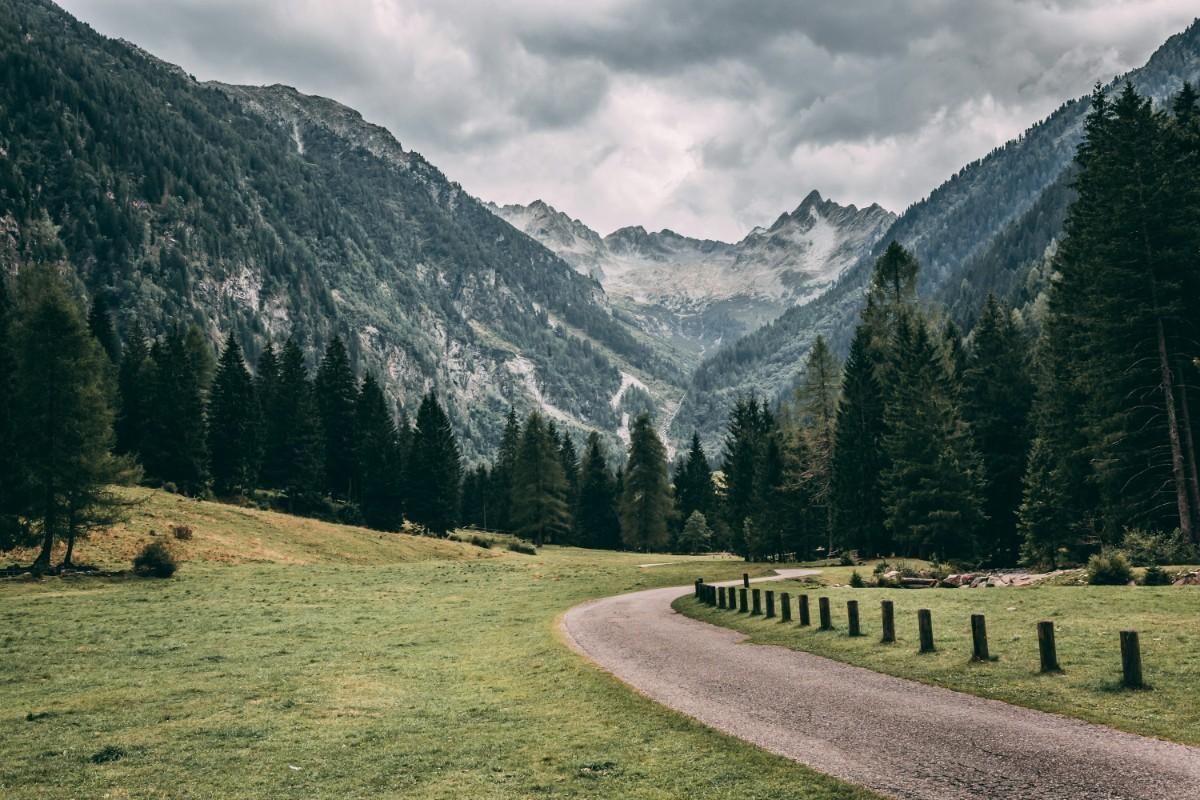
Countryside road trips are often associated with scenic routes such as those found near the Blue Ridge Parkway or along the Great Ocean Road. These routes are known for panoramic landscapes and structured driving paths designed to enhance travel experiences.
In simple terms, countryside road trips combine transportation, exploration, and personal scheduling flexibility. They are structured journeys but also allow discovery.
Importance – Why Countryside Road Trips Matter Today
Countryside travel plays a growing role in modern tourism and lifestyle choices. It matters today for several reasons:
Accessibility and Control
Travelers maintain full control over departure time, rest stops, and route changes. This flexibility reduces dependency on fixed travel schedules.
Rural Economic Support
Small towns and rural communities benefit when visitors stop for accommodation, local attractions, and cultural experiences.
Mental Well-being
Open landscapes and natural environments are linked to stress reduction. Long drives through scenic regions often provide relaxation and improved focus.
Educational Value
Road trips offer exposure to geography, agriculture, architecture, and regional traditions. Families often treat these journeys as practical learning experiences.
Problem-Solving Aspect
Countryside road trips solve several modern travel concerns:
-
Overcrowded tourist hubs
-
Limited flight connectivity
-
Rigid itineraries
-
Urban congestion
In addition, travel planning guide strategies now emphasize sustainable travel planning. This includes minimizing environmental impact, respecting rural communities, and practicing responsible driving habits.
Recent Updates – Trends and Developments
In recent travel trends observed over the past year, countryside road trips have evolved due to changes in travel behavior and technology.
Rise of Domestic Exploration
Many travelers increasingly explore regional destinations within driving distance. This trend supports local tourism infrastructure.
Electric Vehicle Road Trips
The growth of electric vehicle charging networks has expanded countryside accessibility. More scenic highways now include EV charging stations, encouraging environmentally conscious travel.
Smart Navigation Integration
Advanced GPS navigation apps now provide:
-
Real-time traffic alerts
-
Weather notifications
-
Road hazard warnings
-
Offline route downloads
Remote Work and Flexible Travel
Hybrid work patterns have encouraged longer countryside stays. Travelers combine work and travel in rural lodges or small-town accommodations.
Sustainable Tourism Awareness
Environmental agencies have promoted responsible travel messaging, including:
-
Reduced littering
-
Wildlife protection
-
Low-emission vehicle usage
These changes show how road trip culture continues adapting to technology, environmental awareness, and flexible lifestyles.
Laws or Policies – Regulatory Considerations
Countryside road trips are influenced by general transportation and environmental regulations rather than tourism-specific rules.
Driver Licensing Requirements
Drivers must carry valid licenses appropriate for the vehicle category.
Vehicle Compliance
Vehicles must meet roadworthiness standards, including:
-
Functional headlights
-
Brake systems
-
Valid registration
-
Emission compliance
Environmental Protection Rules
Many rural regions enforce:
-
Restricted parking in protected areas
-
Wildlife conservation zones
-
Waste disposal regulations
Speed Limits and Safety Zones
Countryside roads may include:
-
Lower speed limits near villages
-
Wildlife crossing signs
-
Agricultural vehicle zones
National Park Regulations
Some scenic countryside routes pass through protected areas. Regulations may limit:
-
Campfires
-
Off-road driving
-
Overnight parking outside designated areas
Travelers should review official transportation department websites and park authority pages before planning extended routes.
Tools and Resources – Practical Planning Support
Effective countryside road trips rely on preparation and digital tools. Below are commonly used resources:
Navigation Tools
-
Google Maps
-
Waze
Travel Planning Platforms
-
Tripadvisor
-
Roadtrippers
Weather Forecasting
-
The Weather Channel
Vehicle Safety Checklist
| Item | Why It Matters |
|---|---|
| Tire pressure check | Prevents blowouts |
| Engine oil level | Ensures smooth performance |
| Brake inspection | Increases road safety |
| Emergency kit | Preparedness in remote areas |
| Offline maps download | Useful in low-signal zones |
Travel Budgeting Tools
-
Mileage calculators
-
Fuel consumption estimators
-
Expense tracking apps
Basic Road Trip Preparation Flow
| Step | Action |
|---|---|
| 1 | Choose route and map checkpoints |
| 2 | Check weather forecasts |
| 3 | Inspect vehicle condition |
| 4 | Download offline maps |
| 5 | Prepare food, water, and emergency supplies |
These tools enhance safety, efficiency, and informed decision-making during travel.
FAQs – Frequently Asked Questions
What is the ideal duration for a countryside road trip?
It depends on distance and stops. Short trips may last one or two days, while extended journeys can span a week or more. Planning buffer time improves flexibility.
Are countryside roads safe for beginner drivers?
Safety depends on road conditions and driving confidence. Beginners should research terrain types and avoid unfamiliar mountainous or narrow routes without preparation.
How can travelers reduce environmental impact during road trips?
Use fuel-efficient vehicles, avoid littering, respect wildlife zones, and follow marked roads. Sustainable travel planning supports rural ecosystems.
Do GPS navigation apps work in remote areas?
Signal strength may vary. Downloading offline maps ensures continuous navigation even without network coverage.
What essential items should be carried on long rural drives?
Carry water, snacks, first-aid kit, flashlight, spare tire, power bank, printed route summary, and emergency contacts.
Conclusion
Countryside road trips combine exploration, flexibility, and educational value. They allow travelers to experience natural landscapes, rural communities, and scenic routes at their own pace.
With proper travel planning guide strategies, attention to vehicle safety checklist preparation, and awareness of regulations, these journeys can be both enriching and responsible. Modern tools such as GPS navigation apps, weather tracking services, and travel budgeting tools support informed decision-making.
As travel patterns continue evolving, countryside road trips remain a practical and meaningful way to explore beyond urban environments—encouraging sustainable travel planning, rural engagement, and personal discovery.