Explore Radial Drilling Machines: Complete Guide, Basics, and Key Knowledge Details
Radial drilling machines are industrial machines designed to drill holes in large, heavy, or awkwardly shaped workpieces. Unlike a standard drill press, the radial drilling machine has a movable arm that can rotate and slide, allowing the drill head to reach different positions without moving the workpiece.
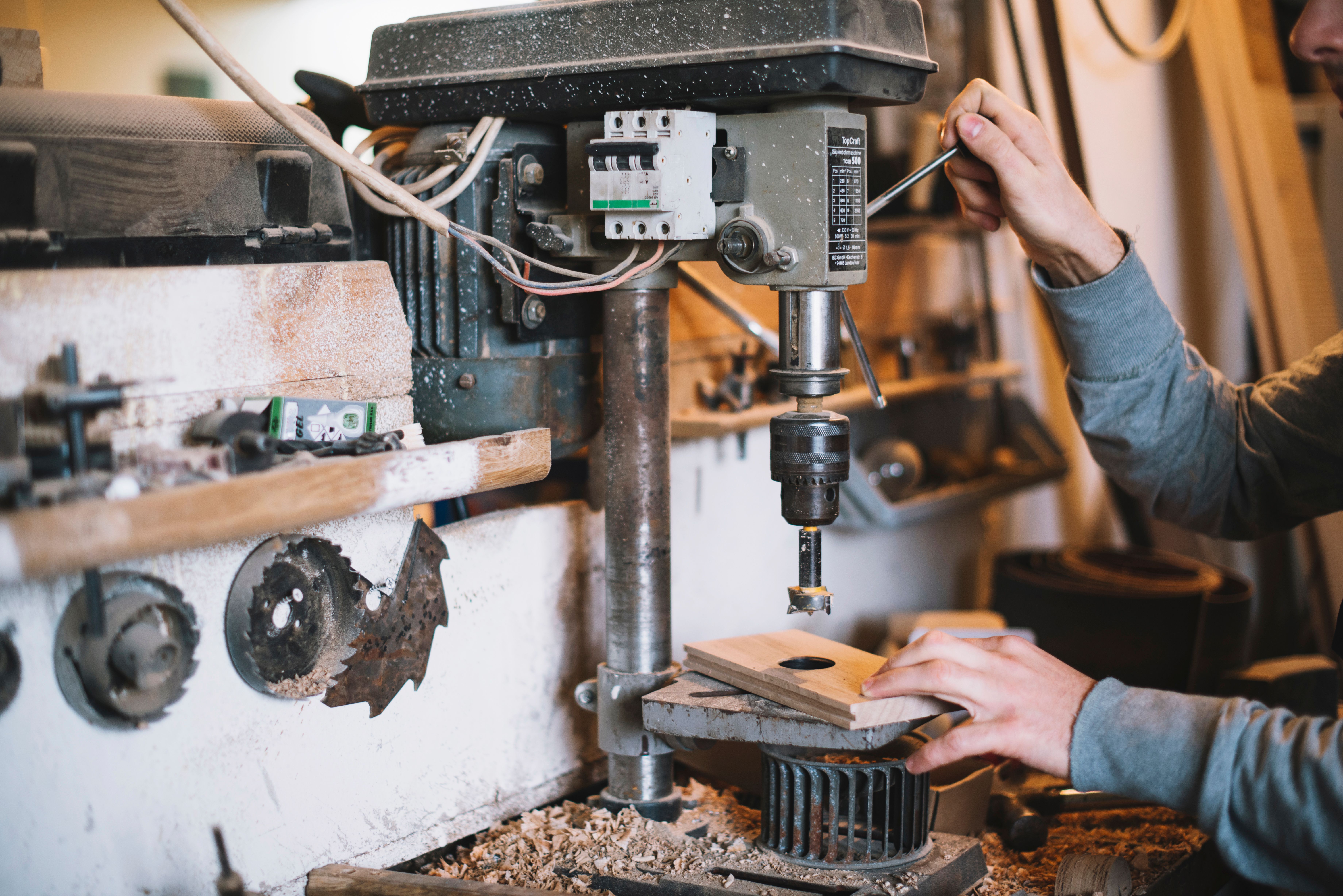
This machine exists to solve a practical challenge in manufacturing: how to drill accurate holes in large metal components efficiently. In industries such as metal fabrication, construction equipment manufacturing, and mechanical engineering, components are often too heavy to reposition repeatedly. The radial arm mechanism enables flexible drilling operations while maintaining stability and precision.
The basic components include:
-
Base
-
Column
-
Radial arm
-
Drill head
-
Spindle
-
Motor and gearbox
The column supports the radial arm, which can rotate around it. The drill head moves horizontally along the arm, and the spindle performs the drilling action. This design improves reach and adaptability in industrial machining processes.
Why Radial Drilling Machines Matter Today
Radial drilling machines continue to play a key role in modern manufacturing equipment environments. Even with the rise of CNC automation systems, conventional radial drills remain widely used in workshops and production facilities.
They matter because they:
-
Handle large and heavy metal components
-
Provide high drilling accuracy
-
Support multiple operations such as tapping, reaming, boring, and countersinking
-
Reduce setup time in heavy fabrication tasks
Industries that rely on them include:
-
Automotive manufacturing
-
Aerospace components production
-
Structural steel fabrication
-
Energy and power equipment manufacturing
-
Infrastructure development projects
In heavy duty drilling equipment operations, repositioning massive steel frames or castings can reduce productivity and increase safety risks. A radial drilling machine allows the tool to move instead of the workpiece, improving workflow efficiency and workplace safety.
The table below highlights a simple comparison between a bench drill and a radial drilling machine:
| Feature | Bench Drill | Radial Drilling Machine |
|---|---|---|
| Workpiece Size | Small to Medium | Medium to Very Large |
| Arm Movement | Fixed | Rotating and Sliding Arm |
| Industrial Use | Light fabrication | Heavy engineering tasks |
| Flexibility | Limited | High |
This flexibility makes radial drilling machines valuable in precision drilling machine applications where both size and accuracy are critical.
Working Principle and Key Technical Concepts
The working principle is based on controlled rotational motion combined with linear feed.
The process typically follows these steps:
-
The workpiece is clamped on the base
-
The radial arm is adjusted to the required height
-
The drill head is positioned along the arm
-
The spindle rotates at a selected speed
-
The drill bit feeds into the material
Spindle speed and feed rate are adjusted depending on:
-
Material type (steel, cast iron, aluminum)
-
Drill diameter
-
Desired hole depth
In mechanical engineering tools and machining operations, controlling feed and speed is essential to prevent tool wear and ensure hole quality.
A simplified conceptual representation of operational workflow:
Workpiece Setup → Arm Positioning → Speed Selection → Drilling Operation → Inspection
The combination of rotational cutting force and controlled feed ensures consistent hole geometry and dimensional accuracy.
Recent Updates and Industry Trends
Radial drilling machines have evolved alongside broader industrial automation and digital manufacturing trends.
Recent developments in the past year across the industrial machinery sector include:
-
Increased integration of digital readout (DRO) systems for improved measurement precision
-
Enhanced energy-efficient motor designs aligned with sustainability goals
-
Growing adoption of hybrid systems combining manual control with CNC-assisted positioning
-
Expansion of Industry 4.0 connectivity features in advanced workshop machinery
Manufacturers have also focused on improved safety features, including:
-
Advanced emergency stop systems
-
Enhanced guarding mechanisms
-
Smart overload protection
In global manufacturing news reports during the past year, there has been a noticeable shift toward energy-efficient industrial equipment to meet carbon reduction targets. Heavy fabrication workshops are gradually upgrading older machines to meet stricter environmental and safety compliance standards.
Automation does not replace radial drilling machines entirely. Instead, it complements them. Many facilities use radial drills for flexible tasks and CNC machining centers for high-volume precision production.
Laws and Regulatory Considerations
Radial drilling machines are subject to workplace safety and industrial machinery regulations in most countries.
Key regulatory areas typically include:
-
Occupational safety standards for machine guarding
-
Electrical compliance rules for industrial equipment
-
Noise and vibration control regulations
-
Environmental rules related to energy efficiency
Workplace safety authorities often require:
-
Proper training for machine operators
-
Use of personal protective equipment (PPE)
-
Routine machine inspection and maintenance
-
Emergency stop functionality
Industrial standards organizations set guidelines for machine design, structural stability, and electrical safety. Compliance ensures safe operation and reduces workplace accidents.
Environmental regulations increasingly encourage:
-
Energy-efficient motors
-
Reduced lubrication waste
-
Proper disposal of metal chips and cutting fluids
Manufacturing facilities must ensure that heavy duty drilling equipment aligns with national labor and environmental policies.
Tools and Resources for Learning and Operation
Professionals and students interested in radial drilling machines can use several helpful tools and educational resources.
Engineering Calculation Tools
-
Machining speed and feed calculators
-
Drill size conversion charts
-
Torque and power calculation spreadsheets
CAD and Design Software
-
Computer-aided design software for component modeling
-
CAM platforms for machining simulation
-
3D visualization tools for mechanical systems
Industrial Standards Resources
-
National occupational safety authority websites
-
Engineering standards documentation portals
-
Technical manuals from machine manufacturers
Educational Platforms
-
Online mechanical engineering courses
-
Manufacturing technology webinars
-
Technical PDF manuals and training modules
A simple example of spindle speed calculation:
Spindle Speed (RPM) = (Cutting Speed × 1000) ÷ (π × Drill Diameter)
This formula is widely used in metal fabrication technology and machining education.
Advantages and Limitations
Advantages
-
High flexibility for large components
-
Improved operator reach
-
Reduced repositioning of heavy materials
-
Multi-function capability
Limitations
-
Larger floor space requirement
-
Slower compared to high-speed CNC machining centers
-
Requires skilled manual operation
Understanding both strengths and limitations helps organizations select appropriate industrial machinery for specific production needs.
Frequently Asked Questions
What is the difference between a radial drilling machine and a standard drill press?
A standard drill press has a fixed head and limited movement. A radial drilling machine features a rotating and sliding arm that allows the drill head to move around large workpieces without repositioning them.
Where are radial drilling machines commonly used?
They are commonly used in heavy fabrication workshops, automotive component manufacturing, infrastructure equipment production, and mechanical engineering industries.
Can a radial drilling machine perform operations other than drilling?
Yes. In addition to drilling, it can perform tapping, reaming, boring, and countersinking operations depending on tooling and configuration.
Is CNC replacing radial drilling machines?
CNC machines are widely used for automated precision production. However, radial drilling machines remain relevant for flexible, large-scale, and low-to-medium volume industrial applications.
What safety precautions are necessary during operation?
Operators should use protective eyewear, secure loose clothing, ensure proper clamping of the workpiece, and follow workplace safety guidelines for industrial machinery.
Future Outlook in Industrial Manufacturing
Radial drilling machines are part of the broader ecosystem of manufacturing equipment insights and industrial modernization.
As industries continue moving toward digital transformation, these machines may incorporate:
-
Smart monitoring systems
-
Predictive maintenance sensors
-
Digital measurement integration
-
Energy performance tracking
Rather than disappearing, traditional heavy duty drilling equipment is adapting to modern standards. Hybrid industrial models that combine mechanical reliability with digital precision are becoming more common in fabrication environments.
Conclusion
Radial drilling machines remain an essential component of industrial machinery across multiple sectors. Their unique arm-based design allows flexible positioning, making them suitable for large and heavy workpieces that are difficult to move.
They support precision drilling machine applications, enhance workflow efficiency, and contribute to safe and organized manufacturing operations. While CNC automation systems continue to grow in importance, radial drilling machines maintain their relevance in heavy engineering and metal fabrication technology.
Understanding their structure, working principle, regulatory considerations, and evolving trends helps engineers, students, and manufacturing professionals make informed decisions in modern industrial environments.