Explore Professional-Grade Power Tools: Basics, Facts, and Key Information
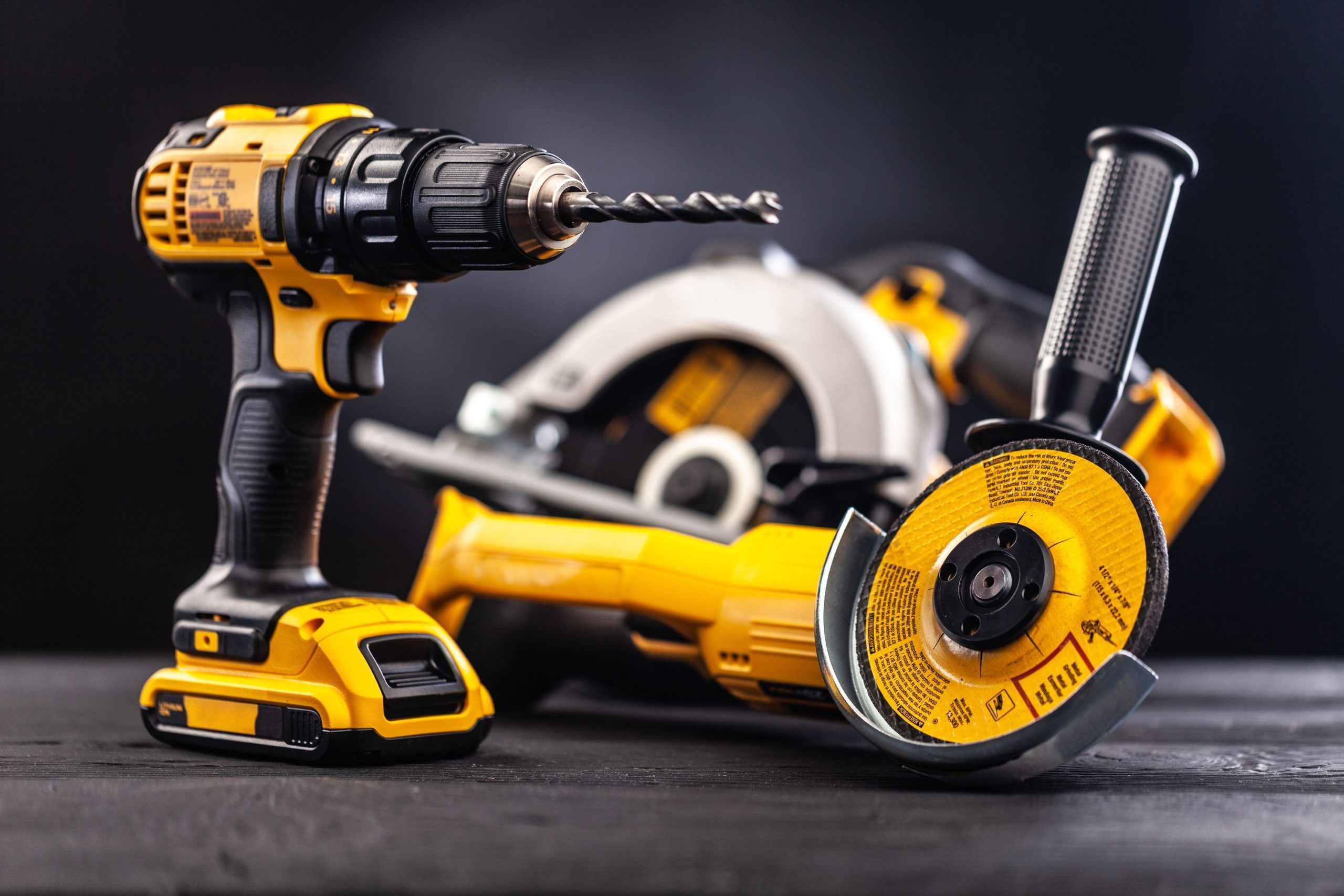
Professional-grade power tools are heavy-duty machines designed for repeated, demanding use in construction, manufacturing, maintenance, and advanced home projects. Unlike entry-level tools, they are built with stronger motors, reinforced components, and tighter engineering tolerances. Their purpose is to deliver consistent performance, accuracy, and durability over long operating hours.
These tools exist because many tasks—cutting dense materials, drilling precise holes, fastening structural components—require more power and reliability than basic equipment can provide. Professional-grade power tools support workflows where downtime, inaccuracy, or tool failure can affect safety and productivity. As industries evolve, these tools continue to adapt to new materials, techniques, and safety expectations.
Importance: Why This Topic Matters Today
Professional-grade power tools affect a wide range of users, including technicians, builders, engineers, educators, and serious hobbyists. Their importance has grown as projects become more complex and standards for quality and safety increase.
Key reasons this topic matters include:
-
Productivity and efficiency: High-performance tools complete tasks faster and with fewer interruptions.
-
Precision and consistency: Accurate output is critical in structural, electrical, and mechanical work.
-
Worker safety: Stable operation and modern safety features help reduce accidents.
-
Longevity and sustainability: Durable tools reduce frequent replacements and material waste.
These tools help solve common problems such as inconsistent results, excessive physical strain, and limitations when working with advanced materials like composites, engineered wood, or hardened metals.
Recent Updates: Trends and Developments
In the past year, several notable developments have shaped professional-grade power tools:
-
Battery technology improvements: Higher-density lithium-ion cells and smarter battery management systems have extended runtime and reduced charging interruptions.
-
Brushless motor adoption: Brushless designs are now standard in many categories, offering improved efficiency, reduced heat, and longer tool life.
-
Digital integration: Some tools now include onboard diagnostics, usage tracking, and maintenance alerts through companion software platforms.
-
Noise and vibration reduction: Updated designs focus on operator comfort and long-term health by minimizing exposure to vibration and high sound levels.
These updates reflect a broader trend toward smarter, safer, and more energy-efficient equipment across professional environments.
Laws or Policies: Regulatory Influence
Professional-grade power tools are influenced by technical standards and safety regulations developed by international and regional bodies. These frameworks focus on electrical safety, electromagnetic compatibility, noise limits, and user protection.
Common regulatory considerations include:
-
Electrical and mechanical safety standards that define insulation, grounding, and structural integrity.
-
Workplace safety guidelines that specify guarding, emergency stops, and safe operating procedures.
-
Environmental compliance rules addressing energy efficiency and material use.
Organizations such as the International Organization for Standardization provide widely referenced benchmarks that manufacturers and institutions follow to ensure tools meet consistent performance and safety expectations across markets.
Tools and Resources: Helpful References
A range of tools and resources support informed use and understanding of professional-grade power tools:
-
Specification comparison charts for evaluating power, torque, speed, and duty cycles
-
Maintenance checklists that outline inspection intervals and care routines
-
Safety training manuals covering proper handling and protective equipment
-
Digital calculators for load, torque, and material compatibility
-
Technical documentation libraries from manufacturers and standards bodies
These resources help users select appropriate tools for tasks, maintain equipment correctly, and operate within recommended safety limits.
Common Categories and Core Features
Professional-grade power tools are often grouped by function. The table below outlines common categories and defining characteristics.
| Tool Category | Typical Applications | Key Technical Features |
|---|---|---|
| Drilling & Fastening | Structural assembly, installation | High torque, variable speed control |
| Cutting & Shaping | Wood, metal, masonry work | Stable RPM, reinforced blades |
| Grinding & Finishing | Surface preparation | Vibration control, guard systems |
| Measuring & Layout | Precision alignment | Digital accuracy, calibration support |
Across categories, shared features often include brushless motors, reinforced housings, thermal protection, and ergonomic grips.
Performance and Safety Considerations
Understanding performance metrics helps users match tools to tasks. Important factors include:
-
Power output: Determines capability with dense or resistant materials.
-
Duty cycle: Indicates how long a tool can operate continuously.
-
Ergonomics: Affects fatigue during extended use.
-
Safety mechanisms: Includes overload protection, electronic braking, and guards.
A simplified comparison of motor types is shown below.
| Motor Type | Efficiency | Maintenance Needs | Typical Lifespan |
|---|---|---|---|
| Brushed | Moderate | Higher | Shorter |
| Brushless | High | Lower | Longer |
Such comparisons support informed decisions without relying on promotional claims.
FAQs: Clear and Factual Answers
What defines a professional-grade power tool?
It is defined by durability, higher performance ratings, and the ability to operate reliably under continuous or demanding conditions.
Are professional-grade tools suitable for learning environments?
Yes. With proper supervision and training, they support skill development and exposure to industry-standard equipment.
How do safety standards affect tool design?
Standards influence insulation, guarding, noise levels, and emergency controls, shaping how tools are engineered and tested.
Why are brushless motors widely used?
They provide better efficiency, reduced heat generation, and longer operational life compared to traditional designs.
Do these tools require specialized maintenance?
Maintenance is structured rather than complex, focusing on inspection, cleaning, and adherence to manufacturer guidelines.
Conclusion
Professional-grade power tools play a central role in modern technical and industrial work. Their existence addresses the need for reliable, precise, and safe equipment capable of meeting high performance expectations. Ongoing developments in battery systems, digital monitoring, and ergonomic design continue to refine how these tools function in real-world environments.
By understanding their context, importance, regulatory influences, and available resources, users can engage with professional-grade power tools more effectively and responsibly. This knowledge supports safer operation, better outcomes, and informed decision-making across a wide range of applications.