Explore Pneumatic Rollers: Guide, Basics, and Practical Insights
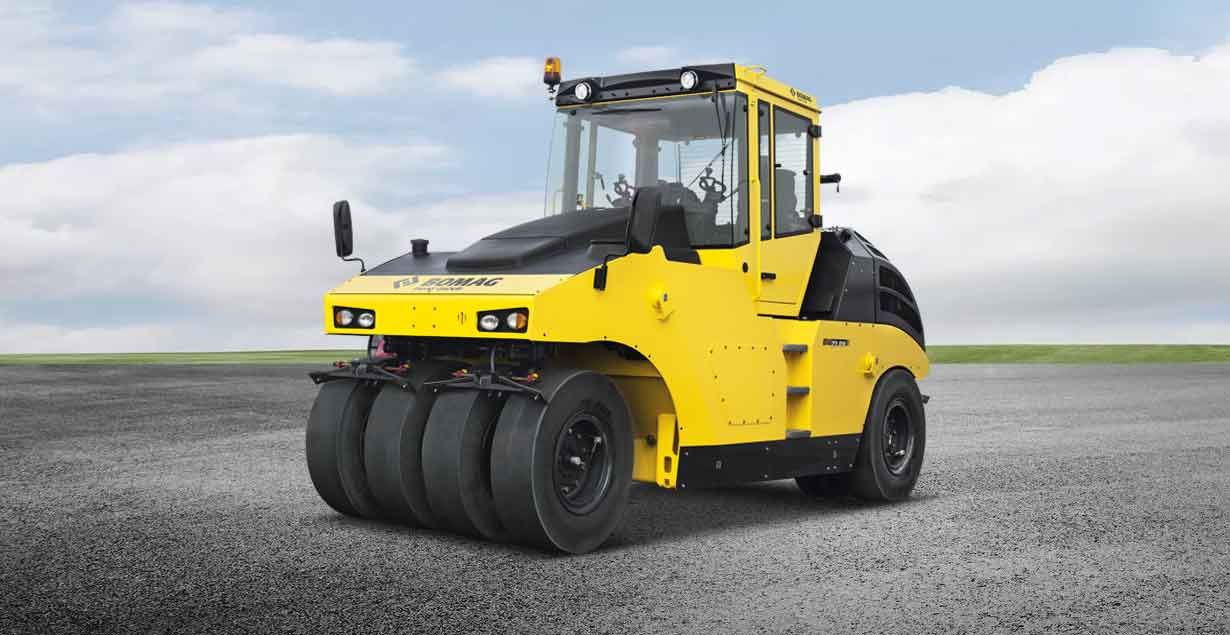
Pneumatic rollers are a type of road construction machinery used for compacting soil, asphalt, and other surface materials. Unlike smooth drum rollers, they use multiple rubber tires mounted in rows. These tires apply uniform pressure and kneading action to compress materials evenly.
The primary purpose of pneumatic rollers is to increase the density of materials used in road construction and infrastructure development. When soil or asphalt is compacted properly, it becomes stronger, more stable, and less prone to cracking or settlement.
In pavement engineering, compaction plays a critical role. If layers beneath a road are not adequately compacted, they may shift under traffic loads. Pneumatic rollers exist to address this challenge by delivering flexible pressure through tires that adjust to surface irregularities.
They are widely used in:
-
Highway construction
-
Airport runway development
-
Industrial flooring projects
-
Dam embankments
-
Urban road maintenance
By combining weight and controlled tire pressure, these machines improve bonding between aggregate particles, which enhances structural integrity.
Importance – Why Pneumatic Rollers Matter Today
In modern infrastructure development, durability and safety are central concerns. Poor compaction can result in premature pavement failure, potholes, and structural damage. Pneumatic rollers help solve these issues by ensuring consistent compaction across large areas.
They matter today for several reasons:
Improved Pavement Performance
The kneading action of rubber tires reduces air voids in asphalt layers. This helps prevent water infiltration and surface deformation.
Adaptability
Unlike rigid steel drum rollers, pneumatic rollers can adapt to uneven surfaces. This makes them suitable for base layers and surface finishing tasks.
Sustainability in Construction
Efficient compaction reduces material waste and minimizes the need for repeated repairs. This supports environmentally responsible construction practices.
Impact on Stakeholders
This equipment affects multiple groups:
-
Civil engineers and project planners
-
Construction contractors
-
Urban development authorities
-
Transportation departments
-
Infrastructure investors
In high-traffic regions, well-compacted roads reduce maintenance cycles and enhance public safety. For large-scale projects such as highways and airports, proper use of soil compaction equipment contributes directly to long-term performance.
Working Principle of Pneumatic Rollers
A pneumatic roller uses several closely spaced rubber tires arranged in front and rear rows. The machine’s weight, combined with adjustable tire pressure, creates a uniform compaction force.
Key components include:
-
Rubber tires
-
Ballast compartment for weight adjustment
-
Hydraulic systems for steering and control
-
Engine and transmission system
The kneading effect occurs when tires slightly overlap during movement. This action compresses and rearranges particles in asphalt or soil, improving density and cohesion.
Below is a simplified comparison table between pneumatic rollers and smooth drum rollers:
| Feature | Pneumatic Roller | Smooth Drum Roller |
|---|---|---|
| Compaction Type | Kneading + Static Pressure | Static + Vibratory |
| Surface Adaptability | High | Moderate |
| Best For | Asphalt finishing, granular base | Initial soil compaction |
| Tire/Drum Contact | Multiple rubber tires | Steel drum |
This table highlights why pneumatic rollers are often used in finishing layers of asphalt compaction projects.
Recent Updates and Industry Trends
Recent developments in construction technology have influenced pneumatic roller design and operation.
Telematics Integration
Manufacturers are increasingly integrating telematics systems into heavy equipment. These systems allow real-time monitoring of compaction performance, fuel efficiency, and machine health.
Emission Standards Compliance
Stricter emission norms introduced in various regions have led to improvements in engine technology. Newer pneumatic rollers now feature cleaner diesel engines that reduce particulate matter and nitrogen oxide emissions.
Intelligent Compaction Systems
In recent updates across the industry, intelligent compaction features have gained attention. These systems use sensors to measure stiffness and density levels during operation. Operators receive feedback that helps maintain consistent compaction across project areas.
Electrification Research
There is ongoing research into hybrid and electric construction equipment. While large-scale adoption is still evolving, prototype models have been discussed in industry exhibitions and technical forums.
Digital Project Management
Construction firms increasingly use digital platforms to integrate roller performance data into broader infrastructure management systems.
These trends reflect a broader shift toward automation, data-driven construction, and environmental responsibility.
Laws and Regulatory Framework
Pneumatic rollers operate within a regulatory environment shaped by construction standards, environmental policies, and workplace safety guidelines.
Environmental Regulations
Heavy machinery must comply with emission standards aimed at reducing air pollution. These regulations influence engine design and fuel systems in road construction machinery.
Occupational Safety Standards
Operators must follow safety protocols related to noise exposure, vibration control, and operational training. Safety frameworks ensure that heavy equipment usage minimizes workplace risks.
Infrastructure Quality Standards
Government infrastructure programs often require strict compaction benchmarks. Density testing and documentation are mandatory to verify compliance with engineering standards.
Noise and Urban Operation Rules
In urban areas, equipment may need to comply with noise control regulations to limit disturbance during construction.
These policies ensure that soil compaction equipment is used responsibly, safely, and in alignment with public infrastructure goals.
Tools and Resources for Understanding Pneumatic Rollers
Several digital tools and resources support professionals and students working in pavement engineering and construction equipment management.
Engineering Calculators
-
Soil density calculators
-
Compaction ratio tools
-
Load distribution calculators
Project Management Software
-
Construction planning platforms
-
Equipment tracking dashboards
-
Telematics reporting systems
Technical Standards Documents
-
Pavement engineering manuals
-
Environmental compliance guidelines
-
Occupational safety frameworks
Simulation Software
Compaction simulation software helps engineers test density levels in virtual models before field execution.
Educational Resources
-
Civil engineering course modules
-
Infrastructure research journals
-
Industry webinars and technical presentations
Below is a simplified graph-style overview of the compaction process stages:
Preparation → Layer Placement → Initial Compaction → Pneumatic Rolling → Density Testing → Final Inspection
This sequence highlights where pneumatic rollers typically operate within the broader asphalt compaction workflow.
Advantages and Limitations
Understanding both strengths and constraints provides practical insights.
Advantages:
-
Uniform pressure distribution
-
Effective sealing of asphalt surfaces
-
Reduced surface cracking
-
Adjustable tire pressure for varied materials
Limitations:
-
Less effective for deep compaction compared to vibratory rollers
-
Performance depends on correct tire inflation
-
Requires skilled operation for consistent results
In large infrastructure projects, pneumatic rollers are often used in combination with other industrial machinery to achieve optimal outcomes.
Frequently Asked Questions
What materials are best compacted using pneumatic rollers?
Pneumatic rollers are most effective for asphalt layers, granular base materials, and certain types of cohesive soils. Their kneading action improves bonding between particles.
How does tire pressure affect compaction quality?
Higher tire pressure increases contact stress, while lower pressure spreads the load more evenly. Proper adjustment ensures balanced density without surface damage.
Are pneumatic rollers used alone in road construction?
They are typically part of a sequence that includes vibratory rollers and static rollers. Each machine serves a specific compaction stage.
What is the difference between static and kneading compaction?
Static compaction applies uniform downward force. Kneading compaction uses flexible tires to rearrange particles through slight lateral movement, improving interlocking.
Do pneumatic rollers contribute to pavement longevity?
Yes. Proper compaction reduces air voids, prevents water penetration, and increases structural strength, all of which extend pavement life.
Conclusion
Pneumatic rollers are essential components of modern road construction machinery. Through their unique kneading action and adjustable tire pressure, they enhance the density and durability of asphalt and soil layers.
In the context of growing infrastructure demands, their role remains significant. They support safer roads, longer-lasting pavements, and more efficient construction workflows. With advancements in telematics, intelligent compaction systems, and environmental compliance, pneumatic rollers continue to evolve alongside broader construction technology trends.
For engineers, planners, and infrastructure stakeholders, understanding the fundamentals of pneumatic rollers provides valuable insight into how compaction influences structural performance. As infrastructure development expands globally, the practical knowledge of heavy equipment such as pneumatic rollers becomes increasingly relevant.