Explore Odor Control Units: Guide, Explanation, and Practical Insights
Odor control units are engineered systems designed to reduce or eliminate unpleasant and harmful smells released into the air from industrial, commercial, and public environments. These odors often originate from processes involving chemicals, organic waste, wastewater treatment, food processing, manufacturing emissions, or material handling activities.
Odors are more than a comfort issue. Many odor-causing compounds are volatile organic compounds (VOCs), sulfur-based gases, or ammonia-related substances that can affect air quality. Odor control technology exists to manage these airborne pollutants before they disperse into surrounding environments.
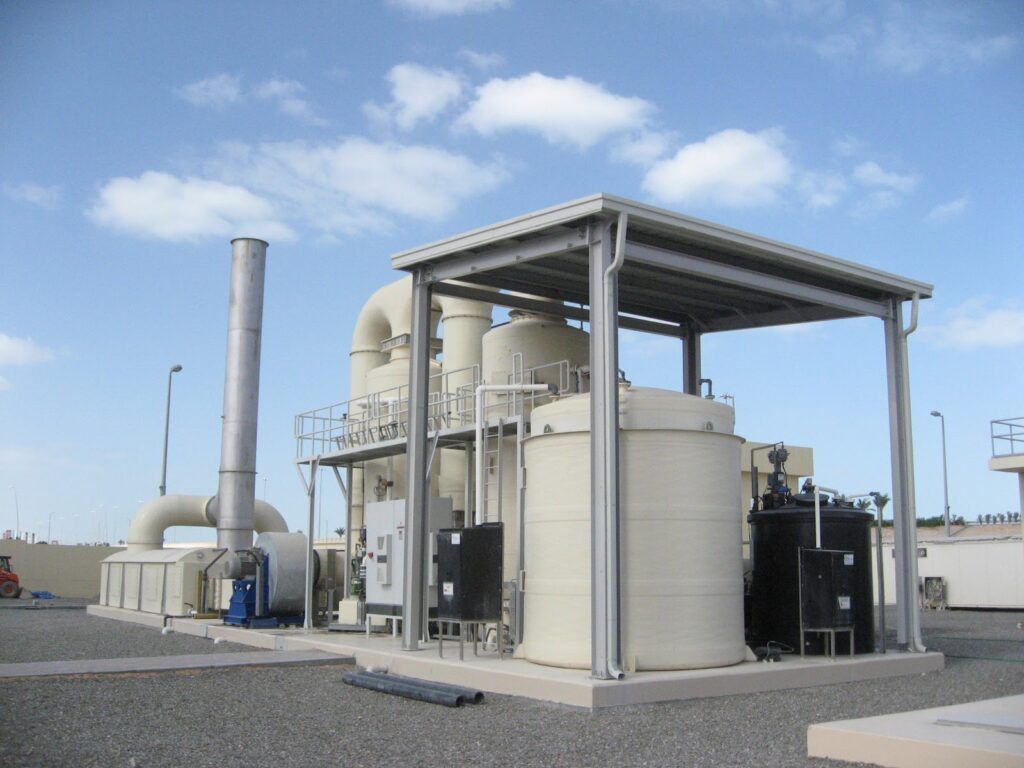
Odor control units work by capturing contaminated air and treating it through physical, chemical, or biological processes. The objective is to neutralize odor molecules or convert them into less harmful substances. Over time, these systems have evolved into specialized air pollution control systems designed to meet environmental standards while maintaining operational efficiency.
Importance: Why Odor Control Units Matter Today
Odor control units play a critical role in modern environmental management. As industrial activities expand and urban areas grow closer to operational facilities, odor management has become a key environmental and public health concern.
These systems matter because they help address multiple challenges:
-
Protection of ambient air quality
-
Reduction of odor-related complaints from nearby communities
-
Control of VOC emissions and hazardous air pollutants
-
Support for environmental compliance strategies
-
Improvement of workplace air conditions
Industries such as wastewater treatment, solid waste management, chemical processing, food and beverage production, and pharmaceuticals rely heavily on odor mitigation systems. Even non-industrial environments, such as large commercial buildings and public infrastructure, benefit from controlled air treatment solutions.
Odor control units also contribute to sustainability goals by helping organizations manage emissions responsibly. By limiting the release of untreated air pollutants, these systems support cleaner air initiatives and long-term environmental protection efforts.
Recent Updates: Developments and Trends in Odor Control Technology
Recent developments in odor control units focus on efficiency, adaptability, and environmental compatibility. Over the past year, several notable trends have shaped the direction of odor control solutions.
One major trend is the increased use of hybrid odor control systems, which combine multiple treatment technologies such as activated carbon adsorption and biofiltration. These systems provide higher removal efficiency for complex odor profiles.
Another development is the adoption of smart monitoring technologies. Sensors and digital control systems are now commonly integrated into odor control units to track airflow rates, contaminant concentration levels, and filter performance in real time. This allows for better operational insights and predictive maintenance.
There has also been progress in low-pressure drop media and advanced filter materials. These improvements reduce energy consumption while maintaining high odor removal performance.
The growing emphasis on sustainable air treatment solutions has encouraged the use of biodegradable filter media and reduced chemical dependency in certain odor control applications.
Laws or Policies: How Regulations Influence Odor Control Units
Odor control units are closely connected to environmental regulations governing air emissions and pollution control. Many environmental frameworks classify odorous compounds under broader air quality management rules, particularly those related to VOC emissions and industrial exhaust treatment.
Regulatory authorities often require facilities to demonstrate effective odor mitigation as part of their environmental management plans. This can include emission thresholds, operational monitoring requirements, and documentation of air treatment performance.
Environmental impact assessments commonly evaluate odor dispersion and control measures during project planning stages. Odor control units are frequently referenced as mitigation tools within these assessments.
Additionally, workplace safety policies often emphasize the importance of controlling airborne contaminants to protect employee health. Odor control units support these policies by reducing exposure to potentially irritating or harmful gases.
Tools and Resources: Helpful Aids for Understanding Odor Control Units
Several tools and resources are available to support understanding and evaluation of odor control systems. These resources focus on education, system design, and performance assessment.
Helpful resources include:
-
Air quality modeling software for odor dispersion analysis
-
VOC concentration calculators used in emission estimation
-
Environmental compliance guidance documents
-
Technical standards for air pollution control equipment
-
Educational publications on industrial air filtration technologies
Example Reference Table: Common Odor Control Technologies
| Technology Type | Primary Function | Typical Applications |
|---|---|---|
| Activated Carbon Systems | Adsorption of odor molecules | Industrial exhaust, chemical processing |
| Biofiltration Units | Biological degradation of odors | Wastewater treatment, composting |
| Chemical Scrubbers | Neutralization through reactions | High-strength gas streams |
| Thermal Oxidation | Oxidation of VOCs | Industrial air pollution control |
Simple Performance Comparison Chart
| System Complexity | Odor Removal Efficiency | Operational Flexibility |
|---|---|---|
| Low | Moderate | Limited |
| Medium | High | Moderate |
| High | Very High | Extensive |
FAQs: Common Questions About Odor Control Units
What types of odors can odor control units treat?
Odor control units can manage a wide range of odors, including sulfur compounds, ammonia-based smells, VOCs, and organic decomposition gases.
Are odor control units used only in industrial environments?
No. While widely used in industrial settings, they are also applied in commercial facilities, public infrastructure, and large indoor environments.
How do odor control units improve air quality?
They remove or neutralize odor-causing molecules before air is released into the environment, reducing airborne pollutants.
Do odor control units help with regulatory compliance?
Yes. They support compliance with air quality and environmental management requirements by controlling emissions.
What factors influence the effectiveness of an odor control system?
Key factors include airflow volume, contaminant concentration, selected treatment technology, and system maintenance practices.
Conclusion
Odor control units are essential components of modern air pollution control strategies. They exist to manage airborne contaminants that affect air quality, environmental health, and human comfort. Through various treatment technologies, these systems help reduce the impact of odorous emissions across multiple sectors.
As environmental expectations continue to evolve, odor control technology is advancing toward smarter, more efficient, and environmentally conscious solutions. Understanding how these systems work, why they matter, and how they fit into broader environmental frameworks helps organizations and communities make informed decisions about air quality management.
By integrating odor control units into responsible environmental planning, industries and public facilities contribute to cleaner air, improved surroundings, and sustainable operational practices.