Explore Low Ground Pressure Dumpers: Facts, Explanation, and Practical Information
Low Ground Pressure Dumpers, often shortened to LGP dumpers, are specialized earthmoving machines designed to move materials across soft, uneven, or sensitive ground. They exist because conventional dump trucks and rigid dumpers can sink, slip, or damage terrain when operating on mud, sand, wetlands, or freshly prepared construction sites.
These machines use wide tracks or specially designed low-pressure tires to spread their weight over a larger surface area. By reducing pressure on the ground, they remain stable while carrying loads where other construction machinery would struggle. LGP dumpers are commonly seen in infrastructure development, land preparation, mining support, and environmental projects.
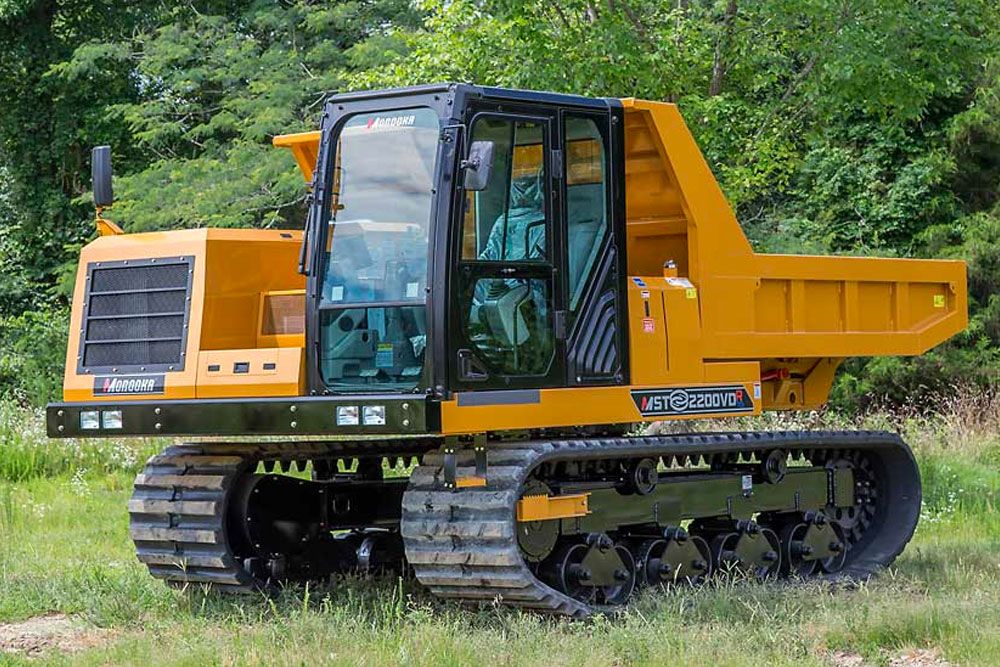
In simple terms, an LGP dumper allows material movement in places where the ground cannot safely support standard heavy equipment.
Importance: Why Low Ground Pressure Dumpers Matter Today
Low Ground Pressure (LGP) dumpers are increasingly important as construction and infrastructure projects expand into soft, unstable, or environmentally sensitive terrains. These machines are specifically designed to operate where traditional dumpers struggle.
Why They Matter
Modern projects often involve:
- Wet or muddy construction sites
- Renewable energy installations (e.g., wind farms)
- Environmentally sensitive land development
- Climate-resilient infrastructure
LGP dumpers help address these challenges by:
- Preventing soil damage and deep rutting
- Maintaining productivity in unstable ground conditions
- Improving operator safety on low-bearing surfaces
- Supporting environmentally responsible construction practices
Who Benefits
- Construction planners and engineers
- Equipment operators
- Environmental and land management teams
Key Differences: Standard vs LGP Dumpers
| Feature Area | Standard Dumper | Low Ground Pressure Dumper |
|---|---|---|
| Ground Contact | Narrow tires | Wide tracks / low-pressure tires |
| Soil Impact | High | Significantly reduced |
| Terrain Suitability | Firm ground | Soft, muddy, uneven terrain |
| Stability | Moderate | High on weak surfaces |
| Typical Use | General hauling | Sensitive or unstable areas |
Recent Developments and Trends
In the past year, LGP dumper technology has advanced to improve efficiency, safety, and sustainability.
Key Innovations
- Telematics systems for real-time performance monitoring
- Improved track designs for durability and reduced vibration
- Enhanced fuel efficiency through optimized engine systems
- Operator-assist features for better control on slopes
Manufacturers are also focusing on:
- Noise reduction
- Emission control compliance
- Data-driven equipment management
These trends reflect a shift toward smarter and more environmentally conscious construction machinery.
Laws and Regulatory Considerations
LGP dumpers are governed by general construction and heavy equipment regulations.
Key Compliance Areas
- Operator safety standards
- Emission and noise control regulations
- Environmental protection guidelines
- Workplace health and safety requirements
In many projects, especially public infrastructure or environmentally sensitive developments, regulations encourage the use of low-impact machinery like LGP dumpers.
Tools and Resources for LGP Dumper Operations
Several tools support planning, operation, and maintenance of LGP dumpers.
Useful Tools
- Fleet management software (tracks usage and performance)
- Telematics dashboards (real-time monitoring)
- Ground pressure calculators (site planning)
- Digital maintenance logs and manuals
- Construction equipment knowledge platforms
Operational Performance Overview
| Parameter | Typical Performance |
|---|---|
| Ground Pressure | Very low compared to standard dumpers |
| Load Handling | Optimized for soft terrain |
| Maneuverability | Suitable for confined job sites |
| Environmental Impact | Reduced surface damage |
Frequently Asked Questions
What makes a dumper “low ground pressure”?
It uses wide tracks or specialized tires to distribute weight over a larger area, reducing pressure on the ground.
Where are LGP dumpers used?
They are commonly used in:
- Soft soil construction sites
- Land development projects
- Mining support operations
- Environmentally sensitive areas
How do they protect the environment?
By minimizing soil disturbance, they help preserve ground structure and reduce long-term environmental damage.
Are they difficult to operate?
No. Modern LGP dumpers include operator-friendly controls and stability systems, making them suitable for trained operators.
How does technology improve performance?
Telematics and digital monitoring systems enhance efficiency, maintenance planning, and machine control.
Conclusion
Low Ground Pressure dumpers are specialized machines designed for challenging terrains where traditional equipment may fail. By distributing weight effectively, they reduce soil damage while maintaining productivity and safety.
With advancements in telematics, efficiency, and operator support systems, LGP dumpers reflect the broader evolution of construction equipment toward smarter, more sustainable solutions. Their role is especially important in projects that require both high performance and environmental responsibility.
Understanding their features, applications, and compliance requirements helps ensure effective use in modern infrastructure and land development projects.