Explore Living Room Crystal Chandelier Guide: Basics, Design Tips & Insights
A living room crystal chandelier is a decorative lighting fixture designed to hang from the ceiling and reflect light through cut or molded crystal elements. Its purpose goes beyond illumination. It helps define the atmosphere of a living space by combining light, form, and reflection in a single visual element.
Historically, crystal chandeliers were associated with formal halls and large residences, but today they are commonly adapted for modern homes, apartments, and varied interior layouts. Designers use them to balance light distribution with aesthetic appeal, making them suitable for both traditional and contemporary living rooms.
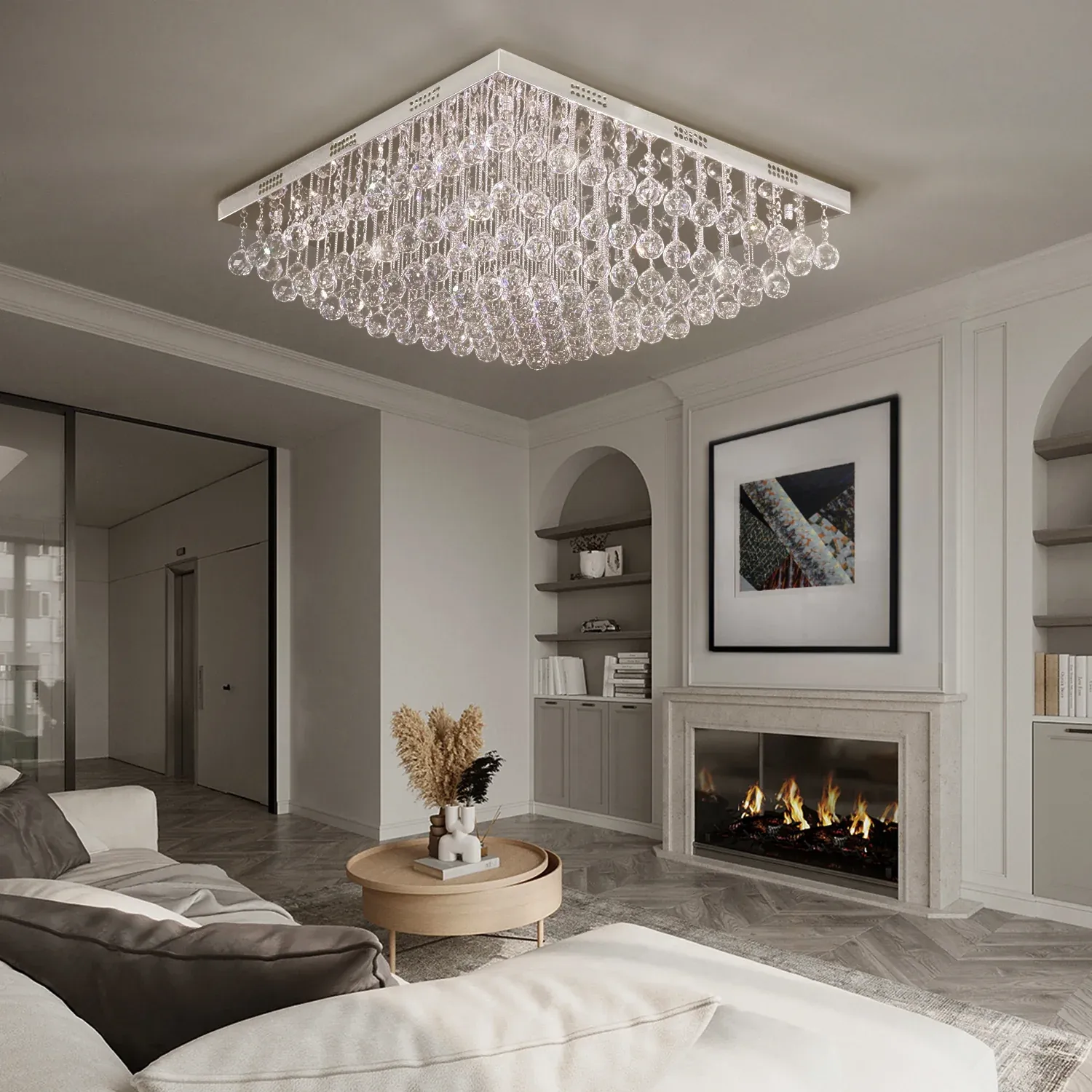
Crystal chandeliers exist to solve two needs at once: functional lighting and visual structure. In living rooms, where people gather, relax, and interact, lighting must be comfortable, evenly spread, and visually pleasing. A chandelier offers central lighting while acting as a design anchor for the room.
Importance: Why Living Room Crystal Chandeliers Matter Today
Living room lighting has evolved from purely functional fixtures to integrated design elements. Crystal chandeliers matter because they influence how a space feels, looks, and functions.
They are important for several reasons:
-
They provide centralized ambient lighting for shared spaces
-
They help define room scale and ceiling height
-
They influence mood through light reflection and diffusion
-
They complement interior styles ranging from minimal to decorative
For homeowners, renters, and interior planners, crystal chandeliers help address common challenges such as uneven lighting, visually empty ceilings, or lack of focal points. In open-plan homes, they also assist in visually separating the living area from adjoining spaces without physical barriers.
From a design perspective, crystal chandeliers contribute to visual balance. The sparkle of crystal diffuses light softly, reducing harsh shadows and creating a layered lighting effect when combined with wall lights or floor lamps.
Recent Updates: Design and Usage Trends
In recent months, living room crystal chandelier design has shifted toward practicality combined with visual simplicity. While classic multi-tiered chandeliers remain relevant, newer designs focus on cleaner lines and lighter structures.
Notable updates include:
-
Increased use of mixed materials such as crystal with metal or glass
-
Compact chandelier designs suitable for lower ceilings
-
Neutral-toned crystal finishes instead of heavy color accents
-
Improved light distribution using advanced bulb compatibility
Another noticeable trend is the emphasis on energy-efficient lighting integration. Many chandeliers are now designed to work with low-heat, long-life bulbs, reducing maintenance concerns while maintaining visual clarity.
There is also growing interest in modular chandelier designs. These allow adjustments in height or arrangement, making them adaptable to different living room sizes and layouts without structural changes.
Laws or Policies: Regulatory Considerations
Living room crystal chandeliers are indirectly influenced by building and electrical safety standards rather than specific decorative regulations. These rules typically focus on safe installation, electrical load limits, and ceiling support requirements.
General regulatory considerations include:
-
Electrical wiring standards for ceiling-mounted fixtures
-
Safety guidelines for weight-bearing ceiling structures
-
Fire safety rules related to heat generation and materials
-
Energy efficiency guidelines for residential lighting systems
Such regulations exist to ensure that lighting fixtures operate safely within homes. Compliance usually depends on following approved installation practices and using certified electrical components. While the chandelier itself is decorative, its integration into the home’s electrical system must align with established safety norms.
Tools and Resources: Helpful References and Planning Aids
Several tools and resources can help individuals understand, plan, and evaluate living room crystal chandeliers from a knowledge-based perspective.
Helpful tools and resources include:
-
Room lighting calculators for estimating illumination needs
-
Interior layout planners for ceiling fixture placement
-
Chandelier size reference charts based on room dimensions
-
Lighting design guides from architectural resources
-
Maintenance checklists for crystal care and cleaning
Below is a simplified reference table for understanding chandelier scale relative to living room size:
| Living Room Size | Suggested Chandelier Diameter | Visual Impact Level |
|---|---|---|
| Small | Compact profile | Subtle focal point |
| Medium | Moderate width | Balanced presence |
| Large | Wide or layered structure | Strong focal point |
For deeper understanding, educational blogs, design handbooks, and lighting science publications offer neutral insights into how reflective materials like crystal interact with light.
FAQs: Common Questions Explained
What is the main function of a crystal chandelier in a living room?
The main function is to provide ambient lighting while serving as a central visual element that enhances the room’s overall design.
Are crystal chandeliers suitable for modern living rooms?
Yes. Many contemporary designs use simplified crystal arrangements that align well with modern and minimalist interiors.
How does a crystal chandelier affect room lighting quality?
Crystal elements refract and scatter light, helping distribute brightness evenly and reducing harsh glare.
Do crystal chandeliers require special maintenance?
They require periodic cleaning to maintain clarity, but routine care is usually sufficient without complex procedures.
Can crystal chandeliers work in smaller living spaces?
Yes. Scaled-down designs are specifically created to suit smaller rooms without overwhelming the space.
Conclusion
Living room crystal chandeliers represent the intersection of lighting science and interior design. They exist to provide functional illumination while enhancing spatial character through reflection and form. Their importance lies in their ability to solve common lighting challenges while contributing to visual harmony.
Recent design updates show a clear movement toward adaptable, efficient, and visually balanced chandelier styles. Regulatory considerations ensure safety and reliability, while planning tools help users make informed decisions based on room layout and lighting needs.
By understanding how crystal chandeliers function, why they matter, and how they fit into modern living environments, readers can approach this lighting element with clarity and confidence. When used thoughtfully, a crystal chandelier becomes more than a fixture—it becomes an integral part of the living room experience.