Explore Juice Clarifiers: Tips, Facts, and Essential Knowledge for Clear Juice Production
Juice clarifiers are systems, processes, or substances used to remove suspended solids, pulp, and haze from fresh juice. When fruits are crushed or pressed, the resulting liquid often contains fine particles such as pectin, proteins, starch, and fiber. These particles cause cloudiness, reduce shelf stability, and can affect taste and appearance.
Clarification exists to improve clarity, consistency, and storage life of juice. Clear juice is preferred in many applications such as bottled beverages, concentrates, and processed food products. It also supports better filtration, packaging efficiency, and consumer acceptance.
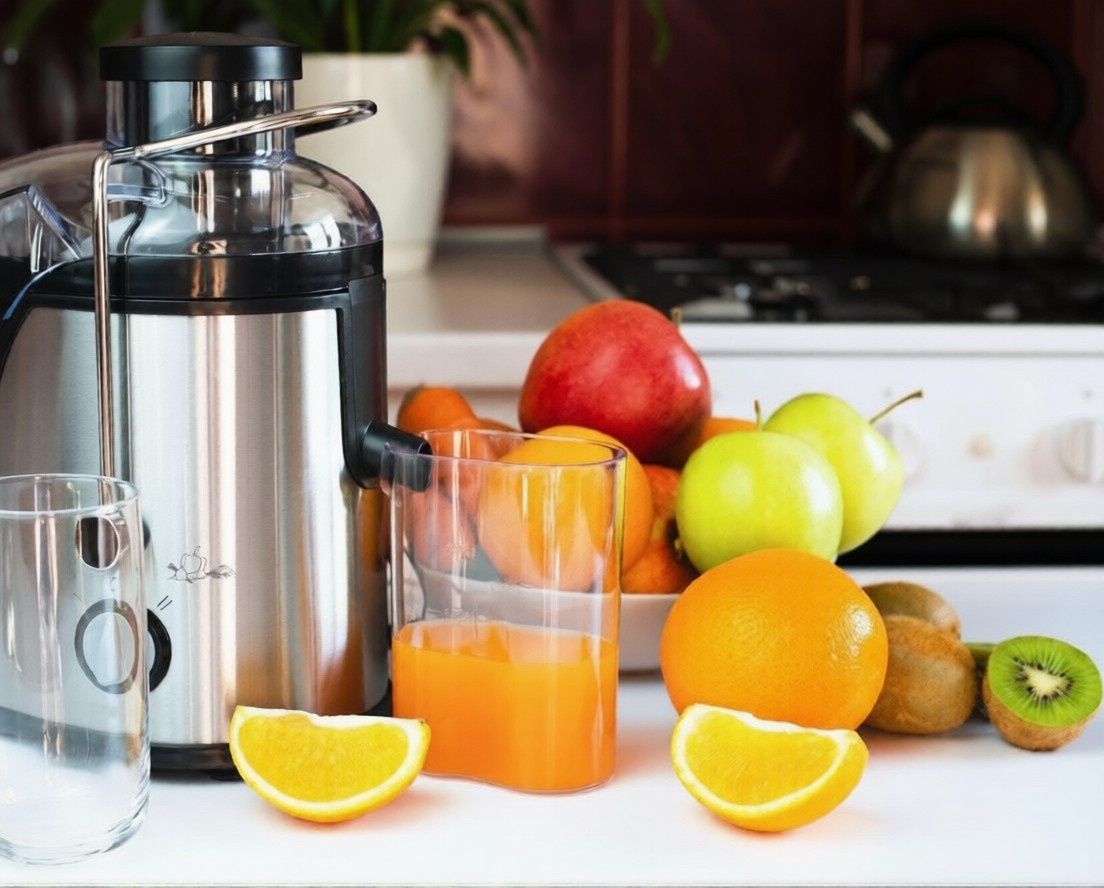
Juice clarification involves removing suspended particles such as pulp, pectin, and proteins from freshly extracted juice. This process improves clarity, stability, and overall product quality.
There are multiple methods used in clarification, including mechanical separation (filtration and centrifugation), enzymatic treatment (such as pectinase), and natural settling. The choice of method depends on the type of fruit, desired clarity, and production scale.
Importance – Why Juice Clarification Matters Today
Juice clarification plays a vital role in food processing and beverage manufacturing. It directly impacts visual appeal, shelf life, and processing efficiency.
By removing unwanted particles, the process helps manufacturers produce consistent and high-quality juice products. It also improves operational efficiency and reduces production challenges.
Key Benefits
- Improved shelf stability by reducing microbial growth risks
- Consistent product quality in color, taste, and texture
- Better filtration efficiency during processing
- Enhanced consumer appeal with clear, attractive products
- Reduced equipment clogging and smoother production flow
Who It Affects
- Beverage manufacturers
- Food processing industries
- Agricultural producers
- Quality control professionals
- Packaging and supply chain systems
Problems It Helps Solve
- Cloudiness and sediment formation
- Inconsistent product appearance
- Reduced shelf life
- Equipment blockages
- Inefficient processing cycles
Recent Updates – Trends and Developments
Juice clarification technology has advanced significantly, focusing on efficiency, sustainability, and quality retention.
Key Trends
- Growth of membrane filtration (ultrafiltration and microfiltration)
- Improved enzyme formulations for faster and better results
- Adoption of cold processing techniques to retain nutrients
- Use of automation and sensors for real-time turbidity monitoring
- Increased focus on sustainable and energy-efficient systems
Development Timeline
| Period | Key Development |
|---|---|
| Early Phase | Basic filtration and sedimentation |
| Mid Phase | Introduction of enzymatic clarification |
| Recent Phase | Membrane filtration and automation |
| Current Trend | Sustainable and low-energy processes |
These trends reflect a shift toward precision processing and reduced environmental impact.
Laws or Policies – Regulatory Considerations
Juice clarification is governed by food safety and processing regulations to ensure product quality and consumer safety.
Key Regulatory Areas
- Food safety standards to prevent contamination
- Approval of enzymes and clarifying agents for food use
- Labeling requirements for processed products
- Quality standards for clarity and turbidity levels
- Environmental rules for waste disposal
Regulatory Focus Areas
- Safe handling of raw materials
- Use of approved processing aids
- Traceability and proper documentation
- Equipment cleanliness and sanitation
Compliance with these regulations ensures safe, consistent, and legally acceptable products.
Tools and Resources – Solutions for Juice Clarification
Various tools and technologies support efficient clarification and quality control. These tools help maintain consistency and improve processing efficiency.
Common Equipment
- Centrifuges for high-speed solid separation
- Filter press systems for layered filtration
- Membrane filtration units for precise clarification
- Enzyme solutions to break down pectin
- Turbidity meters for clarity measurement
- pH meters for acidity control
- Temperature controllers for process stability
Digital and Technical Resources
- Process monitoring dashboards
- Quality control templates
- Standard operating procedure (SOP) guides
- Data logging systems
- Industry research publications
Comparison of Clarification Methods
| Method | Efficiency | Clarity Level | Complexity |
|---|---|---|---|
| Sedimentation | Low | Moderate | Simple |
| Enzymatic | High | High | Moderate |
| Filtration | High | High | Moderate |
| Centrifugation | Very High | High | Advanced |
| Membrane | Very High | Very High | Advanced |
Using the right method and tools helps achieve optimal clarity while maintaining product quality.
FAQs – Common Questions About Juice Clarifiers
What causes juice to become cloudy?
Cloudiness is caused by suspended particles like pectin, proteins, and fibers that remain after extraction.
Is clear juice better than cloudy juice?
Clear juice offers better shelf stability and consistency, while cloudy juice may retain more natural fiber and nutrients.
What is the role of enzymes?
Enzymes such as pectinase break down complex molecules, making it easier to remove particles and improve clarity.
Can clarification affect taste?
Yes, excessive clarification may slightly affect taste, but controlled processing maintains balance.
What is turbidity?
Turbidity refers to the level of cloudiness in juice and is used to measure clarity and processing effectiveness.
Conclusion
Juice clarification is an essential step in modern beverage production. It transforms raw juice into a clear, stable, and high-quality product using methods like filtration, enzymatic treatment, and membrane technology.
With increasing demand for quality and efficiency, clarification processes continue to evolve. Advances in automation, sustainability, and precision technologies are shaping the future of juice processing.