Explore Industrial Fluid Systems: Basics, Knowledge, and Key Insights
Industrial fluid systems refer to networks and technologies designed to move, control, and manage liquids or gases within industrial environments. These systems are commonly found in sectors such as manufacturing, construction, chemical processing, power generation, and water treatment. They rely on components like pumps, valves, pipelines, compressors, and control instruments to regulate the flow of fluids safely and efficiently.
The concept exists because many industrial processes depend on the controlled movement of fluids. For example, hydraulic systems transfer power through pressurized fluids, cooling systems circulate liquids to regulate temperature, and chemical plants use fluid networks to transport raw materials and finished products. Without structured fluid systems, these processes would become inefficient, unsafe, or difficult to scale.
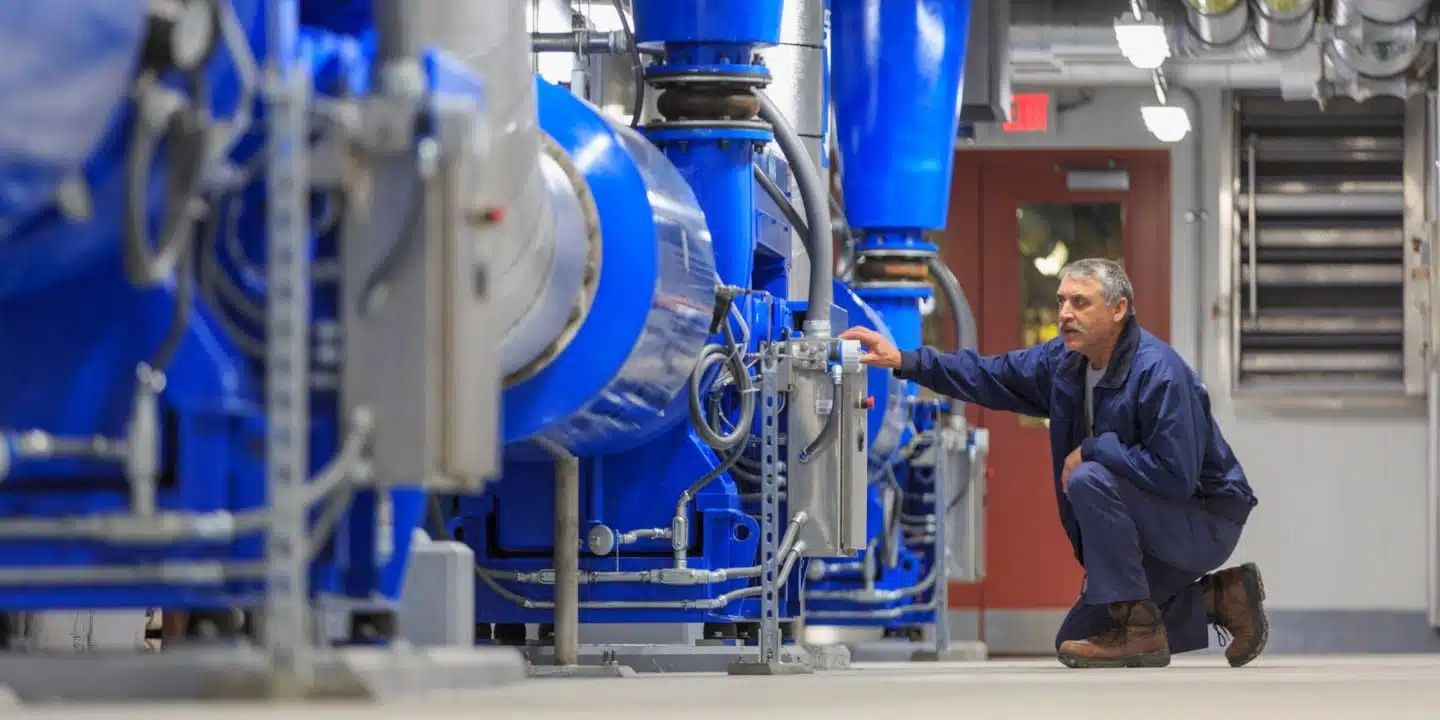
Historically, fluid systems developed alongside industrialization. Early mechanical systems relied on simple piping and manual valves. Over time, improvements in materials science, automation, and engineering design enabled more advanced systems capable of operating under higher pressure, temperature, and chemical exposure.
Today, industrial fluid systems combine mechanical engineering, automation, and digital monitoring technologies. Sensors, control software, and predictive maintenance platforms now allow operators to track system performance and maintain operational reliability.
Core Components Found in Industrial Fluid Systems
| Component | Purpose | Common Application |
|---|---|---|
| Pumps | Move liquids through pipelines | Water distribution, cooling systems |
| Valves | Control flow direction and pressure | Process control in factories |
| Pipes & Tubing | Transport fluids between components | Chemical and oil processing |
| Compressors | Increase gas pressure | Pneumatic systems |
| Sensors & Gauges | Monitor pressure, temperature, and flow | Industrial automation |
Understanding these components helps illustrate how complex fluid systems function within industrial environments.
Why Industrial Fluid Systems Matter Today
Industrial fluid systems play an essential role in modern infrastructure and industrial productivity. Many industries rely on precise fluid control to maintain safety, quality, and efficiency in their operations.
Manufacturing facilities often depend on hydraulic and pneumatic systems to power machinery and assembly equipment. Energy facilities use fluid systems to circulate cooling liquids and manage fuel or steam movement. In chemical processing environments, fluids must be transported through carefully designed pipelines that prevent contamination and maintain process stability.
Several factors explain why this topic has become increasingly important.
Operational Efficiency
Fluid systems influence how efficiently industrial processes run. Optimized systems reduce pressure loss, minimize energy consumption, and ensure consistent material flow. Efficient fluid movement can significantly improve production performance.
Safety and Reliability
Industrial environments frequently operate under high pressure and temperature conditions. Well-designed fluid systems reduce the risk of leaks, equipment failures, and operational disruptions.
Environmental Considerations
Modern industrial operations must manage fluids responsibly to prevent spills, emissions, or contamination. Monitoring systems help detect leaks and maintain safe fluid handling practices.
Infrastructure and Utility Systems
Fluid networks are also central to public infrastructure, including:
-
Water supply systems
-
Wastewater treatment facilities
-
District cooling and heating networks
-
Power plant cooling circuits
Because these systems support essential services, reliability and system monitoring remain critical.
Recent Developments and Technology Trends
In recent years, industrial fluid systems have evolved alongside advances in automation, digital monitoring, and energy efficiency technologies. These developments focus on improving reliability, system visibility, and sustainability.
Smart Monitoring Systems
Modern facilities increasingly integrate digital sensors into pipelines and equipment. These sensors collect real-time information about pressure, temperature, and flow rates. Data can then be analyzed using industrial monitoring platforms to detect anomalies.
Recent industry reports released during the past year highlight a growing adoption of predictive maintenance platforms. These platforms analyze sensor data to identify early signs of wear, corrosion, or pressure imbalance before failures occur.
Energy-Efficient Pump Technology
Pump technology has also seen improvements in efficiency. Variable-speed drives now allow pumps to adjust output according to system demand rather than running at constant speed. This approach can reduce energy consumption in large industrial systems.
Digital Twin Modeling
Engineering teams increasingly use digital twin models—virtual simulations of physical fluid systems—to analyze system behavior. These models allow engineers to test different operating conditions without disrupting real operations.
Advanced Materials
Materials used in industrial piping and valves continue to evolve. Modern alloys, composite materials, and corrosion-resistant coatings help extend equipment lifespan in challenging environments such as chemical plants or offshore installations.
Automation Integration
Fluid systems are becoming integrated into broader industrial automation frameworks. Industrial control systems now connect pumps, sensors, and valves into centralized monitoring platforms that provide system visibility.
These developments reflect a wider transition toward data-driven industrial infrastructure.
Regulatory and Policy Considerations
Industrial fluid systems operate within a framework of safety standards and environmental regulations. Governments and regulatory organizations often establish guidelines that influence how fluid systems are designed, maintained, and monitored.
These regulations generally focus on several areas.
Workplace Safety Standards
Many industrial safety frameworks require pressure equipment and pipelines to meet engineering safety standards. These guidelines often include:
-
Pressure rating requirements
-
Inspection schedules
-
Emergency shut-off procedures
-
Equipment certification
Such regulations help reduce risks associated with high-pressure systems.
Environmental Protection Policies
Environmental regulations often govern how industries manage fluids that may contain chemicals, oils, or pollutants. Industrial facilities may need monitoring systems to detect leaks and ensure proper containment.
Environmental frameworks typically address:
-
Hazardous fluid handling
-
Spill prevention strategies
-
Wastewater discharge standards
Infrastructure Compliance Programs
Public infrastructure projects involving water systems or district cooling networks may follow engineering standards that define acceptable materials, design practices, and testing procedures.
These policies ensure that fluid systems operate safely while protecting surrounding ecosystems and communities.
Tools and Resources for Understanding Fluid Systems
A wide range of digital tools and engineering resources can help researchers, students, and professionals understand industrial fluid systems.
Simulation and Engineering Software
Several software platforms assist engineers in modeling and analyzing fluid flow behavior.
-
Computational Fluid Dynamics (CFD) simulation software
-
Pipe flow analysis tools
-
Hydraulic system modeling platforms
These tools allow engineers to visualize pressure distribution, turbulence, and energy loss within complex systems.
Engineering Calculation Resources
Fluid system design often requires calculations related to flow rate, pressure drop, and pipe sizing. Online calculators and engineering spreadsheets can assist with these calculations.
Common calculation tools include:
-
Flow rate calculators
-
Pump performance analysis tools
-
Pressure loss estimation templates
Educational Resources and Knowledge Platforms
Academic institutions, engineering organizations, and research publications provide educational materials covering fluid dynamics and industrial system design.
These resources may include:
-
Technical research journals
-
engineering handbooks
-
industrial process documentation
-
training modules on hydraulic and pneumatic systems
System Monitoring Platforms
Digital monitoring platforms allow facilities to track fluid system performance in real time. These platforms collect sensor data and generate visual dashboards that display system behavior.
Example monitoring features include:
-
pressure trend graphs
-
flow rate dashboards
-
system alert notifications
A simple example of a fluid system monitoring visualization might look like this.
| Parameter | Normal Range | Monitoring Purpose |
|---|---|---|
| Pressure | Stable operating range | Detect system stress |
| Flow Rate | Process-specific levels | Ensure consistent output |
| Temperature | Controlled limits | Prevent overheating |
These tools help operators maintain stable system performance.
Frequently Asked Questions
What is an industrial fluid system?
An industrial fluid system is a network of equipment designed to transport and control liquids or gases in industrial processes. It typically includes pumps, pipes, valves, sensors, and control mechanisms that regulate fluid flow.
What industries use fluid systems most often?
Fluid systems are widely used in manufacturing, chemical processing, energy production, construction equipment, water treatment, and oil and gas infrastructure.
What is the difference between hydraulic and pneumatic systems?
Hydraulic systems use liquids, usually oil or water, to transmit power under pressure. Pneumatic systems use compressed gases such as air to generate motion or operate machinery.
Why is monitoring important in fluid systems?
Monitoring helps detect pressure changes, leaks, or system imbalances. Early detection of these issues can prevent equipment damage and improve operational reliability.
How do engineers analyze fluid flow in complex systems?
Engineers often use simulation tools, mathematical models, and sensor data to analyze fluid flow patterns. These methods help predict system behavior and improve system design.
Conclusion
Industrial fluid systems form a foundational part of modern industry and infrastructure. From manufacturing plants to energy facilities and water treatment networks, these systems enable the controlled movement of liquids and gases necessary for industrial operations.
Understanding how fluid systems work requires knowledge of mechanical components, flow dynamics, monitoring technologies, and regulatory frameworks. Advances in digital monitoring, energy-efficient equipment, and simulation tools continue to shape how these systems are designed and maintained.
As industries adopt more automated and data-driven technologies, fluid systems are becoming increasingly integrated with digital control platforms. This evolution reflects a broader shift toward smarter industrial infrastructure that prioritizes safety, efficiency, and environmental responsibility.