Explore Industrial Fire Protection: Basics, Facts, and Key Information
Industrial fire protection refers to the systems, practices, and technologies designed to prevent, detect, control, and respond to fires in industrial environments such as factories, warehouses, power plants, refineries, and processing facilities. These environments handle large machinery, electrical loads, combustible materials, and complex processes, which increases fire risk compared to residential or small commercial spaces.
The purpose of industrial fire protection exists for one central reason: to reduce fire-related risk to human life, infrastructure, and continuity of operations. Even a small ignition source in an industrial setting can escalate quickly due to fuel loads, high temperatures, and interconnected systems. Fire protection frameworks are therefore built to anticipate hazards, limit fire spread, and support safe evacuation and emergency response.
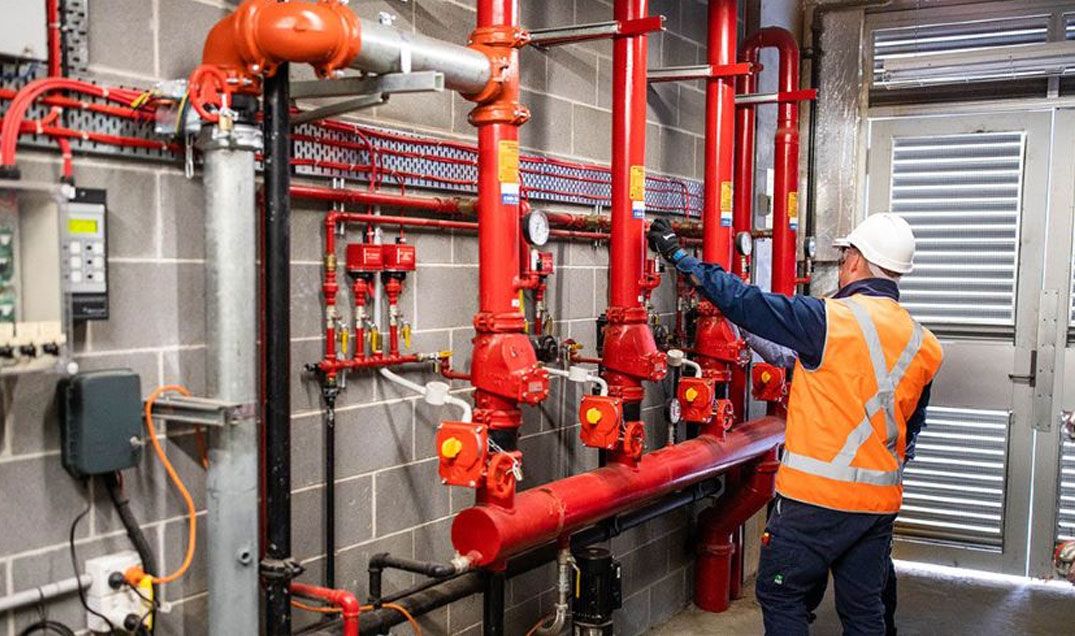
Unlike general fire safety, industrial fire protection is process-focused. It considers how materials are stored, how machines operate, and how people move within facilities. This makes it a core part of industrial risk management, safety engineering, and compliance planning.
Why Industrial Fire Protection Matters Today
Industrial fire protection matters because industrial activity continues to expand in scale and complexity. Modern facilities rely heavily on automation, energy-intensive equipment, and chemical processes. These advancements improve productivity but also introduce new ignition sources and fire behavior patterns.
This topic affects multiple groups, including:
-
Workers and on-site personnel
-
Facility owners and operators
-
Emergency response teams
-
Insurers and risk assessors
-
Regulators and safety auditors
Industrial fire incidents can result in injuries, environmental damage, long-term shutdowns, and supply chain disruptions. Effective fire protection helps address problems such as:
-
Rapid fire spread in large enclosed spaces
-
Electrical and machinery-related ignition risks
-
Storage of flammable liquids, gases, or dust
-
Limited visibility and access during emergencies
From a broader perspective, industrial fire protection supports operational resilience. Facilities with well-designed fire protection systems are better equipped to limit damage, maintain safety compliance, and reduce the overall impact of unexpected incidents. This is why high-value keywords such as industrial fire risk assessment, fire safety compliance, loss prevention strategies, and fire protection system design are frequently associated with this field.
Recent Updates and Emerging Trends
In the recent past, industrial fire protection has evolved due to technological innovation and lessons learned from major industrial incidents. One key trend is the increased use of smart detection and monitoring systems. Sensors integrated with building management platforms now allow early fire detection, real-time alerts, and data-driven analysis of fire risks.
Another notable development is the growing focus on fire safety during the design phase of industrial facilities. Instead of retrofitting systems later, fire protection engineering is increasingly embedded into early planning stages. This approach improves system reliability and simplifies compliance documentation.
There has also been increased attention on lithium-ion battery storage, renewable energy infrastructure, and automated warehouses. These environments present unique fire characteristics, leading to updated guidance and revised technical recommendations from professional safety organizations such as National Fire Protection Association and similar standard-setting bodies worldwide.
Training methods have also advanced. Virtual simulations and digital fire drills are now used to prepare workers for emergency scenarios without disrupting operations. These updates reflect a shift toward proactive and predictive fire safety management rather than reactive response alone.
How Rules and Regulations Influence Industrial Fire Protection
Industrial fire protection is closely shaped by regulatory frameworks and safety standards. Rules typically define minimum requirements for fire detection, suppression, emergency exits, signage, and maintenance practices. While specific legal texts vary by jurisdiction, the underlying principles remain consistent: prevent ignition, control fire growth, and protect occupants.
Policies often require:
-
Fire risk assessments at regular intervals
-
Documentation of fire protection system performance
-
Training and drills for employees
-
Clear emergency response planning
In many regions, insurance guidelines also play a role alongside regulations. Insurers assess fire risk profiles before providing coverage, which indirectly encourages facilities to adopt robust fire protection measures. Compliance is therefore not only a legal expectation but also a practical necessity for long-term industrial operations.
Tools and Resources That Support Fire Protection Planning
A wide range of tools and resources support industrial fire protection planning and management. These tools help engineers, safety officers, and facility managers make informed decisions.
Commonly used resources include:
-
Fire risk assessment checklists and templates
-
Computer-based fire modeling and simulation software
-
Digital maintenance logs for fire protection equipment
-
Emergency response planning templates
-
Online knowledge bases and technical guidance documents
Below is a simple overview table showing how different tools are typically used:
| Tool or Resource Type | Primary Purpose | Typical Users |
|---|---|---|
| Fire modeling software | Predict fire behavior and spread | Fire engineers |
| Risk assessment templates | Identify and document hazards | Safety managers |
| Detection system dashboards | Monitor alarms and sensors | Control room staff |
| Training simulations | Improve emergency preparedness | Employees |
| Compliance documentation tools | Track inspections and audits | Facility management |
These resources contribute to better decision-making and help align fire protection strategies with operational realities.
Frequently Asked Questions About Industrial Fire Protection
What makes industrial fire protection different from general fire safety?
Industrial fire protection focuses on complex processes, heavy machinery, and large-scale operations. It addresses higher fuel loads, specialized hazards, and process-specific risks that are not common in residential or small commercial settings.
Which fire protection systems are commonly used in industrial facilities?
Common systems include fire detection and alarm systems, automatic suppression systems, passive fire protection elements, and emergency communication systems. The exact combination depends on the nature of the industrial activity.
How often should fire protection systems be evaluated?
Regular evaluation is essential. Inspections, testing, and reviews are typically conducted at defined intervals to ensure systems function as intended and remain aligned with risk profiles.
Does industrial fire protection only focus on equipment?
No. While equipment is important, industrial fire protection also includes procedures, training, emergency planning, and management practices that support safe behavior and rapid response.
How does fire risk assessment fit into industrial safety planning?
Fire risk assessment is a foundational activity. It identifies potential ignition sources, evaluates consequences, and informs the selection of appropriate fire protection measures.
Key Facts and Practical Insights
To better understand the scope of industrial fire protection, consider the following summarized facts:
-
Fire protection is both a technical and organizational discipline
-
Early detection significantly reduces fire impact
-
Passive measures are as important as active systems
-
Human training and awareness influence outcomes
-
Continuous improvement is essential due to changing processes
A simplified process flow can be described as:
Hazard identification → Risk evaluation → System selection → Implementation → Monitoring and review
This cycle highlights that industrial fire protection is ongoing rather than a one-time activity.
Conclusion
Industrial fire protection plays a critical role in safeguarding people, infrastructure, and industrial continuity. It exists because industrial environments carry unique and elevated fire risks that require structured, engineered solutions. Its importance continues to grow as facilities become more automated, energy-intensive, and interconnected.
By understanding the context, recognizing its importance, staying aware of recent developments, respecting regulatory influence, and using appropriate tools and resources, organizations can better manage fire-related risks. Industrial fire protection is ultimately about preparedness, resilience, and informed decision-making—principles that remain relevant across all industrial sectors.