Explore Industrial Fan Blades: Guide, Basics, Explanation, Knowledge and Key Details
Industrial fan blades are key components used in ventilation and air-movement systems within factories, warehouses, power plants, and large commercial spaces. These blades are designed to move large volumes of air efficiently in environments where natural airflow is not enough to maintain safe temperatures, remove airborne particles, or circulate fresh air.
Unlike household fans, industrial fan blades are engineered to operate in demanding conditions. They may run continuously, handle heavy airflow loads, and work in environments with heat, dust, or chemical exposure. Because of these requirements, the design and materials used in industrial fan blades are carefully developed to maintain durability, stability, and aerodynamic efficiency.
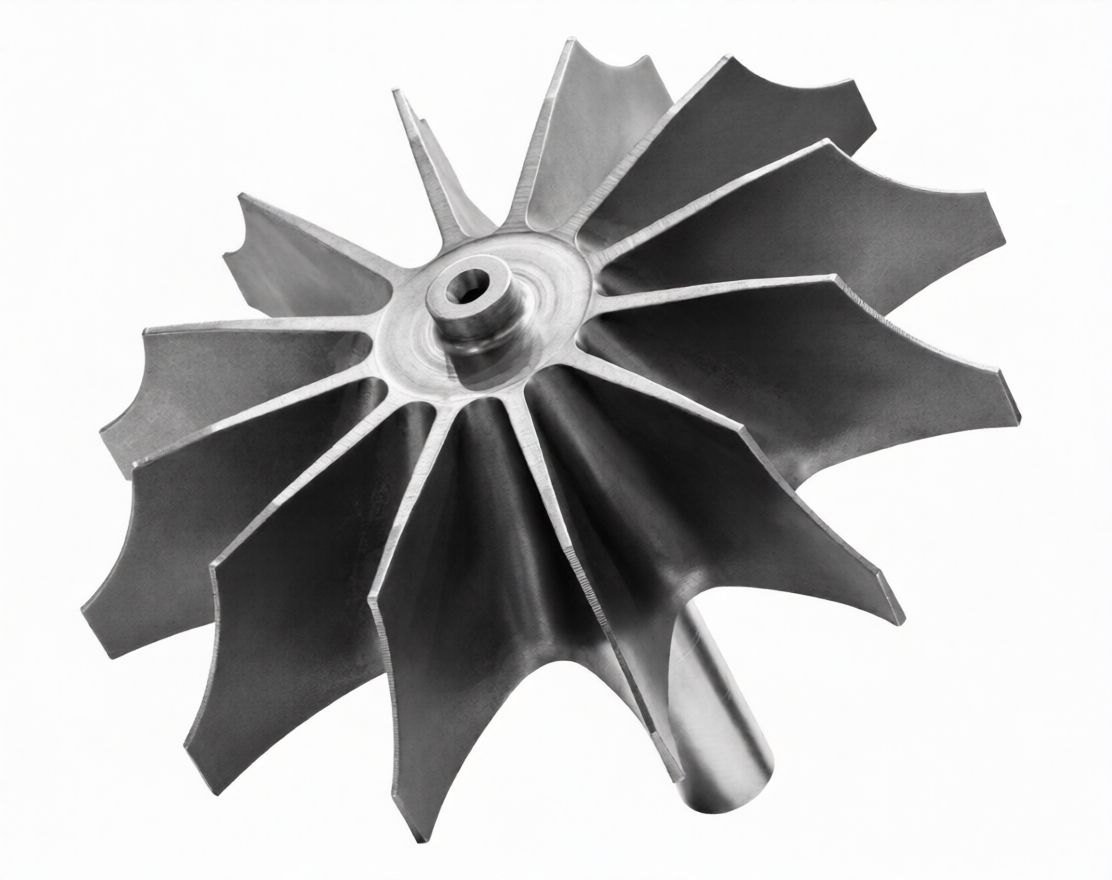
Industrial ventilation systems emerged as industries expanded and production environments became larger and more complex. Manufacturing processes often generate heat, fumes, and airborne particles. Without proper airflow, these conditions can affect equipment performance and workplace safety. Industrial fan blades therefore exist as a practical solution to support air circulation, temperature control, and environmental management in large-scale facilities.
From an engineering perspective, industrial fan blades combine principles from aerodynamics, materials science, and mechanical design. Blade shape, pitch, and angle influence how effectively air moves through a space. Engineers analyze airflow patterns to design blades that deliver consistent performance while minimizing vibration and mechanical stress.
Common types of industrial fan blades include axial blades, centrifugal blades, and mixed-flow blades. Each design is suited to different airflow requirements. Axial blades move air parallel to the fan shaft, while centrifugal blades push air outward through rotational force. Mixed-flow designs combine characteristics of both.
Why Industrial Fan Blades Matter in Modern Industry
Industrial fan blades play a significant role in maintaining safe and efficient industrial operations. Air circulation may seem like a simple process, but in large facilities it directly affects working conditions, equipment performance, and environmental control.
Large manufacturing plants often produce heat during processes such as metal forming, welding, or power generation. Without airflow systems, temperatures can rise quickly and create uncomfortable or unsafe conditions. Industrial fan blades help distribute air evenly across the space, reducing localized heat buildup.
Another important function is air quality management. Industrial processes may release dust, fumes, or small airborne particles. Ventilation systems equipped with well-designed fan blades help transport contaminated air toward filtration systems or exhaust outlets.
Industrial fan blades also support:
-
Temperature regulation within large facilities
-
Air circulation in storage warehouses
-
Cooling systems for machinery and equipment
-
Dust and particle control in processing plants
-
Ventilation in tunnels, mining operations, and large buildings
In modern facility design, airflow management is part of broader environmental control strategies. Engineers study airflow dynamics to ensure that ventilation systems operate efficiently without wasting energy or causing unnecessary mechanical wear.
The impact of industrial fan blades extends beyond heavy manufacturing. Large commercial buildings, logistics centers, and indoor agriculture facilities also rely on industrial air-movement systems.
Common Industrial Fan Blade Materials and Characteristics
Industrial fan blades are manufactured using different materials depending on the environment and airflow requirements. Material selection influences durability, corrosion resistance, and weight.
| Material Type | Key Characteristics | Typical Applications |
|---|---|---|
| Aluminum | Lightweight and corrosion resistant | Warehouses, HVAC systems |
| Steel | High strength and durability | Heavy industrial plants |
| Stainless Steel | Resistant to moisture and chemicals | Food processing, marine environments |
| Composite Materials | Lightweight with strong structural properties | Advanced ventilation systems |
Engineers also consider blade geometry, which affects airflow efficiency.
| Blade Feature | Purpose |
|---|---|
| Blade Pitch | Determines airflow direction and volume |
| Blade Curvature | Improves aerodynamic efficiency |
| Blade Width | Influences airflow pressure |
| Hub Design | Stabilizes blade rotation |
These design features help optimize airflow performance while maintaining mechanical stability.
Recent Developments and Industry Trends
Industrial ventilation technologies continue to evolve as industries focus on energy efficiency and workplace environmental standards. Over the past year, several trends have influenced the development of industrial fan blades.
One noticeable trend is the increased use of aerodynamic blade designs inspired by computational fluid dynamics modeling. Engineers simulate airflow digitally to optimize blade shapes before manufacturing. This process helps improve airflow efficiency and reduce energy consumption in ventilation systems.
Another development is the use of advanced composite materials. These materials allow blades to maintain strength while reducing weight. Lighter blades can improve mechanical balance and reduce stress on fan motors.
Digital monitoring has also become more common. Industrial ventilation systems increasingly integrate sensors that track airflow, vibration levels, and rotational speed. These systems allow maintenance teams to monitor fan performance and detect early signs of mechanical imbalance.
Noise reduction has also become an important focus. Industrial environments often contain multiple machines operating simultaneously. Engineers are designing blade profiles that reduce turbulence and lower operational noise levels.
Environmental considerations are also shaping industrial ventilation technologies. Facilities are increasingly studying airflow efficiency to minimize energy waste while maintaining proper ventilation.
Regulatory and Safety Considerations
Industrial ventilation equipment, including fan blades, is typically influenced by safety guidelines, engineering standards, and workplace environmental regulations. These standards aim to ensure that air-movement systems operate safely and maintain appropriate environmental conditions in workplaces.
Several types of standards influence the design and operation of industrial fan systems:
-
Workplace air quality standards
-
Mechanical equipment safety guidelines
-
Ventilation performance requirements
-
Industrial noise control standards
-
Equipment maintenance and inspection practices
Organizations responsible for industrial safety often publish technical recommendations related to ventilation systems. These guidelines address airflow rates, filtration requirements, and equipment safety considerations.
Engineering standards organizations also provide design frameworks for rotating machinery and ventilation systems. These frameworks help manufacturers and engineers maintain consistency in equipment design and performance expectations.
Compliance with these guidelines supports safer working environments and improves long-term system reliability.
Tools and Resources for Understanding Industrial Fan Systems
A variety of digital tools and educational resources help engineers, facility planners, and researchers study industrial fan performance and ventilation design.
Commonly used resources include:
Airflow Calculators
-
Used to estimate airflow volume in ventilation systems
-
Help analyze airflow requirements for large spaces
Engineering Simulation Software
-
Allows modeling of airflow patterns and blade design
-
Helps predict efficiency and airflow behavior
Ventilation Design Guides
-
Provide technical explanations of airflow principles
-
Often include diagrams and engineering formulas
Industry Standards Publications
-
Explain recommended practices for ventilation equipment
-
Include safety considerations and design principles
Mechanical Engineering Educational Platforms
-
Offer tutorials on aerodynamics and rotating machinery
-
Help learners understand fan blade design concepts
Example airflow estimation table used in ventilation planning:
| Space Type | Typical Airflow Consideration |
|---|---|
| Manufacturing Area | Higher airflow due to heat generation |
| Storage Warehouse | Moderate airflow for air circulation |
| Processing Facilities | Controlled airflow with filtration |
| Large Commercial Buildings | Balanced airflow for comfort |
These resources assist engineers and planners in designing systems that maintain airflow balance across large facilities.
Frequently Asked Questions
What is the main purpose of industrial fan blades?
Industrial fan blades move air through ventilation systems. They help circulate air, control temperature, and remove airborne particles from large industrial or commercial spaces.
How are industrial fan blades different from household fan blades?
Industrial fan blades are designed for larger airflow volumes and continuous operation. They are usually built with stronger materials and engineered to withstand demanding environments.
What factors influence fan blade performance?
Performance depends on blade pitch, curvature, rotational speed, airflow resistance, and material properties. These factors determine how efficiently air moves through the system.
Why is blade balance important in industrial fans?
Balanced blades help reduce vibration during operation. Proper balance improves mechanical stability and reduces wear on motors and bearings.
How do engineers design efficient fan blades?
Engineers use aerodynamic principles, airflow simulations, and mechanical testing to design blade shapes that optimize airflow while maintaining structural stability.
Conclusion
Industrial fan blades are essential components within ventilation systems used in manufacturing plants, warehouses, and large commercial facilities. Their primary function is to support effective air movement, which helps regulate temperature, maintain air quality, and support safe working conditions.
Over time, the design of industrial fan blades has evolved through advances in aerodynamics, materials science, and digital engineering tools. Modern designs aim to improve airflow efficiency, reduce mechanical stress, and support quieter operation.