Explore Industrial Cutting Machines: Overview, Tips, and Practical Knowledge
Industrial cutting machines are specialized mechanical or automated systems designed to cut, shape, or trim materials into precise dimensions. These machines are widely used in manufacturing, metal fabrication, construction, automotive production, aerospace engineering, and electronics assembly.
The primary purpose of industrial cutting machines is to improve accuracy, efficiency, and consistency when working with materials such as metal, plastic, wood, composites, and textiles. Instead of manual cutting methods, which may lack precision and speed, these machines use advanced technologies such as laser beams, plasma arcs, high-pressure water jets, and computer numerical control (CNC) systems.
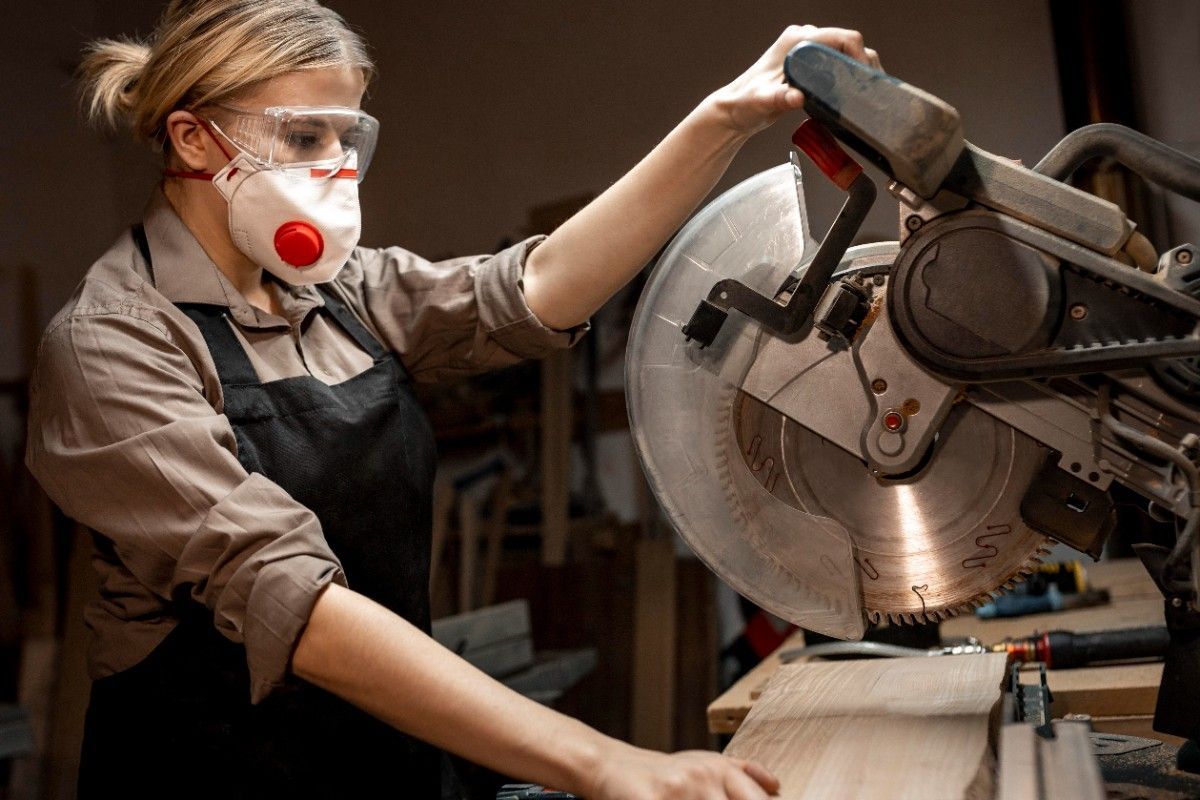
Common types of industrial cutting machines include:
-
Laser cutting machines
-
Plasma cutting systems
-
Waterjet cutting equipment
-
CNC milling and routing machines
-
Industrial band saws and shearing machines
Each type operates on different principles. For example, laser cutting technology uses a concentrated light beam to melt or vaporize material, while waterjet systems use high-pressure streams of water, sometimes mixed with abrasives, to cut through thick materials without heat distortion.
The development of CNC cutting systems has significantly transformed modern manufacturing. By integrating software-driven commands, these machines can execute complex designs with minimal human intervention, supporting high-precision industrial automation solutions.
Importance – Why Industrial Cutting Machines Matter Today
Industrial cutting machines play a central role in global production systems. As industries move toward precision engineering equipment and automated processes, accurate material processing becomes increasingly important.
These machines affect:
-
Manufacturing companies
-
Fabrication workshops
-
Infrastructure and construction projects
-
Automotive and aerospace industries
-
Electronics and appliance production
Modern industries require tight tolerances and consistent output. Manual cutting methods are often insufficient for meeting today’s standards. CNC cutting systems allow operators to produce repeatable, high-precision components while reducing material waste.
Key problems these machines help solve include:
-
Inconsistent product dimensions
-
Slow production cycles
-
High material waste
-
Worker safety risks from manual cutting
-
Limited scalability in large production environments
The shift toward digital manufacturing and smart factories has also increased demand for advanced industrial automation solutions. Machines integrated with software platforms can monitor performance, optimize cutting paths, and reduce downtime.
The following table compares major industrial cutting technologies:
| Technology | Best For | Heat Impact | Precision Level | Typical Use Case |
|---|---|---|---|---|
| Laser Cutting | Thin to medium metals | High | Very High | Automotive panels |
| Plasma Cutting | Thick conductive metals | High | Moderate | Structural steel |
| Waterjet Cutting | Heat-sensitive materials | None | High | Aerospace parts |
| CNC Milling/Routing | Solid material shaping | Low | Very High | Machine components |
| Industrial Band Saw | Straight cuts in metal/wood | None | Moderate | Fabrication shops |
This comparison highlights how each system serves specific operational needs in metal fabrication machinery and precision manufacturing environments.
Recent Updates – Trends and Developments in Industrial Cutting Technology
In recent months, several technological trends have influenced the industrial cutting machines sector.
Automation and Artificial Intelligence Integration
Manufacturers have increasingly integrated AI-driven software into CNC cutting systems. These systems analyze cutting paths, detect wear patterns, and optimize tool movements. AI-based predictive maintenance reduces unexpected downtime and improves operational reliability.
Energy-Efficient Cutting Solutions
Energy efficiency has become a focus area. New-generation laser cutting technology now uses fiber laser systems that consume less power while delivering higher precision. This trend aligns with sustainability goals in industrial operations.
Digital Twin Technology
Digital twin applications are gaining attention in precision engineering equipment. These virtual models simulate machine performance before actual operation, allowing engineers to adjust parameters and reduce material waste.
Remote Monitoring and IoT Connectivity
Many industrial automation solutions now include IoT-enabled sensors. Operators can monitor temperature, vibration, and system status through centralized dashboards. This enhances safety and data-driven decision-making.
Growth in Hybrid Cutting Systems
Hybrid systems combining multiple cutting technologies are also emerging. For example, machines that integrate laser and plasma cutting equipment provide flexibility in handling various materials within a single setup.
These updates reflect a broader movement toward smart manufacturing environments where efficiency, precision, and data transparency are central priorities.
Laws or Policies – Regulatory and Compliance Considerations
Industrial cutting machines operate within regulatory frameworks designed to ensure safety, environmental protection, and worker welfare.
Occupational Safety Regulations
Governments typically require manufacturers to follow workplace safety standards related to machinery guarding, emergency stop mechanisms, and operator training. High-energy systems such as laser cutting machines must comply with radiation safety guidelines.
Environmental Regulations
Plasma cutting equipment and laser systems may generate fumes and emissions. Regulations often require proper ventilation systems and filtration units to minimize air pollution. Wastewater from waterjet cutting systems may also need to meet discharge standards.
Machinery Certification Standards
Industrial equipment frequently requires compliance with national or international machinery safety standards. Certification ensures that machines meet design, electrical, and operational safety benchmarks.
Energy Efficiency Programs
Some governments promote energy-efficient manufacturing equipment through policy frameworks encouraging reduced energy consumption. Advanced CNC cutting systems that minimize power use align with these regulatory goals.
Data Protection and Digital Compliance
As industrial automation solutions become more connected, cybersecurity regulations may apply. Protecting operational data and preventing unauthorized access to digital manufacturing systems has become increasingly important.
Compliance with these regulations supports safer workplaces and sustainable industrial growth.
Tools and Resources – Helpful Platforms and Practical Aids
Several digital tools and resources support the use and management of industrial cutting machines.
Design and Simulation Software
-
CAD software for designing components
-
CAM software for generating CNC tool paths
-
Digital twin simulation platforms
Maintenance Tracking Systems
-
Machine performance dashboards
-
Predictive maintenance analytics tools
-
IoT-based monitoring systems
Energy Consumption Calculators
-
Industrial energy monitoring software
-
Carbon footprint assessment tools
Training Resources
-
Online technical training modules
-
Safety compliance guidelines
-
Equipment manuals and digital documentation systems
Below is a simplified example of how production efficiency may improve after automation:
| Production Method | Output per Shift | Error Rate | Material Waste |
|---|---|---|---|
| Manual Cutting | 120 units | 8% | High |
| Basic CNC System | 250 units | 3% | Moderate |
| Advanced Automated CNC | 400 units | 1% | Low |
This illustrates how advanced metal fabrication machinery can enhance productivity while reducing error rates and material waste.
FAQs – Frequently Asked Questions
What is the difference between laser cutting and plasma cutting?
Laser cutting uses a concentrated beam of light for precise, clean cuts, especially on thin materials. Plasma cutting uses an electrically conductive gas to cut thicker metals and is generally suited for heavy-duty applications.
Are industrial cutting machines safe to operate?
Yes, when operated according to safety guidelines and regulatory standards. Proper training, protective equipment, and machine safeguards significantly reduce operational risks.
What materials can waterjet cutting systems process?
Waterjet cutting systems can process metals, glass, ceramics, stone, rubber, and composites. Because they do not generate heat, they are suitable for heat-sensitive materials.
How does CNC technology improve precision?
CNC cutting systems follow computer-programmed instructions, ensuring consistent and repeatable cuts. This reduces human error and enhances dimensional accuracy.
Do industrial cutting machines require regular maintenance?
Yes. Routine inspection of cutting heads, alignment systems, cooling units, and software updates ensures consistent performance and prevents unexpected downtime.
Conclusion
Industrial cutting machines form the foundation of modern manufacturing and precision engineering. From laser cutting technology to waterjet cutting systems and plasma cutting equipment, these machines enable accurate, efficient, and scalable production processes.
As industries move toward digital transformation and smart factories, CNC cutting systems and industrial automation solutions are becoming increasingly advanced. Recent developments such as AI integration, energy-efficient designs, and IoT-based monitoring demonstrate the sector’s continuous evolution.
Regulatory compliance, safety standards, and environmental policies play a vital role in shaping how these machines are designed and operated. By understanding the technology, legal considerations, and available digital tools, organizations can maintain efficient and responsible manufacturing practices.