Explore Industrial Conveyor Rollers: Basics, Overview, and Key Information
Industrial conveyor rollers are cylindrical mechanical components designed to support, guide, and move materials efficiently along a conveyor system. They exist to reduce manual handling, improve movement consistency, and support continuous operations in environments where goods, raw materials, or packages must be transferred from one point to another.
These rollers are commonly arranged in a fixed frame and allow items to move either by gravity or through powered systems. Over time, conveyor roller systems have become a foundational element of industrial automation, helping facilities maintain steady workflows with minimal interruption.
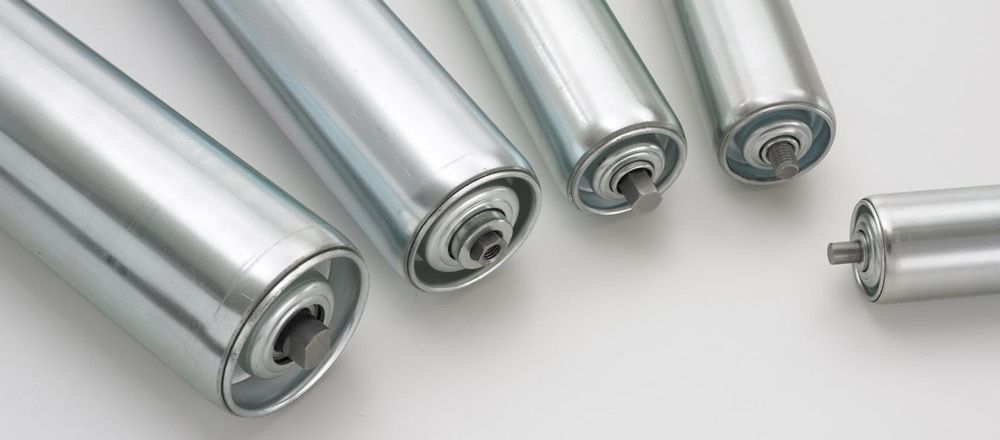
In modern industrial settings, conveyor rollers are not limited to large factories. They are also used in warehouses, distribution centers, processing plants, and assembly lines. Their simple mechanical design enables smooth movement while maintaining durability under repeated use.
Importance: Why Industrial Conveyor Rollers Matter
Industrial conveyor rollers play a critical role in material handling operations. Their importance lies in their ability to streamline movement, improve accuracy, and support operational efficiency across various industries.
Key reasons this topic matters today include:
-
Growing reliance on automated material handling systems
-
Increased demand for consistent and traceable workflows
-
Need to reduce physical strain in repetitive handling tasks
-
Support for scalable and modular production layouts
Industries that are directly affected include manufacturing, logistics, food processing, mining, and packaging. Conveyor rollers help solve common operational challenges such as congestion, uneven material flow, and handling delays.
By enabling controlled movement, these systems also help reduce damage to materials and maintain better organization within industrial facilities. Their relevance continues to grow as industries focus on efficiency, reliability, and system integration.
Recent Updates: Trends and Developments
In recent times, industrial conveyor roller technology has seen noticeable improvements driven by automation and digital monitoring needs. While the core function remains mechanical, design enhancements are shaping modern systems.
Notable developments include:
-
Increased use of corrosion-resistant and lightweight materials
-
Integration with sensor-based monitoring systems
-
Improved roller bearings for extended operational life
-
Modular roller designs for easier system reconfiguration
There has also been a shift toward quieter roller mechanisms, especially in indoor facilities where noise control is important. Additionally, sustainability considerations have influenced material choices, leading to more recyclable and energy-efficient designs.
These updates reflect a broader trend toward smart material handling solutions that align with automated and data-driven industrial environments.
Laws or Policies: Regulatory Influence on Conveyor Systems
Industrial conveyor rollers are influenced by general safety and operational regulations that govern industrial machinery. These rules focus on ensuring safe operation, structural reliability, and proper installation practices.
Common regulatory considerations include:
-
Machinery safety standards related to moving parts
-
Guidelines for load limits and structural stability
-
Requirements for protective guards and emergency access
-
Workplace safety policies covering mechanical systems
Although specific regulations vary by region, most frameworks emphasize worker safety, risk reduction, and compliance with established engineering standards. Conveyor roller systems are typically assessed as part of larger material handling or machinery safety inspections.
Adhering to these rules helps maintain consistent operational practices and reduces the likelihood of mechanical failures or workplace incidents.
Tools and Resources: Helpful Support Materials
Several tools and resources can help professionals and learners understand and work with industrial conveyor rollers more effectively.
Useful resources include:
-
Conveyor roller specification charts
-
Load calculation worksheets
-
Material handling design guides
-
Maintenance scheduling templates
-
Educational websites focused on industrial automation
-
Engineering handbooks covering conveyor system basics
Digital simulation tools are also used to visualize roller layouts and predict material flow behavior. These resources support better planning, accurate system configuration, and improved understanding of conveyor roller fundamentals.
Types of Industrial Conveyor Rollers
Industrial conveyor rollers are categorized based on function, material, and application. Common types include:
-
Gravity rollers for unpowered movement
-
Powered rollers driven by motors
-
Heavy-duty rollers for high-load applications
-
Tapered rollers for curved conveyor paths
-
Impact rollers for shock absorption
Each type is designed to address specific operational requirements, ensuring optimal performance across different environments.
Common Materials Used
The choice of material directly affects roller performance and durability.
| Material Type | Key Characteristics | Typical Use |
|---|---|---|
| Steel | High strength and load capacity | Heavy industrial environments |
| Stainless Steel | Corrosion resistance | Hygienic or moist conditions |
| Aluminum | Lightweight and durable | Medium-load applications |
| Plastic | Low noise and friction | Light-duty handling |
Material selection depends on load weight, environmental conditions, and movement frequency.
Performance Factors to Consider
Several factors influence how well conveyor rollers perform:
-
Load capacity and distribution
-
Roller diameter and spacing
-
Bearing quality and alignment
-
Environmental exposure
-
Speed and movement pattern
Understanding these elements helps ensure reliable operation and system longevity.
FAQs: Frequently Asked Questions
What is the primary function of industrial conveyor rollers?
Their primary function is to support and move materials efficiently along a conveyor system with minimal resistance.
How do powered and gravity rollers differ?
Powered rollers use motors for movement, while gravity rollers rely on slope or manual force.
Are conveyor rollers suitable for automated systems?
Yes, they are widely used in automated material handling and integrated production lines.
What determines roller spacing in a conveyor system?
Spacing depends on load size, weight distribution, and stability requirements.
How long do industrial conveyor rollers typically last?
Lifespan varies based on usage, material, and maintenance practices.
Conclusion
Industrial conveyor rollers are a foundational component of modern material handling systems. Their simple yet effective design supports smooth movement, operational efficiency, and system reliability across many industries. As automation and workflow optimization continue to evolve, conveyor roller systems remain essential for maintaining structured, scalable, and efficient industrial operations.
By understanding their basics, importance, recent developments, and supporting resources, readers gain clear insight into how these components contribute to today’s industrial environments.