Explore Industrial Adhesives: A Complete Guide with Basics and Key Information
Industrial adhesives are specialized bonding materials used to join, seal, or assemble components in manufacturing, construction, electronics, packaging, automotive, aerospace, and many other industries. Unlike mechanical fasteners such as screws or rivets, adhesives create bonds through chemical, physical, or mechanical interactions at the surface level.
The development of industrial adhesives exists to address challenges that traditional joining methods cannot easily solve. These include bonding dissimilar materials, reducing weight, improving aesthetics, enhancing durability, and enabling complex product designs. Over time, advancements in material science have expanded adhesive formulations to perform under extreme temperatures, pressure, moisture, and vibration.
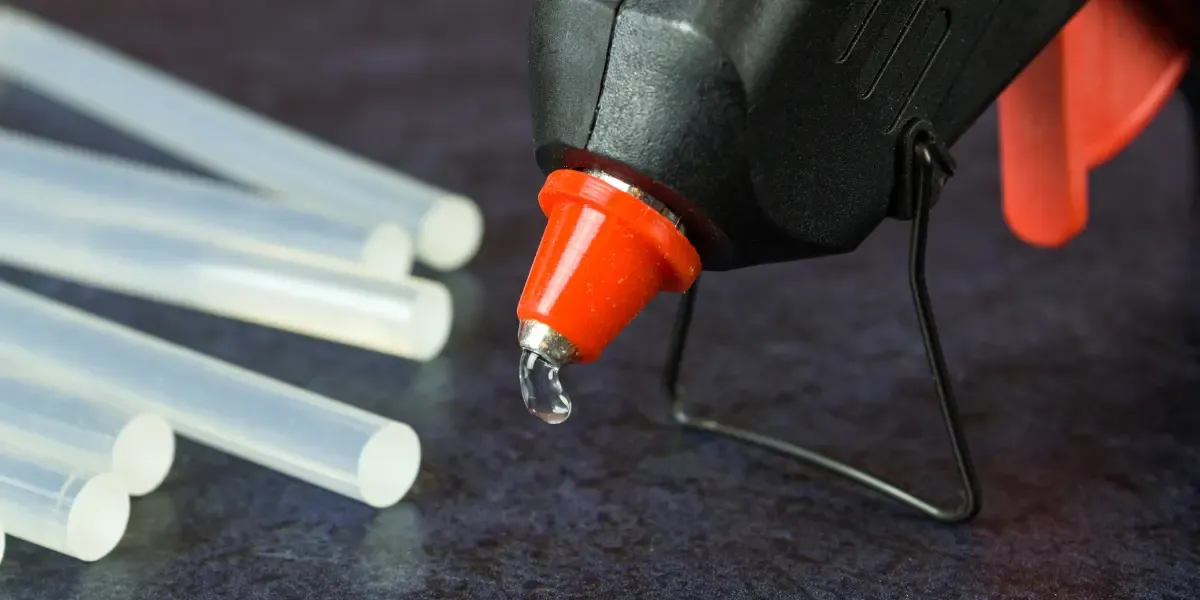
Importance: Why Industrial Adhesives Matter Today
Industrial adhesives play a critical role in modern production systems and infrastructure. Their importance continues to grow as industries shift toward lightweight materials, compact designs, and sustainable manufacturing practices.
They matter because they affect a wide range of stakeholders, including manufacturers, engineers, infrastructure planners, and end users who rely on durable and safe products.
Key problems industrial adhesives help solve include:
-
Structural integrity challenges where welding or fastening is impractical
-
Material compatibility issues, such as bonding metals to plastics or composites
-
Weight reduction needs in transportation and mobility-related industries
-
Improved performance and lifespan of assembled products
-
Enhanced design flexibility without drilling or surface damage
High-performance industrial adhesives also support efficiency by reducing assembly time and minimizing stress concentration points, which can lead to material failure over long-term use.
Recent Updates: Trends and Developments in Industrial Adhesives
In recent periods, the industrial adhesives sector has experienced notable advancements driven by innovation, environmental considerations, and evolving industrial requirements.
Key developments include:
-
Growth of eco-conscious formulations, including low-emission and reduced-solvent adhesives designed to align with sustainability goals
-
Increased use of smart adhesives that respond to temperature, pressure, or electrical signals for advanced applications
-
Expansion in electronics and electric mobility, where adhesives are used for thermal management and insulation
-
Improved automation compatibility, with adhesives engineered for robotic dispensing and precision assembly
-
Higher focus on durability testing, addressing long-term exposure to chemicals, UV radiation, and mechanical stress
These updates reflect the broader transformation of manufacturing toward efficiency, reliability, and responsible material usage.
Laws or Policies: Regulatory Influence on Industrial Adhesives
Industrial adhesives are influenced by various regulatory frameworks that govern material safety, environmental impact, and workplace handling standards. These regulations typically focus on chemical composition, labeling requirements, storage guidelines, and exposure limits.
Regulatory oversight helps ensure:
-
Safe handling and usage in industrial environments
-
Transparency in material composition and performance data
-
Environmental responsibility regarding emissions and waste management
-
Worker health protection during manufacturing and application
Compliance with such policies encourages manufacturers to innovate safer adhesive technologies while maintaining performance standards across industries.
Tools and Resources: Helpful References for Industrial Adhesives
Understanding and selecting industrial adhesives often requires access to reliable technical resources. Several tools and references are commonly used by professionals and learners.
Useful resources include:
-
Adhesive selection guides that compare bonding properties and material compatibility
-
Material safety data documents for understanding handling and storage requirements
-
Bond strength calculators to estimate performance under load conditions
-
Technical datasheets outlining curing time, temperature resistance, and application methods
-
Educational portals and industry publications offering research updates and best practices
These tools support informed decision-making and improve application accuracy across different industrial scenarios.
Types of Industrial Adhesives and Their Characteristics
| Adhesive Type | Common Properties | Typical Applications |
|---|---|---|
| Epoxy Adhesives | High strength, chemical resistance | Structural bonding |
| Polyurethane Adhesives | Flexibility, impact resistance | Construction, automotive |
| Acrylic Adhesives | Fast curing, strong adhesion | Electronics, signage |
| Silicone Adhesives | Temperature stability, elasticity | Sealing, insulation |
| Cyanoacrylate Adhesives | Rapid bonding, precision use | Small components |
This classification helps explain how different adhesive technologies are tailored to specific performance needs.
Application Process Overview
-
Surface preparation to remove contaminants and improve bonding
-
Adhesive selection based on material type and performance requirements
-
Controlled application using manual or automated systems
-
Curing or setting phase, which may involve heat, pressure, or time
-
Quality inspection to ensure bond reliability
Each step contributes to the overall effectiveness and longevity of the bonded assembly.
FAQs About Industrial Adhesives
What makes industrial adhesives different from household adhesives?
Industrial adhesives are formulated for higher strength, durability, and resistance to environmental stress, making them suitable for demanding applications.
Can industrial adhesives bond different materials together?
Yes, many industrial adhesives are designed to bond dissimilar materials such as metal to plastic or composite to glass.
Are industrial adhesives suitable for high-temperature environments?
Certain formulations are specifically engineered to maintain performance under elevated temperatures.
How long do industrial adhesive bonds typically last?
When properly applied, industrial adhesive bonds can last for many years, often matching the lifespan of the bonded materials.
Do industrial adhesives require special handling?
Some adhesives require controlled storage conditions and protective handling measures to ensure safety and performance.
Conclusion
Industrial adhesives are a foundational element of modern manufacturing and infrastructure. They exist to meet complex bonding challenges that traditional joining methods cannot address effectively. Their importance continues to expand as industries demand stronger, lighter, and more adaptable solutions.
Ongoing innovation, regulatory oversight, and access to technical resources ensure that industrial adhesives remain reliable and relevant across evolving applications. By understanding their types, uses, and development trends, readers can gain clear insight into how these materials quietly support countless products and systems in everyday life.