Explore Hidden Waterfall Retreats: A Complete Guide, Tips & Insights
Hidden waterfall retreats refer to natural waterfall locations that are less commercialized and often situated away from busy tourist routes. These destinations are typically found in forest reserves, mountain valleys, protected landscapes, or remote rural areas. Unlike widely known waterfalls with large visitor centers, hidden retreats emphasize quiet surroundings, scenic views, and natural preservation.
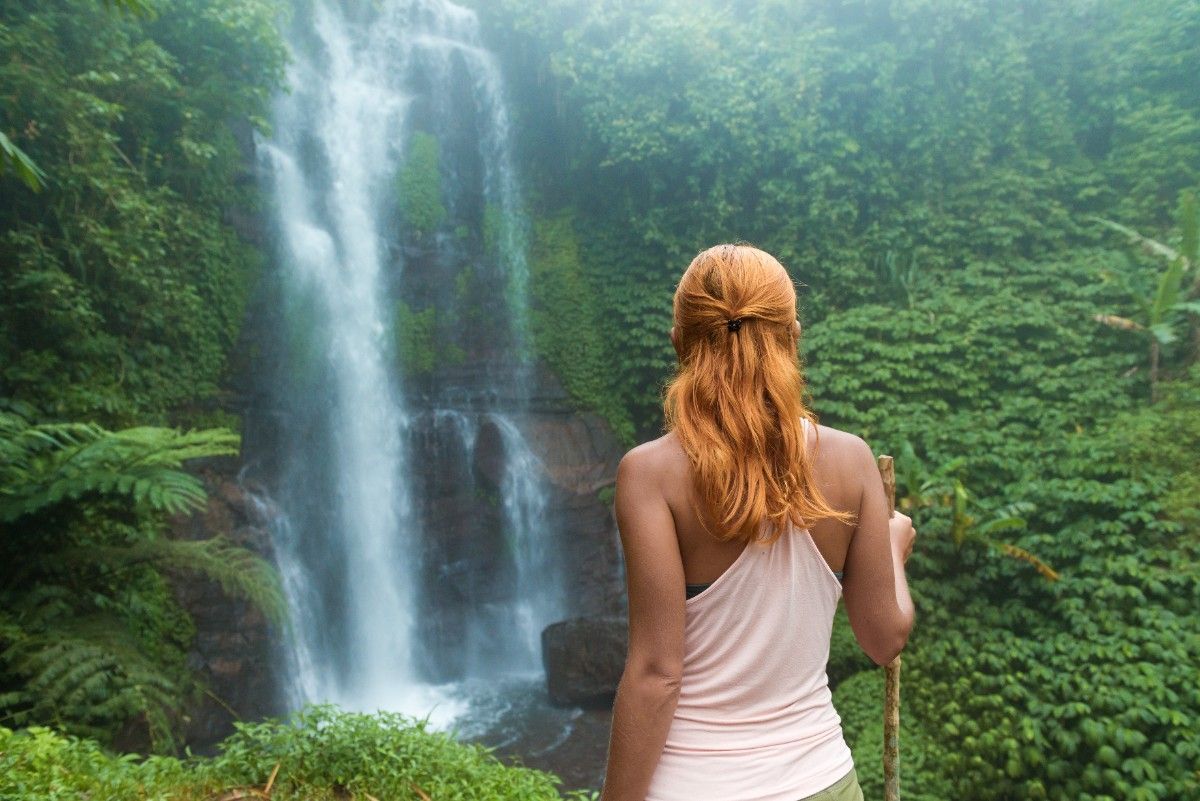
These retreats exist because of growing interest in sustainable travel, eco-tourism, and nature-based experiences. As mainstream destinations become crowded, many travelers look for peaceful environments that allow reflection, photography, hiking, or mindful outdoor activities.
The concept also aligns with high-value travel topics such as:
-
Sustainable tourism practices
-
Eco-friendly travel destinations
-
Nature retreat planning
-
Adventure travel guide
-
Outdoor safety tips
Hidden waterfall retreats are not defined by luxury facilities. Instead, they focus on natural landscapes, environmental balance, and low-impact tourism.
Importance: Why Hidden Waterfall Retreats Matter Today
Interest in nature-based tourism has expanded significantly. Urban lifestyles, increased screen time, and fast-paced routines have led many people to seek calm outdoor spaces. Hidden waterfall retreats address several modern concerns.
Environmental Awareness
These destinations often highlight biodiversity conservation. Visiting protected areas helps people understand ecosystem preservation, watershed protection, and forest management.
Mental and Physical Well-Being
Research in environmental psychology suggests that exposure to natural water features can reduce stress levels and improve mood. Activities like hiking to waterfalls encourage light exercise and outdoor exploration.
Reduced Overtourism
Famous waterfalls often experience overcrowding, leading to environmental damage and infrastructure strain. Distributing visitor attention across lesser-known locations can reduce pressure on popular sites.
Community Development
Remote areas sometimes benefit from responsible tourism through improved infrastructure and conservation funding. However, careful management is required to prevent ecological harm.
The topic connects with high CPC informational themes such as:
-
Sustainable travel guide
-
Eco tourism planning
-
Adventure travel insurance information
-
Outdoor safety guidelines
-
Environmental conservation programs
By understanding hidden waterfall retreats, travelers can make informed decisions while minimizing ecological impact.
Recent Updates and Trends in Nature-Based Tourism
Nature tourism trends have shifted noticeably in the past year. Several developments influence hidden waterfall retreats:
Growth of Eco-Tourism Certifications
Many protected areas have adopted eco-certification frameworks to promote sustainable visitor practices. These certifications often require strict waste management, water protection measures, and visitor limits.
Digital Mapping and Trail Monitoring
Satellite-based navigation tools and GPS trail apps now provide better route tracking. Authorities use digital monitoring systems to manage foot traffic and prevent erosion near waterfalls.
Visitor Caps and Timed Entry
Some forest departments and conservation agencies introduced visitor caps to protect fragile ecosystems. Timed entry systems help distribute arrivals more evenly.
Climate Adaptation Awareness
Increased rainfall variability and extreme weather patterns have affected waterfall flow levels. Some destinations now provide seasonal advisories to prevent accidents during heavy rain.
Responsible Travel Campaigns
Awareness campaigns encourage “leave no trace” practices, reduced plastic use, and respect for wildlife habitats.
These updates show how hidden waterfall retreats are evolving alongside environmental policy and technology.
Laws and Policies Affecting Hidden Waterfall Retreats
Hidden waterfall retreats are often located within protected lands such as:
-
National parks
-
Wildlife sanctuaries
-
Forest reserves
-
Conservation zones
Environmental Protection Regulations
Government regulations typically restrict construction, waste disposal, and land modification near waterfalls to prevent habitat disruption.
Permit Systems
Some areas require entry permits or advance registration to regulate visitor numbers and maintain ecological balance.
Safety Guidelines
Authorities may enforce safety rules related to swimming zones, cliff access, and trekking routes to reduce accidents.
Wildlife Conservation Rules
Visitors are usually prohibited from feeding animals, collecting plants, or disturbing natural formations.
Water Resource Protection
Since waterfalls are part of larger watershed systems, water quality laws often apply. Polluting water bodies can lead to penalties under environmental regulations.
Understanding these policies helps visitors follow lawful and responsible travel practices without harming natural resources.
Tools and Resources for Planning Hidden Waterfall Retreats
Careful planning improves safety and environmental responsibility. Several digital tools and resources support informed travel decisions.
Navigation and Trail Apps
-
GPS-based hiking apps for offline maps
-
Elevation tracking tools
-
Trail difficulty calculators
Weather Monitoring Platforms
-
Real-time rainfall alerts
-
River flow level updates
-
Storm tracking maps
Environmental Information Websites
-
Protected area guidelines
-
Biodiversity reports
-
Conservation updates
Travel Planning Templates
-
Packing checklist templates
-
Risk assessment worksheets
-
Emergency contact plans
Below is a simple comparison table for common planning tools:
| Tool Type | Purpose | Key Benefit |
|---|---|---|
| GPS Trail Apps | Route navigation | Prevents getting lost |
| Weather Tracking Apps | Climate monitoring | Reduces weather-related risks |
| Conservation Websites | Environmental guidelines | Encourages responsible travel |
| Packing Templates | Preparation planning | Improves trip organization |
A basic preparation flow for waterfall visits can be visualized as:
Research Location → Check Weather → Review Regulations → Plan Route → Pack Essentials → Inform Emergency Contact → Travel Responsibly
This structured approach reduces safety risks and environmental impact.
Safety and Environmental Best Practices
Hidden waterfall retreats require special attention to safety and conservation.
Personal Safety Tips
-
Wear slip-resistant footwear
-
Avoid swimming during high rainfall
-
Keep a safe distance from cliff edges
-
Travel with at least one companion
-
Carry a basic first-aid kit
Environmental Protection Tips
-
Carry reusable water bottles
-
Avoid plastic waste
-
Stay on designated trails
-
Do not carve or mark rocks
-
Respect wildlife habitats
These practices align with responsible tourism principles and environmental compliance standards.
Frequently Asked Questions
What defines a hidden waterfall retreat?
A hidden waterfall retreat is a natural waterfall site that receives limited tourist traffic and emphasizes environmental preservation rather than commercial infrastructure.
Are hidden waterfalls safe to visit?
Safety depends on preparation, weather conditions, and adherence to local regulations. Checking trail information and weather forecasts reduces risks.
Do visitors need permits for remote waterfalls?
Some protected areas require permits or advance registration. Checking official park or forest department guidelines before visiting is recommended.
How can travelers reduce environmental impact?
Following “leave no trace” principles, minimizing waste, and respecting wildlife are effective ways to protect ecosystems.
What is the best season to visit waterfall retreats?
Waterfall flow is often strongest during or after rainy seasons, but heavy rainfall can increase risk. Moderate weather conditions are generally safer for hiking.
Conclusion
Hidden waterfall retreats offer a meaningful connection to nature through quiet landscapes, flowing water, and preserved ecosystems. As interest in sustainable tourism grows, these destinations highlight the importance of environmental responsibility, safety awareness, and policy compliance.
Careful planning, knowledge of regulations, and the use of modern travel tools can improve both safety and ecological protection. By following responsible travel guidelines, visitors help maintain these natural retreats for future generations.