Explore Heat Treatment Furnaces: A Complete Guide with Key Insights
Heat treatment furnaces are specialized industrial heating systems used for controlled thermal processing of metals, alloys, ceramics, and engineered materials. Their purpose is to alter material properties such as hardness, strength, ductility, and microstructure through heating and cooling cycles. These furnaces support various metallurgy processes, including annealing, quenching, tempering, carburizing, and stress relieving.
They exist because modern manufacturing requires precise material performance for applications in automotive, aerospace, energy, construction, electronics, and engineering sectors. Without controlled thermal cycles, materials would not consistently achieve the mechanical characteristics required for advanced components. As industries grow more dependent on material engineering, heat treatment furnaces play a foundational role in ensuring product reliability and structural performance.
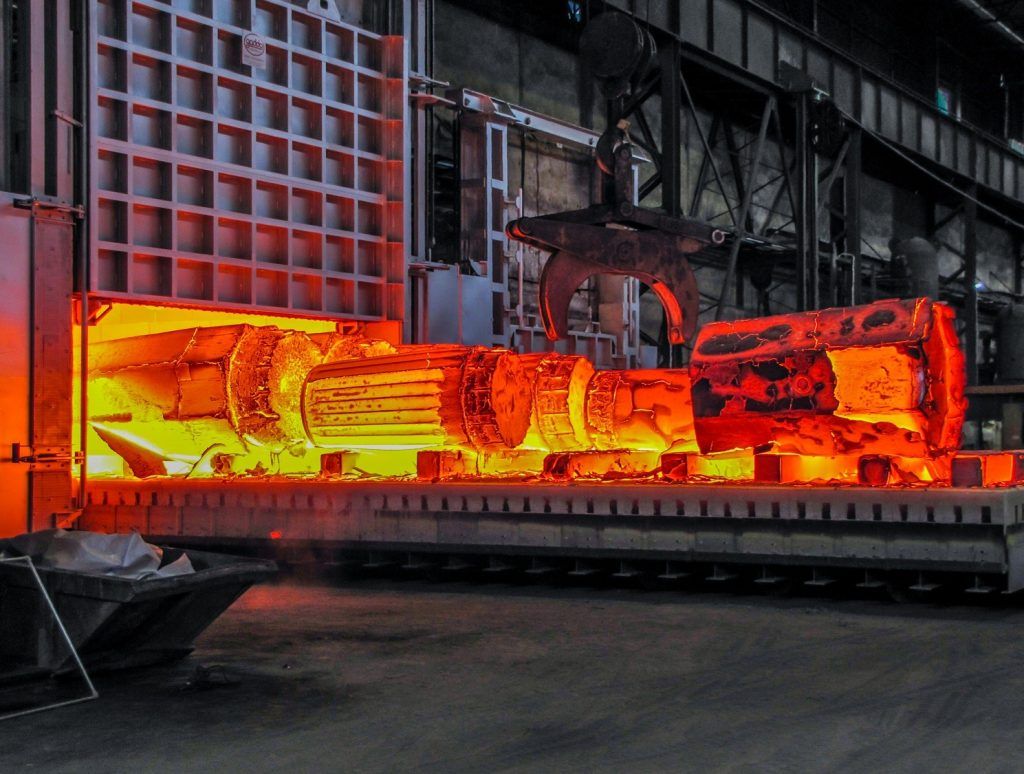
Technologies in this field have gradually expanded from traditional fuel-fired furnaces to electric, vacuum, induction, and atmosphere-controlled heating solutions. These advancements enable higher accuracy, better thermal uniformity, improved metallurgical results, and more stable processing environments essential for high-precision manufacturing.
Importance: Why Heat Treatment Furnaces Matter Today
Heat treatment furnaces matter because they support nearly every major industrial sector. Their value is tied to consistent metallurgical outcomes, energy-efficient heating solutions, and the ability to modify material behavior without altering its overall shape. They address several important needs:
-
Improved material durability
Ensures components can withstand mechanical stress, wear, and extreme environments. -
Reliable quality in mass production
Helps industries achieve uniform product performance, which is crucial for safety-critical parts. -
Support for advanced manufacturing technologies
Processes such as additive manufacturing, precision machining, toolmaking, and alloy development depend on accurate thermal cycles. -
Reduced rejection rates
Better heat treatment reduces the likelihood of structural failures and material defects. -
Enhanced sustainability goals
Modern furnace designs focus on reduced energy consumption, emissions control, and optimized heating profiles.
Heat treatment furnaces affect engineers, researchers, manufacturers, quality-control teams, and industries that require high-performance materials. They solve challenges such as inconsistent hardness, internal stresses in materials, insufficient tensile strength, and microstructural irregularities.
Recent Updates: Trends, Developments, and New Insights
Recent industry updates show progress in automation, digital monitoring, and improved energy management in furnace systems. Several key trends have shaped the field over the past year:
-
Growing use of IoT-enabled furnace monitoring
Many facilities now use smart sensors for real-time tracking of temperature, atmosphere composition, and heat distribution. This helps improve metallurgical accuracy. -
Wider adoption of vacuum and inert-gas furnaces
These designs are gaining popularity for processes requiring clean, oxidation-free environments. They are increasingly used in aerospace components and high-precision tooling. -
Advancements in thermal simulation software
New modeling tools help predict microstructure transformation and optimize heat-treatment cycles before production begins. -
Increased focus on energy-efficient designs
Manufacturers are adopting better insulation materials, heat-recovery systems, and advanced control algorithms to reduce energy use in thermal processing. -
Integration of data analytics for process improvement
Digital logs and analytics help engineers identify trends, improve consistency, and adjust furnace parameters more effectively. -
Material research influencing furnace use
New alloy compositions require more sophisticated thermal processing schedules, expanding the role of programmable heating technologies.
Laws or Policies: How Regulations Influence Heat Treatment Furnaces
Heat treatment furnaces are indirectly influenced by general industrial regulations related to workplace safety, material compliance, and environmental protection. While not tied to any specific country, the following types of policies commonly affect furnace operation:
-
Safety standards for industrial heating equipment
Guidelines typically cover temperature control mechanisms, emergency shutoff systems, ventilation, and safe furnace operation procedures. -
Regulations on emissions and atmosphere control
Furnaces that use controlled atmospheres or combustion may be subject to rules on handling gases, preventing leaks, and maintaining air quality in industrial environments. -
Material compliance requirements
Certain sectors, such as aerospace and heavy engineering, often require materials to undergo validated heat-treatment processes based on standardized procedures. -
Energy-efficiency guidelines for industrial equipment
Regulations may encourage the adoption of heating systems that reduce energy consumption or support thermal-management improvements. -
Worker protection and thermal-exposure rules
Guidelines typically address how personnel interact with high-temperature systems, protective gear requirements, and risk-mitigation protocols.
These policies help ensure that heat treatment activities meet safety expectations, environmental standards, and industry-specific material performance requirements.
Tools and Resources: Helpful Platforms, Calculators, and References
Professionals working with heat treatment furnaces can benefit from a variety of technical tools and learning resources, including:
-
Thermal simulation and modeling software
Useful for predicting phase transformation, temperature distribution, and furnace-cycle optimization. -
Material property databases
Platforms offering metallurgical charts, material behavior predictions, and heat-treatment specifications. -
Online hardness conversion calculators
Assist in converting between Rockwell, Brinell, Vickers, and other hardness scales. -
Digital furnace monitoring dashboards
Tools that track real-time temperature profiles, atmosphere levels, and process logs. -
Metallurgy learning portals
Educational websites focusing on metallurgical engineering, thermal processing basics, and furnace technology insights. -
Process documentation templates
Formats used for recording furnace cycles, quality checks, and standardized thermal-processing steps. -
Material analysis tools
Software used for examining microstructures, grain size, or heat-affected zones after processing.
These resources help ensure accuracy, compliance, and improved process outcomes in industrial heating systems.
Table: Common Heat Treatment Processes and Their Purpose
| Process Type | Purpose | Typical Materials |
|---|---|---|
| Annealing | Improve ductility and reduce hardness | Carbon steel, alloy steel, copper |
| Quenching | Increase hardness and strength | Tool steels, alloy steels |
| Tempering | Reduce brittleness after quenching | High-carbon and alloy steels |
| Carburizing | Enrich surface carbon for wear resistance | Low-carbon steels |
| Stress Relieving | Minimize internal stress from machining or welding | Steels, cast iron |
FAQs
What is the main purpose of heat treatment furnaces?
Their main purpose is to modify material properties through controlled heating and cooling cycles, enabling improved strength, hardness, and structural stability.
Are different furnaces used for different materials?
Yes. Vacuum furnaces, induction furnaces, and atmosphere-controlled furnaces are chosen based on material type, process requirements, and the desired metallurgical properties.
How do modern furnaces improve material consistency?
They use precise temperature control systems, digital monitoring, and programmed heating cycles to ensure uniform heat distribution and predictable material transformation.
What factors influence a furnace’s performance?
Thermal insulation quality, heating-element design, atmosphere composition, load size, and temperature uniformity all play a role.
Can heat treatment affect microstructure?
Yes. Heat treatment directly alters grain structure, phase composition, and hardness levels, all of which impact mechanical behavior.
Conclusion
Heat treatment furnaces are essential tools in modern industrial heating systems and thermal processing applications. They enable materials to achieve the desired mechanical and structural properties required across engineering and manufacturing sectors. With advancing technologies, improved digital control systems, and more refined thermal processes, these furnaces continue to play a central role in metallurgy and material engineering. Their relevance grows as industries seek higher precision, better durability, and more energy-efficient heating solutions. Understanding how these furnaces work, their processes, and the tools associated with them helps professionals make informed decisions about material treatment and quality control.