Explore Great Canyon Trail Walks: Complete Guide, Tips, and Essential Information
Great Canyon trail walks refer to hiking routes located within the vast canyon landscape known for its layered rock formations, deep gorges, and desert ecosystems. The canyon was shaped over millions of years by natural forces, including river erosion and geological uplift. Today, it stands as one of the most studied natural landmarks in the world.
Popular routes such as the Bright Angel Trail and the South Kaibab Trail offer different levels of difficulty, scenery, and hiking experiences. These trails were originally developed to improve access to the canyon floor and viewpoints, supporting both tourism and conservation efforts.
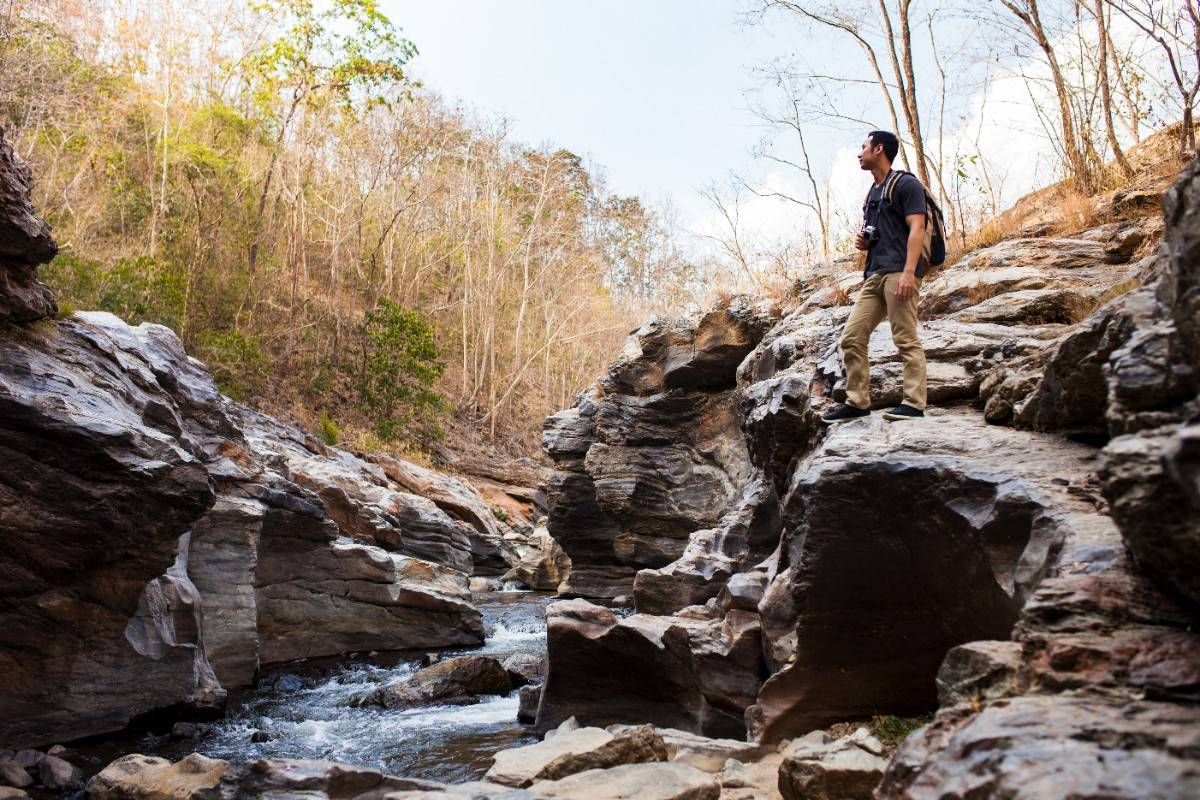
Trail walks exist to help visitors safely explore natural terrain while protecting the fragile environment. Marked paths reduce environmental damage, guide hikers through safe routes, and provide educational signage about geology, wildlife, and cultural history.
Why Great Canyon Trail Walks Matter Today
Trail walking in canyon environments is important for several reasons. It promotes outdoor education, physical activity, and environmental awareness. With increasing interest in eco-tourism and sustainable travel, canyon hiking has become a valuable example of responsible recreation.
The topic affects a wide range of people:
-
Outdoor enthusiasts seeking adventure
-
Families planning educational travel
-
Researchers studying geology and climate
-
Conservation groups monitoring ecosystems
Canyon trails also help solve practical challenges. Clearly marked paths reduce the risk of hikers getting lost. Established rest points and safety guidelines help prevent dehydration and heat-related issues. Visitor education programs reduce littering and wildlife disturbance.
Additionally, hiking tourism contributes to local communities through infrastructure development and environmental funding programs. While this article avoids commercial aspects, it is important to recognize that managed trails help balance visitor access with conservation.
Recent Updates and Trends
Recent developments in canyon trail management have focused on safety and sustainability. Authorities have increased heat awareness campaigns due to rising summer temperatures. Digital alerts now inform visitors about extreme weather conditions.
Trail restoration projects have also gained attention. Maintenance teams regularly repair erosion damage and reinforce steep sections to prevent rockfalls. Shuttle systems have been improved to reduce vehicle congestion near major viewpoints.
Technology integration is another noticeable trend. Many hikers now rely on GPS-based trail navigation apps instead of printed maps. Real-time updates on trail conditions, temporary closures, and wildlife advisories are more widely available.
Environmental monitoring has expanded as well. Researchers track visitor impact, vegetation health, and wildlife behavior to guide future conservation planning.
Laws and Policies Affecting Canyon Trail Walks
Canyon trail systems operate under national park regulations and environmental protection policies. These rules exist to ensure visitor safety and preserve natural heritage.
Key regulatory aspects typically include:
-
Permit requirements for overnight backcountry hiking
-
Restrictions on campfire use
-
Waste disposal regulations
-
Wildlife protection laws
-
Trail closure policies during hazardous conditions
Hikers are generally required to remain on designated trails. Off-trail exploration may damage fragile desert plants and increase erosion. Certain areas may require advance permits, particularly for overnight stays below the rim.
Environmental policies often limit group sizes to reduce impact. Drone usage is usually restricted to protect wildlife and visitor experience. These regulations reflect broader conservation goals while allowing public access to natural spaces.
Tools and Resources for Planning
Planning is essential for safe and informed canyon hiking. Several digital and educational resources help visitors prepare effectively.
Helpful tools include:
-
Official national park websites for trail maps and updates
-
GPS navigation apps such as AllTrails
-
Offline map platforms like Gaia GPS
-
Weather monitoring apps for desert climate tracking
-
Hydration calculators for estimating water needs
Below is a simple planning checklist table:
| Preparation Area | Recommended Action |
|---|---|
| Route Selection | Choose trail based on fitness level |
| Weather Check | Review temperature and heat warnings |
| Water Supply | Carry adequate hydration |
| Navigation | Download offline trail maps |
| Emergency Plan | Inform someone about hiking schedule |
Hydration planning is especially important in desert canyons. The dry climate increases water loss even during cooler seasons.
Basic hydration estimate graph (conceptual):
Water Needs by Temperature
Low Temperature: Moderate Intake
Medium Temperature: Increased Intake
High Temperature: High Intake
This simplified representation highlights how water requirements increase as temperatures rise.
Printed guidebooks and ranger-led educational sessions also remain valuable resources for learning about geological formations and trail safety.
Frequently Asked Questions
What is the difficulty level of Great Canyon trail walks?
Difficulty varies by trail. Rim trails are generally moderate and suitable for many visitors. Trails descending into the canyon are more strenuous due to steep gradients and elevation changes.
How much water should hikers carry?
Water needs depend on temperature, trail length, and individual fitness. In desert conditions, hikers often require significantly more water than in cooler environments. Checking weather forecasts and planning accordingly is essential.
Are permits required for all trails?
Day hikes typically do not require permits, but overnight backcountry hiking usually does. Regulations vary by area and should be verified through official sources before planning.
What are common safety risks?
Heat exhaustion, dehydration, and overexertion are common concerns. Sudden weather changes and steep drop-offs also require attention. Staying on marked paths reduces risk.
Can beginners attempt canyon hiking?
Yes, but beginners should start with shorter rim walks. Proper preparation, realistic fitness assessment, and clear route planning are important for a safe experience.
Environmental and Educational Value
Great Canyon trail walks offer more than physical activity. They provide direct exposure to geological history, visible rock layers, and desert ecosystems. Educational signage often explains how rivers carved through rock over long time periods.
Wildlife observation is another feature. Visitors may encounter desert birds, reptiles, and small mammals. Observing from a safe distance protects both animals and hikers.
Many schools and research groups use canyon environments as outdoor classrooms. The site demonstrates erosion, sediment deposition, and climate patterns in a visible and accessible way.
Practical Hiking Tips
To ensure a safe and informative hiking experience:
-
Start early to avoid midday heat
-
Wear layered clothing suitable for desert conditions
-
Use sun protection such as hats and sunscreen
-
Monitor physical condition regularly
-
Turn back if feeling fatigued
Pacing is important. Descending into a canyon may feel easier than ascending. Energy conservation is critical for the return journey.
Trail signage typically includes distance markers. Reviewing these markers helps estimate remaining time and physical effort required.
Sustainability and Responsible Travel
Canyon ecosystems are delicate. Soil crusts and desert plants recover slowly from disturbance. Following responsible travel principles supports long-term preservation.
Basic sustainability practices include:
-
Carrying out all waste
-
Avoiding wildlife feeding
-
Staying on established paths
-
Respecting quiet zones
These practices align with broader environmental protection goals and support safe visitor experiences.
Conclusion
Great Canyon trail walks combine natural beauty, geological education, and outdoor recreation. They exist to provide structured access to one of the world’s most remarkable landscapes while protecting fragile ecosystems.
The importance of canyon hiking continues to grow as more people seek sustainable and educational travel experiences. Updated safety practices, digital navigation tools, and environmental regulations have improved both visitor awareness and conservation outcomes.
By understanding trail conditions, following regulations, and using available resources, visitors can explore responsibly. Proper preparation ensures that hiking remains both safe and informative.