Explore Gardening & Lawn Robots: A Complete Guide with Basics, Facts, and Key Insights
Gardening and lawn robots are automated machines designed to support everyday outdoor maintenance tasks such as grass cutting, leaf collection, soil preparation, and weed control. These systems combine robotics, sensors, navigation software, and electric power to operate with minimal human involvement. Their purpose is to simplify routine garden care, improve consistency, and reduce physical effort for users. As outdoor spaces become more integrated with smart home ecosystems, gardening robots have emerged as a practical extension of automation in daily life.
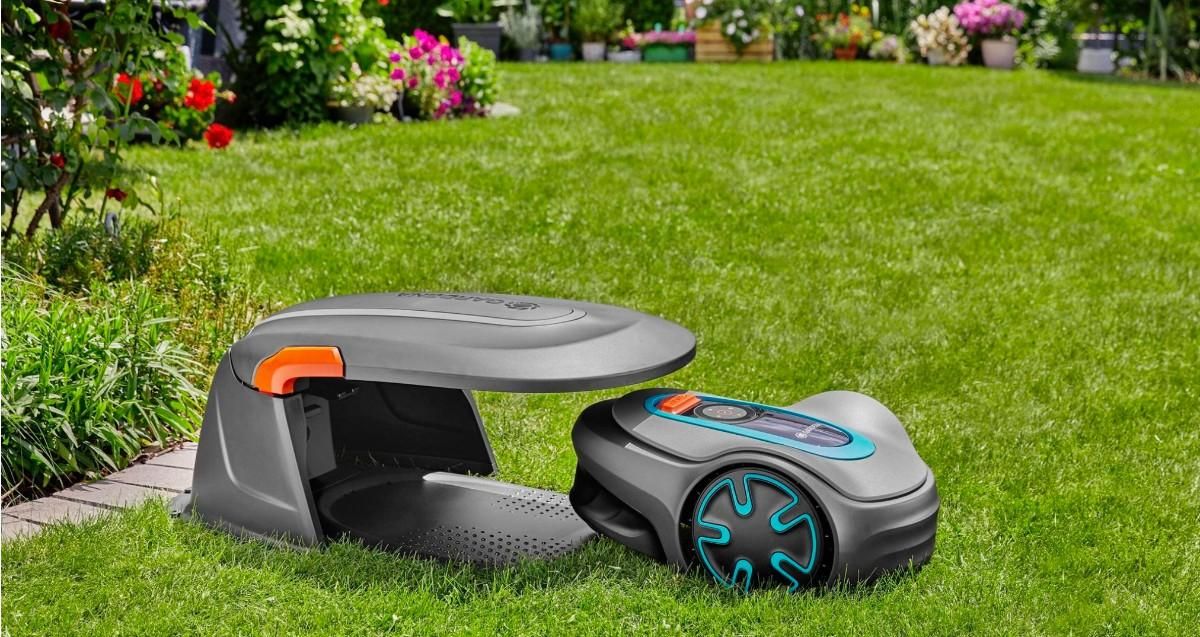
Gardening and lawn robots were developed to address the repetitive and time-consuming nature of outdoor maintenance. Traditional gardening requires regular manual work, specialized tools, and physical endurance. Robots in this field aim to automate predictable tasks using programmed routes, obstacle detection, and adaptive algorithms.
Key characteristics include:
-
Autonomous navigation using boundary systems or GPS-based guidance
-
Electric power with rechargeable battery systems
-
Integrated sensors for terrain, obstacles, and weather conditions
-
Software-driven scheduling and task optimization
The technology exists to support consistent garden upkeep while reducing dependency on manual labor and fossil-fuel-powered equipment.
Importance: Why Gardening & Lawn Robots Matter Today
The relevance of gardening and lawn robots has increased due to changing lifestyles and environmental considerations. Many households and facilities manage green spaces but have limited time or physical capacity for frequent maintenance. Automation helps maintain lawns and gardens without constant supervision.
This topic affects:
-
Homeowners with private lawns or gardens
-
Residential communities and shared green areas
-
Educational campuses and institutional landscapes
-
Facility managers responsible for outdoor maintenance
Problems these robots help address include irregular lawn care, physical strain, noise pollution from traditional machines, and inefficient resource use. From a sustainability perspective, electric robotic systems support reduced emissions and optimized energy consumption. High-value advertising topics such as robotic lawn mower technology, smart gardening automation, and AI-powered garden robots are often associated with this domain.
Recent Updates: Trends and Developments
Recent developments show steady improvements in intelligence, safety, and adaptability. Navigation systems have evolved from simple boundary wires to sensor-based mapping and satellite-assisted positioning. Robots are increasingly capable of recognizing grass density, adjusting cutting patterns, and returning to charging stations automatically.
Other notable trends include:
-
Expanded use of artificial intelligence for route learning
-
Improved battery efficiency and charging cycles
-
Enhanced safety mechanisms for pets and small objects
-
Integration with mobile dashboards for monitoring and control
The focus has shifted toward precision gardening, where robots perform tasks based on real-time environmental data rather than fixed schedules.
Laws or Policies: Regulatory Considerations
Gardening and lawn robots operate within broader regulations related to outdoor equipment, electrical safety, and autonomous devices. Common regulatory themes include:
-
Compliance with electrical and battery safety standards
-
Noise level limitations for residential environments
-
Guidelines for autonomous movement in private spaces
-
Environmental rules related to emissions and energy efficiency
Manufacturers typically align designs with international safety certifications and general consumer equipment standards. Users are expected to operate robots within private property boundaries and follow local safety guidance applicable to automated outdoor devices.
Tools and Resources: Helpful Options for Understanding and Using the Technology
Several tools and resources support learning and effective use of gardening robots. These resources focus on planning, monitoring, and performance optimization rather than transactions.
Useful categories include:
-
Garden layout planners for mapping robot routes
-
Lawn size calculators for coverage estimation
-
Maintenance tracking dashboards
-
Educational guides on robotic garden systems
-
Environmental monitoring tools for soil and weather data
| Resource Type | Purpose | Practical Benefit |
|---|---|---|
| Lawn Area Calculators | Measure garden dimensions | Accurate robot coverage planning |
| Sensor Monitoring Apps | Track robot status | Predictive maintenance insights |
| Mapping Tools | Define operational zones | Improved navigation accuracy |
| Knowledge Portals | Learn robotics basics | Better understanding of automation |
These tools are often discussed in relation to autonomous lawn care systems and smart outdoor robotics, which are high CPC informational keywords in digital publishing.
How Gardening & Lawn Robots Work
Most gardening robots follow a similar operational process. Sensors detect boundaries, obstacles, and terrain changes. Software algorithms calculate movement paths, while electric motors execute tasks such as cutting or weeding.
A simplified workflow:
-
Area definition through physical or virtual boundaries
-
Environmental scanning using sensors
-
Task execution based on programmed logic
-
Automatic return to charging point
| Component | Function |
|---|---|
| Sensors | Detect obstacles and terrain |
| Control Unit | Processes navigation logic |
| Drive System | Enables movement |
| Task Module | Performs cutting or weeding |
| Power Unit | Supplies electric energy |
FAQs: Common Questions Answered
What tasks can gardening and lawn robots handle?
They are designed for repetitive outdoor tasks such as mowing, basic weeding, and surface-level soil care. Capabilities depend on model design and software configuration.
Are gardening robots suitable for uneven terrain?
Many modern systems can adapt to moderate slopes and uneven surfaces using traction control and tilt sensors.
How do these robots navigate safely?
They rely on obstacle detection, boundary recognition, and automatic stop mechanisms to operate within defined areas.
Do gardening robots require constant supervision?
Once configured, they operate independently and require only periodic monitoring and routine checks.
What kind of maintenance is involved?
Maintenance typically includes cleaning, blade inspection, battery care, and software updates as recommended by manufacturers.
Key Insights and Practical Observations
Gardening and lawn robots represent a shift toward precision outdoor maintenance. They prioritize consistency over speed and rely on data-driven operation. Their long-term value lies in predictable performance and reduced manual effort rather than immediate results.
Important observations include:
-
Performance improves over time through learning algorithms
-
Energy efficiency is higher compared to traditional equipment
-
Quiet operation supports residential use
-
Design trends favor modular and upgrade-friendly systems
These insights align with broader discussions around intelligent garden automation and robotic landscaping solutions, which are frequently searched informational topics.
Conclusion
Gardening and lawn robots are an evolving category of smart outdoor technology designed to simplify routine maintenance tasks. By combining automation, sensors, and intelligent control systems, they support consistent lawn and garden care with minimal intervention. Their growing relevance reflects changing lifestyle needs, environmental awareness, and advancements in robotics. As technology continues to mature, gardening robots are likely to become a standard component of modern outdoor spaces, valued for reliability, efficiency, and adaptability.