Explore Food Processing Automation Machines: Basics, Explanation, and Key Information
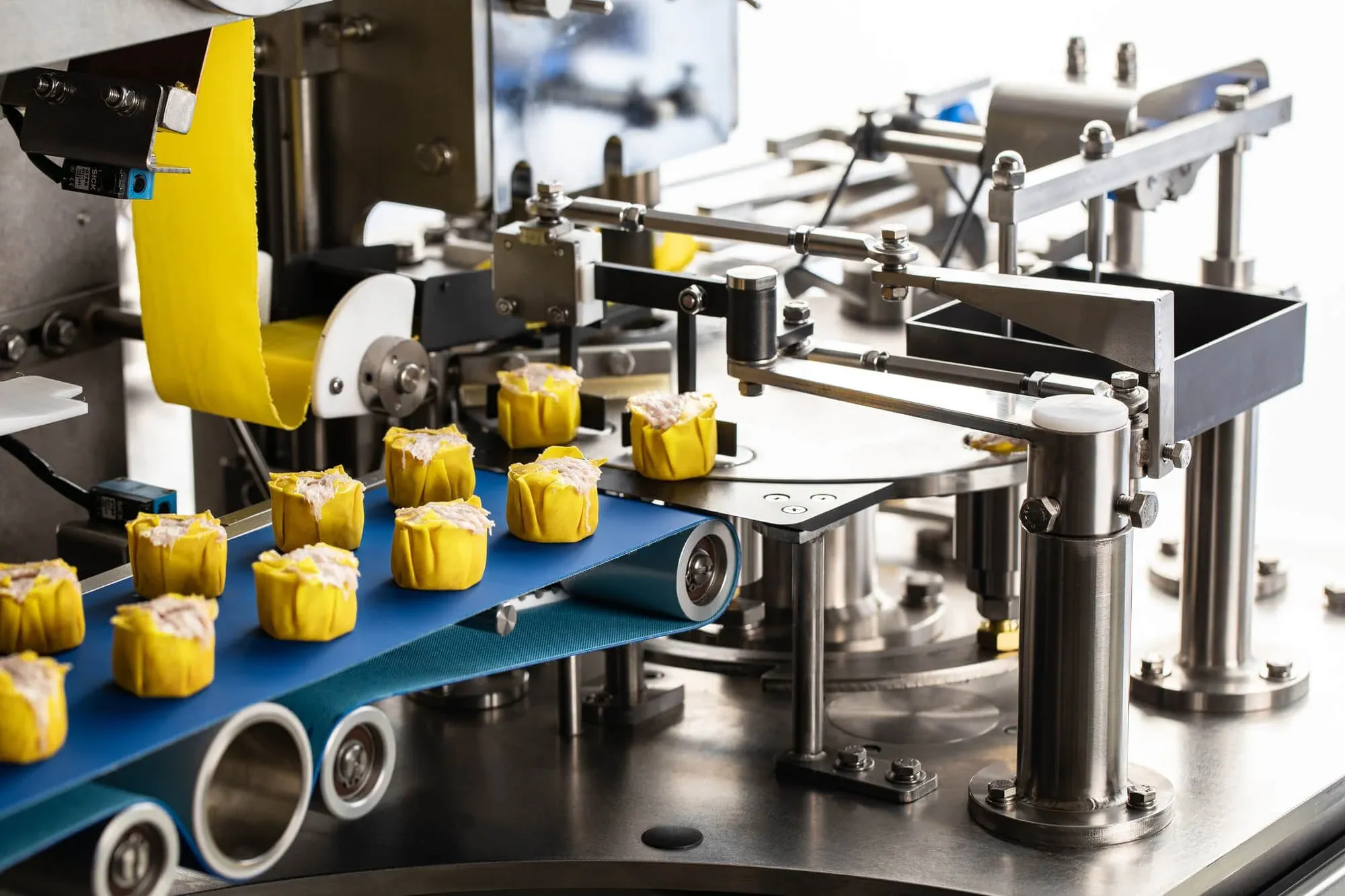
Food processing automation machines are systems and equipment designed to perform food handling, preparation, processing, and packaging tasks with minimal human intervention. These machines exist to improve consistency, hygiene, and efficiency in large-scale food production. As food demand grows and quality expectations rise, automation helps producers maintain uniform standards while handling high volumes. The topic brings together mechanical engineering, control systems, sensors, and software to support safe and reliable food processing.
Context
Food processing automation machines emerged as a response to the limitations of manual processing. Traditional methods depended heavily on human labor, which made it difficult to ensure uniform quality, precise control, and consistent output. Automation introduced programmable systems that can measure, cut, mix, cook, fill, seal, and label food products with high accuracy.
Common categories include:
-
Preparation equipment such as washers, peelers, and cutters
-
Processing machines like mixers, grinders, extruders, and thermal processors
-
Packaging systems including fillers, sealers, and labeling units
-
Inspection and sorting systems using sensors and vision technology
Together, these machines form integrated production lines that operate continuously and predictably.
Importance
Food processing automation machines matter because they support modern food systems that serve large populations. They affect food manufacturers, regulators, retailers, and consumers alike. Automation addresses several long-standing challenges in food production.
Key reasons this topic is important:
-
Food safety and hygiene: Automated systems reduce direct human contact, lowering contamination risks.
-
Consistency and quality control: Machines operate within defined parameters, producing uniform results.
-
Scalability: Automation supports high-volume processing without proportional increases in labor.
-
Traceability: Digital controls and data logging improve monitoring across processing stages.
These benefits help ensure that food products meet safety standards while remaining accessible and dependable.
Recent Updates
In the recent period, food processing automation has seen steady technical refinement rather than sudden disruption. Developments focus on smarter control and improved adaptability.
Notable trends include:
-
Increased use of sensors and vision systems to detect defects, foreign materials, and size variations
-
Integration of data analytics for monitoring machine performance and process stability
-
More flexible automation that can handle multiple product types with quick changeovers
-
Energy-efficient designs aimed at reducing resource use during processing
These updates reflect a broader shift toward intelligent manufacturing, where machines communicate performance data and support continuous improvement.
Laws or Policies
Food processing automation machines operate within frameworks shaped by food safety, equipment safety, and quality management regulations. Rules typically define acceptable materials, sanitation practices, and operational controls for equipment used in food handling.
Automation is influenced by:
-
Food safety standards that specify hygienic design and cleanability
-
Machinery safety regulations covering guarding, emergency stops, and operator protection
-
Quality management systems that encourage documentation, validation, and process control
International guidelines from organizations such as International Organization for Standardization and principles aligned with Codex Alimentarius Commission often inform national policies. Automation helps facilities meet these requirements by standardizing operations and record-keeping.
Tools and Resources
Several tools and resources support understanding and managing food processing automation machines. These resources are commonly used for planning, monitoring, and learning.
Helpful tools and references include:
-
Process flow diagrams and templates for mapping automated production lines
-
Programmable logic controller simulators for learning control logic basics
-
Hygienic design guidelines published by industry associations
-
Production monitoring dashboards that visualize throughput and downtime
-
Technical manuals and standards documents for machine operation and validation
Below is an example table showing typical automation tools and their purposes:
| Tool or Resource | Primary Purpose |
|---|---|
| PLC software | Control and sequence machine operations |
| Vision systems | Inspect product quality and placement |
| Data loggers | Record temperature, time, and process variables |
| Maintenance trackers | Schedule servicing and reduce unplanned stops |
These tools help stakeholders better understand system behavior and maintain stable operations.
FAQs
What types of food products use automation machines?
Automation machines are used for a wide range of products, including grains, dairy, beverages, snacks, frozen foods, and packaged meals. The design varies depending on product texture, moisture, and processing needs.
How do automation machines improve food safety?
They limit manual handling, maintain controlled environments, and follow repeatable procedures. Sensors and automated cleaning cycles further reduce contamination risks.
Are automation machines suitable for small production volumes?
Some systems are modular and scalable, making them adaptable to lower volumes. Flexibility depends on machine design and configuration.
What skills are needed to operate automated food processing systems?
Basic technical knowledge, understanding of controls, and awareness of hygiene practices are important. Operators often rely on standardized interfaces and monitoring tools.
How long do food processing automation machines typically operate?
They are designed for continuous or extended operation, with scheduled maintenance to ensure reliability and compliance with safety standards.
Conclusion
Food processing automation machines play a central role in modern food production by combining efficiency, safety, and consistency. They exist to address the demands of large-scale processing while supporting quality and regulatory compliance. Ongoing improvements in sensors, control systems, and data use continue to refine how these machines function. Understanding their context, importance, and supporting resources helps readers appreciate how automation shapes the food products encountered every day.