Explore Electric Cargo Transport: An Overview, Basics, and Key Information
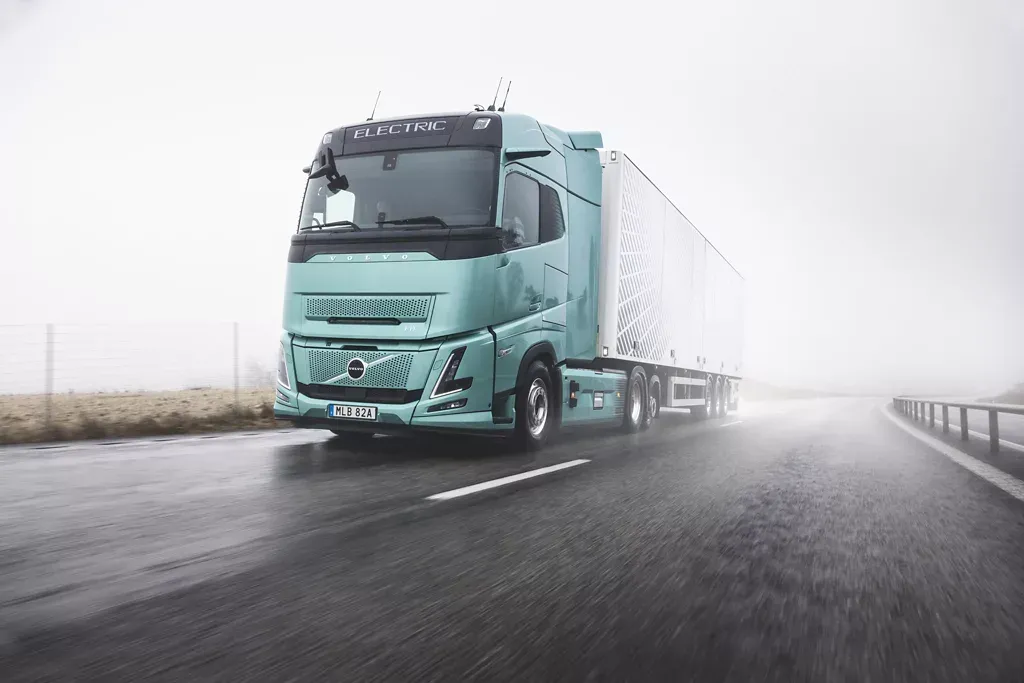
Electric cargo transport refers to the movement of goods using electrically powered vehicles rather than engines that rely on conventional fuels. These vehicles range from compact electric cargo bikes and three-wheelers to medium-duty vans and specialized freight platforms designed for urban and regional logistics. The concept exists to address growing freight demand while reducing environmental impact, noise, and congestion associated with traditional delivery systems.
As cities expand and online commerce increases, goods must move more frequently and closer to end users. Electric cargo transport emerged to make this movement more efficient, cleaner, and better suited to dense urban environments. It combines advancements in battery technology, electric drivetrains, and digital fleet management to support modern logistics needs.
Importance
Electric cargo transport matters because it directly affects how goods are delivered in cities, industrial zones, and regional supply chains. It influences businesses, local communities, planners, and consumers who depend on reliable and predictable delivery systems.
Key reasons it is important include:
-
Environmental impact reduction through lower tailpipe emissions and improved air quality
-
Operational efficiency in short-distance and stop-and-go delivery routes
-
Noise reduction, especially valuable in residential and mixed-use areas
-
Energy diversification, reducing reliance on a single energy source
-
Scalability for urban logistics, where smaller electric cargo vehicles can access narrow streets and restricted zones
Electric cargo transport helps address problems such as traffic congestion, pollution exposure, and inefficient last-mile delivery. It also supports broader sustainability goals by aligning freight movement with cleaner energy use.
Recent Updates
In recent months, electric cargo transport has continued to evolve due to technical improvements and changing logistics strategies. Battery energy density has increased, allowing cargo vehicles to travel longer distances on a single charge. At the same time, charging times have shortened, making electric fleets easier to integrate into daily operations.
Another notable trend is the growing use of data-driven route optimization. Fleet operators now rely on real-time analytics to match electric cargo vehicles with routes that maximize efficiency and battery life. Urban authorities have also expanded dedicated delivery zones that favor low-emission transport, encouraging wider adoption.
There has been increased collaboration between vehicle manufacturers, logistics platforms, and infrastructure providers. This has resulted in more standardized charging interfaces and modular vehicle designs that can be adapted for different cargo needs, from parcels to temperature-sensitive goods.
Laws or Policies
Electric cargo transport is shaped by general transport regulations, environmental standards, and energy policies rather than isolated rules. Many governments encourage the transition toward electric freight by integrating it into broader mobility and sustainability frameworks.
Common policy influences include:
-
Emission standards that favor zero-emission vehicles in freight movement
-
Urban planning guidelines that prioritize low-noise and low-pollution logistics
-
Infrastructure policies supporting charging networks for commercial vehicles
-
Transport safety regulations that define vehicle size, load limits, and operational zones
These policies collectively guide how electric cargo transport is designed, deployed, and managed, ensuring it fits within existing transport systems while supporting long-term environmental objectives.
Tools and Resources
A variety of tools and resources help stakeholders understand and manage electric cargo transport effectively. These are mainly informational and operational in nature.
Helpful resources include:
-
Fleet management platforms that track vehicle performance, energy use, and maintenance
-
Route planning software optimized for electric vehicle range and charging availability
-
Battery health monitoring tools that analyze charging cycles and efficiency
-
Urban logistics research portals offering data, case studies, and planning frameworks
-
Technical standards documentation explaining charging systems and vehicle interoperability
These tools support informed decision-making, system planning, and continuous improvement in electric cargo operations.
Comparative Overview Table
Below is a simplified comparison showing how electric cargo transport differs from conventional freight transport across key factors.
| Factor | Electric Cargo Transport | Conventional Freight Transport |
|---|---|---|
| Energy source | Electricity | Combustion fuels |
| Local emissions | Very low | Higher |
| Noise levels | Low | Moderate to high |
| Urban suitability | High | Limited in dense areas |
| Maintenance profile | Fewer moving parts | More mechanical wear |
Typical Electric Cargo Vehicle Categories
Electric cargo transport is not a single vehicle type. It includes several categories designed for different use cases.
-
Cargo bikes and tricycles for lightweight, short-distance deliveries
-
Compact electric vans for urban parcel distribution
-
Medium electric trucks for regional logistics
-
Specialized cargo platforms for waste collection, refrigeration, or industrial supplies
Each category supports specific operational needs while sharing the same electric propulsion principles.
FAQs
What is electric cargo transport mainly used for?
It is mainly used for moving goods in urban and regional settings where efficiency, low emissions, and predictable routes are important.
How does electric cargo transport differ from electric passenger vehicles?
Cargo vehicles are designed for load capacity, durability, and frequent stops, while passenger vehicles focus on comfort and personal mobility.
Is electric cargo transport suitable for long distances?
It is most effective for short to medium distances, especially in cities and nearby regions, where charging access and route predictability are higher.
What role does charging infrastructure play?
Charging infrastructure determines route planning, vehicle availability, and operational reliability, making it a core component of electric cargo systems.
Can electric cargo transport integrate with existing logistics networks?
Yes, it is often integrated as part of mixed fleets and multimodal logistics strategies, complementing other transport methods.
Conclusion
Electric cargo transport represents a significant shift in how goods move through modern economies. By combining electric propulsion with logistics planning and digital tools, it offers a cleaner, quieter, and more adaptable approach to freight movement. Its relevance continues to grow as cities seek efficient delivery solutions that align with environmental and operational goals. Understanding its context, importance, regulatory environment, and supporting resources helps provide a clear foundation for informed discussion and future development.