Explore Diesel Power Generators: Basics, Explanation, and Key Information
Diesel power generators are machines designed to convert diesel fuel into electrical energy. They combine a diesel engine with an alternator to produce electricity that can be used when grid power is unavailable, unreliable, or insufficient. These systems exist to ensure continuity of power for critical operations, everyday activities, and infrastructure that depends on a stable electricity supply.
The need for diesel generators emerged alongside the growth of electrification and industrial activity. As dependence on electricity increased, so did the requirement for dependable backup and off-grid power solutions. Diesel engines became widely adopted because they are durable, capable of handling heavy loads, and suitable for long operating hours. Today, diesel power generators are commonly used in residential complexes, hospitals, data centers, manufacturing facilities, construction sites, and remote locations.
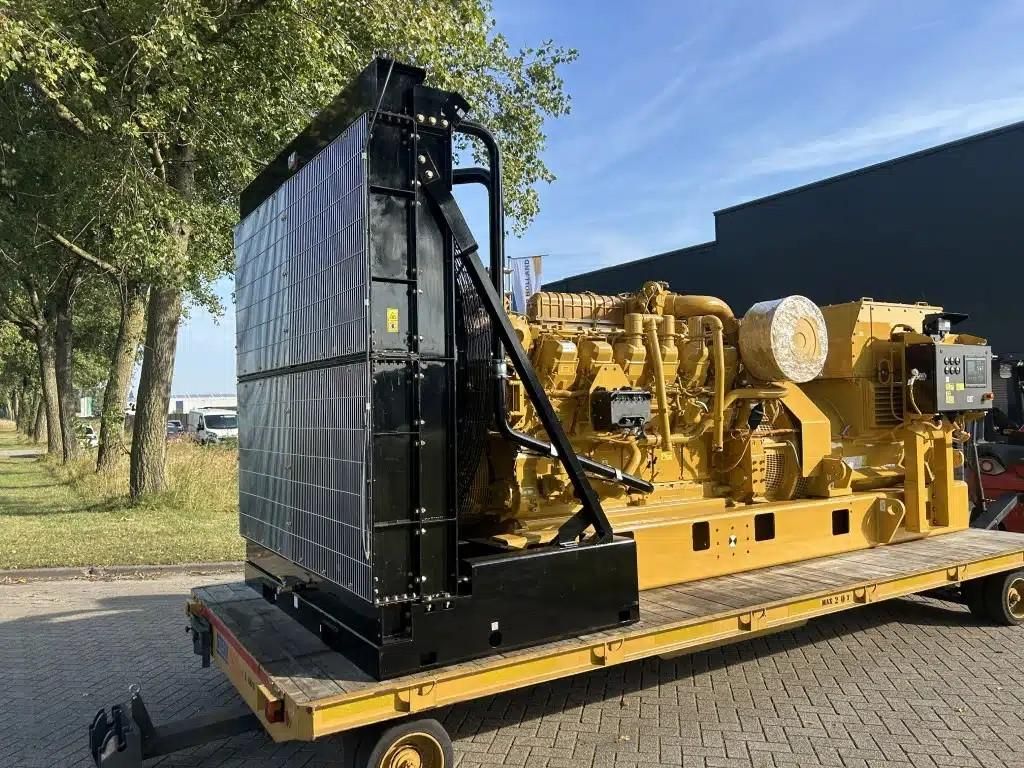
At their core, diesel generators are designed to provide a practical response to power interruptions. They support essential systems, prevent operational disruptions, and help maintain safety and productivity across multiple sectors.
Importance: Why Diesel Power Generators Matter Today
Diesel power generators continue to play a vital role in modern energy systems. Even in regions with advanced power grids, outages can occur due to natural events, technical faults, or maintenance activities. Diesel generators act as a reliable safeguard against these interruptions.
Their importance is especially evident in sectors where continuous power is critical. Healthcare facilities rely on uninterrupted electricity to operate life-saving equipment. Communication networks, financial institutions, and digital infrastructure depend on backup power to maintain data integrity and connectivity. Industrial operations use generators to avoid costly downtime and protect sensitive machinery.
Key problems diesel power generators help address include:
-
Power interruptions that disrupt essential services
-
Voltage instability that can damage equipment
-
Limited access to grid electricity in remote areas
-
Emergency preparedness for unforeseen events
Diesel generators also support planned power management strategies, such as peak load handling and temporary power needs during infrastructure development. Their ability to start quickly and deliver consistent output makes them a dependable solution in situations where reliability is a priority.
Recent Updates: Changes, Trends, and Developments
In recent times, diesel power generator technology has seen notable improvements focused on efficiency, monitoring, and environmental performance. Manufacturers have refined engine designs to improve fuel utilization and reduce emissions while maintaining performance standards.
One major trend is the integration of digital monitoring systems. Modern diesel generators often include sensors and control panels that provide real-time data on fuel levels, load capacity, temperature, and maintenance status. These systems help operators manage performance more effectively and identify potential issues early.
Another development is the increased use of hybrid power configurations. Diesel generators are now more frequently paired with renewable energy sources and energy storage systems. This approach allows generators to operate more efficiently by reducing run times and optimizing fuel consumption.
Noise reduction technologies have also advanced, making generators more suitable for urban and sensitive environments. Improved acoustic enclosures and vibration control systems contribute to quieter operation without compromising output.
These updates reflect a broader shift toward smarter, cleaner, and more adaptable power generation solutions, while maintaining the core reliability that diesel generators are known for.
Laws or Policies: Regulatory and Policy Considerations
Diesel power generators are influenced by a range of regulatory frameworks related to emissions, safety, and operational standards. Authorities typically set guidelines to control exhaust emissions, noise levels, and fuel handling practices. These rules aim to balance the need for reliable power with environmental and public health considerations.
Compliance often involves meeting specific performance benchmarks, using approved fuels, and following prescribed maintenance practices. In some regions, generators used for standby power are subject to different requirements than those used for continuous operation.
Policy initiatives may also encourage the adoption of cleaner technologies and improved efficiency. This has led to wider acceptance of advanced engines, emission control systems, and integrated power solutions. Understanding applicable regulations helps users ensure responsible and lawful operation while supporting broader energy and environmental goals.
Tools and Resources: Helpful Aids for Understanding and Management
A variety of tools and resources are available to help individuals and organizations better understand and manage diesel power generators. These resources focus on planning, operation, and performance analysis rather than commercial transactions.
Useful tools and resources include:
-
Load calculation tools to estimate required generator capacity
-
Fuel consumption calculators for operational planning
-
Generator monitoring software for performance tracking
-
Maintenance scheduling templates to support routine checks
-
Technical documentation libraries explaining generator components
-
Educational guides on power generation principles
The table below outlines common generator components and their functions:
| Component | Purpose |
|---|---|
| Diesel Engine | Converts fuel into mechanical energy |
| Alternator | Transforms mechanical energy into electricity |
| Fuel System | Stores and supplies diesel to the engine |
| Cooling System | Regulates operating temperature |
| Control Panel | Monitors and manages generator operation |
| Exhaust System | Directs and treats engine emissions |
These resources support informed decision-making and responsible use, helping users gain practical knowledge without requiring specialized technical backgrounds.
FAQs: Common Questions About Diesel Power Generators
How does a diesel power generator produce electricity?
A diesel generator produces electricity by burning diesel fuel in an engine. The engine’s mechanical motion drives an alternator, which converts this motion into electrical energy through electromagnetic induction.
What are diesel generators mainly used for?
They are used for backup power during outages, continuous power in off-grid locations, and supplementary power during peak demand or maintenance periods.
Are diesel generators suitable for long operating hours?
Yes, diesel generators are designed for durability and can operate for extended periods when properly maintained, making them suitable for both standby and prime power applications.
How is generator capacity determined?
Capacity is determined by calculating the total electrical load that needs to be supported, including starting and running requirements of connected equipment.
What maintenance is typically required?
Routine maintenance includes checking fuel quality, monitoring oil levels, inspecting filters, and testing control systems to ensure reliable performance.
Conclusion
Diesel power generators remain an essential part of modern power systems. They exist to address the fundamental need for reliable electricity in situations where grid power cannot be guaranteed. Their importance spans critical services, industrial operations, and emergency preparedness, offering a dependable solution to power-related challenges.
Ongoing technological improvements have enhanced efficiency, monitoring, and adaptability, ensuring that diesel generators continue to meet evolving energy needs. Regulatory frameworks guide their responsible use, while a wide range of tools and educational resources help users understand and manage these systems effectively.
By providing stable and flexible power support, diesel power generators continue to play a significant role in maintaining continuity, safety, and resilience across diverse applications.