Explore Crawler Cranes: Basics, Explanation, and Key Information
Crawler cranes are a category of heavy lifting equipment designed to move and lift extremely large loads on construction and infrastructure sites. They are mounted on a set of tracked undercarriages, known as crawlers, which allow the crane to travel across uneven or soft ground without relying on wheels.
The concept of crawler cranes exists because many construction environments are not suitable for traditional wheeled cranes. Large-scale projects such as bridges, power plants, ports, industrial facilities, and high-rise structures often require equipment that can remain stable while lifting massive components. Tracked mobility allows these cranes to reposition without dismantling, making them practical for complex and evolving work sites.
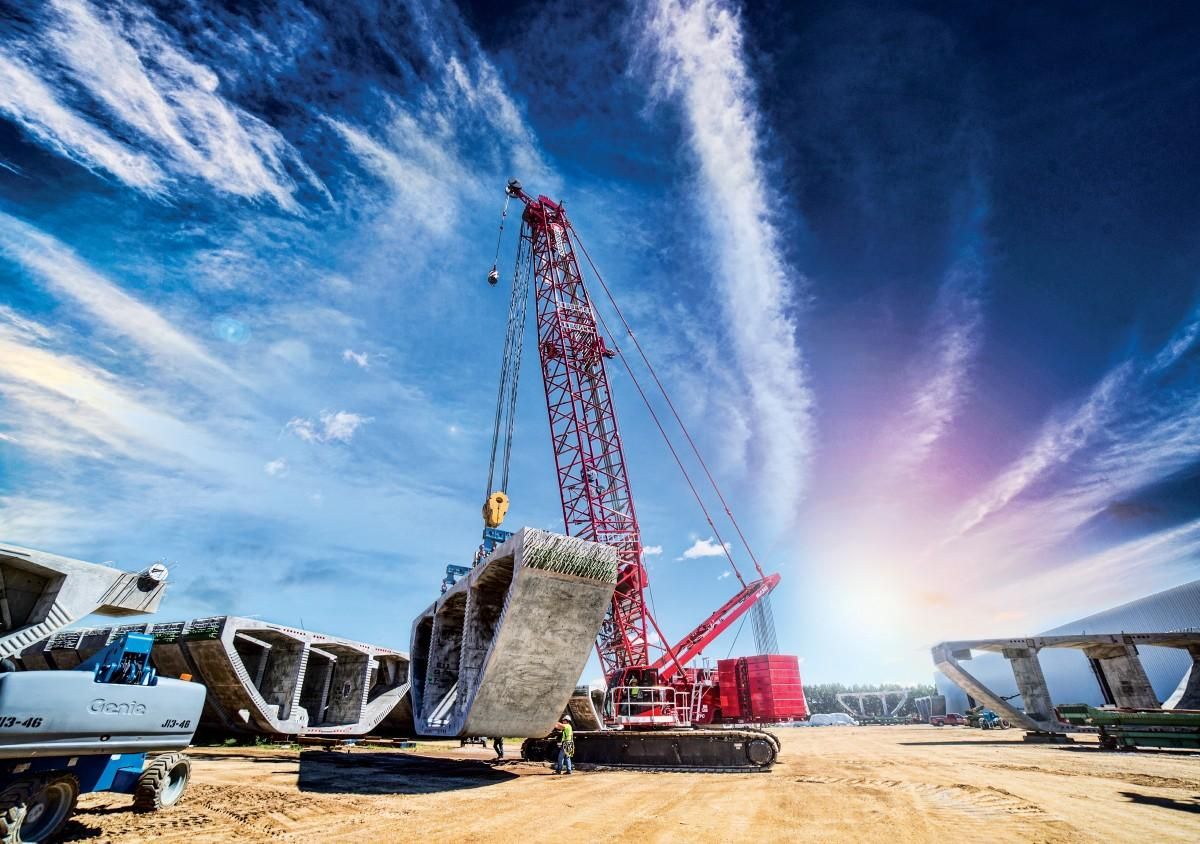
Crawler cranes are commonly used alongside other construction machinery such as excavators, piling rigs, and tower cranes. Their ability to handle heavy loads with precision makes them an essential part of modern construction engineering and infrastructure development.
Importance
Crawler cranes matter today because construction projects have become larger, heavier, and more technically demanding. Modern infrastructure relies on prefabricated components, large steel assemblies, and heavy concrete elements that must be lifted safely and accurately.
These cranes affect a wide range of stakeholders, including:
-
Infrastructure developers working on bridges, rail corridors, and ports
-
Energy sector projects involving wind turbines, power plants, and transmission equipment
-
Industrial construction where heavy machinery installation is required
-
Urban development projects with limited ground stability
Key problems crawler cranes help solve include:
-
Ground stability challenges: Tracked systems distribute weight over a larger surface area, reducing ground pressure.
-
Heavy lifting requirements: Designed to handle extremely high load capacities.
-
Precision placement: Advanced control systems allow accurate positioning of loads.
-
On-site mobility: Ability to move short distances while carrying or preparing loads.
Because of these advantages, crawler cranes play a critical role in maintaining safety, efficiency, and structural accuracy in complex construction environments.
Recent Updates
In recent months, crawler crane technology has continued to evolve, focusing on efficiency, safety, and environmental performance. Manufacturers have introduced enhanced control systems that use digital monitoring to track load limits, ground pressure, and boom configurations in real time.
Another notable trend is the increased use of modular boom designs. These designs allow cranes to be configured more flexibly, adapting to different lifting heights and radii without extensive downtime. Hybrid power systems have also gained attention, combining traditional engines with electric components to reduce emissions and fuel consumption on site.
Remote monitoring and telematics have expanded, enabling project teams to analyze crane performance data, maintenance indicators, and operational efficiency. These updates reflect a broader industry shift toward data-driven construction equipment management.
Laws or Policies
Crawler cranes operate within a framework of safety standards and engineering regulations designed to protect workers and structures. General construction safety rules typically define requirements for:
-
Operator certification and competency
-
Load charts and rated capacity compliance
-
Routine inspection and maintenance procedures
-
Site planning, including ground assessment and lift planning
Engineering standards often specify how cranes should be assembled, tested, and operated to prevent structural failure. Environmental policies may also influence crane usage by encouraging lower-emission machinery and noise control measures on construction sites.
While specific regulations vary by region, the overall policy environment emphasizes safety, accountability, and responsible equipment operation.
Tools and Resources
Several tools and resources help professionals and learners better understand crawler crane operations and planning:
-
Load moment indicators (LMI): Systems that provide real-time feedback on lifting limits
-
Lift planning software: Digital tools used to simulate crane configurations and lifting paths
-
Ground bearing pressure calculators: Used to assess soil capacity before crane setup
-
Equipment manuals and technical guides: Detailed documentation provided by manufacturers
-
Construction safety standards publications: Reference materials outlining operational best practices
These resources support informed decision-making and improve safety awareness across construction projects.
Technical Overview Table
| Feature | Description |
|---|---|
| Mobility System | Tracked crawler undercarriage |
| Typical Applications | Infrastructure, industrial, energy projects |
| Lifting Capacity Range | Medium to extremely high loads |
| Ground Adaptability | Suitable for soft or uneven terrain |
| Control Systems | Mechanical, hydraulic, and digital controls |
Operational Comparison Table
| Crane Type | Mobility | Ground Requirement | Typical Use |
|---|---|---|---|
| Crawler Crane | Tracked | Soft to firm ground | Heavy lifting |
| Mobile Crane | Wheeled | Firm, prepared ground | Short-term lifts |
| Tower Crane | Fixed | Permanent foundation | Vertical construction |
FAQs
What makes crawler cranes different from other cranes?
Crawler cranes use tracked undercarriages instead of wheels, allowing better stability and movement on uneven ground.
Can crawler cranes move while carrying loads?
They can travel short distances on site, but movement with a suspended load depends on safety guidelines and load limits.
Are crawler cranes suitable for confined spaces?
They require significant setup space, but modular designs allow some flexibility in constrained environments.
How is lifting capacity determined?
Capacity is defined by load charts that consider boom length, radius, and configuration.
Do crawler cranes require ground preparation?
Yes, ground assessment is essential to ensure adequate bearing capacity and safe operation.
Conclusion
Crawler cranes are a foundational element of modern construction and infrastructure development. Their tracked mobility, high lifting capacity, and adaptability make them suitable for demanding environments where precision and stability are essential. Ongoing technological updates continue to improve safety, efficiency, and environmental performance.
Understanding how crawler cranes work, why they are important, and how they are regulated provides valuable insight into the broader construction machinery landscape. As projects grow in scale and complexity, crawler cranes remain a reliable solution for heavy lifting challenges.