Explore Cloud Hosting Platforms: Basics, Overview, and Key Information
Cloud hosting platforms are digital infrastructures that allow data, applications, and websites to run on interconnected servers rather than a single physical machine. Instead of relying on one fixed server, cloud hosting distributes computing tasks across multiple virtual environments. This approach improves stability, flexibility, and performance.
The concept exists to address the limitations of traditional hosting systems, where hardware failures, traffic spikes, or storage limits could disrupt operations. Cloud hosting platforms were developed to support scalable digital environments that adapt to changing demands without manual intervention.
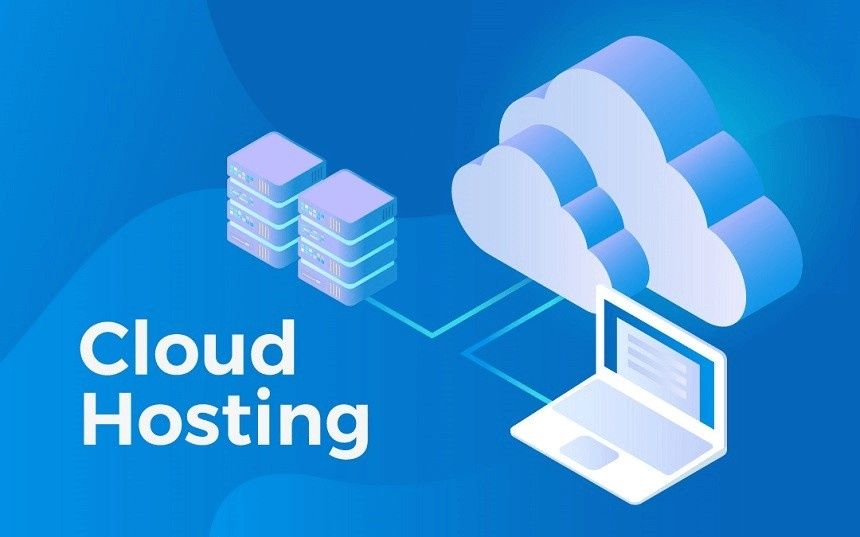
Today, these platforms form the backbone of modern online services, including websites, mobile applications, data analytics systems, and enterprise software. They enable organizations and individuals to manage computing resources efficiently while maintaining consistent availability.
Importance: Why Cloud Hosting Platforms Matter Today
Cloud hosting platforms play a critical role in the digital ecosystem. As online activities grow and data volumes increase, reliable infrastructure becomes essential. These platforms support continuous access, fast performance, and adaptable capacity.
They affect a wide range of users, including:
-
Content publishers and educators
-
Software developers and IT teams
-
Data analysts and researchers
-
Businesses managing digital operations
Key problems cloud hosting platforms help address include:
-
Downtime caused by single-server failures
-
Limited scalability during traffic surges
-
Inefficient resource utilization
-
Challenges in remote access and collaboration
By spreading workloads across multiple servers, cloud hosting platforms reduce risk and improve resilience. They also support automation, allowing systems to adjust resources based on real-time usage.
Recent Updates: Trends and Developments in Cloud Hosting
In recent months, cloud hosting platforms have seen notable shifts driven by performance, security, and sustainability priorities.
One significant trend is the increased focus on distributed cloud architectures, where services are deployed closer to end users to reduce latency. Another development is the growing integration of artificial intelligence for infrastructure monitoring, enabling predictive maintenance and performance optimization.
Security enhancements have also been emphasized, with more platforms adopting zero-trust access models and advanced encryption standards. Additionally, there is a visible move toward energy-efficient data centers, reflecting environmental considerations in infrastructure planning.
These updates indicate a broader transition toward smarter, more adaptive cloud environments that prioritize reliability and responsible resource usage.
Laws or Policies: Regulatory Influence on Cloud Hosting
Cloud hosting platforms operate within frameworks shaped by data protection rules, digital governance standards, and cybersecurity policies. Regulations often focus on how data is stored, processed, and accessed, particularly when sensitive or personal information is involved.
Key regulatory influences include:
-
Data privacy requirements that govern user information handling
-
Security compliance standards for infrastructure integrity
-
Cross-border data transfer guidelines
-
Transparency and accountability obligations
These rules encourage cloud hosting platforms to implement strong security controls, maintain clear data management practices, and ensure operational transparency. Compliance helps build trust and supports long-term stability in digital environments.
Tools and Resources: Helpful Cloud Hosting References
A variety of tools and resources support understanding and managing cloud hosting platforms effectively.
Commonly Used Tools and Platforms
-
Cloud management dashboards for resource monitoring
-
Infrastructure-as-code tools for configuration automation
-
Performance monitoring and logging systems
-
Backup and disaster recovery utilities
Educational and Reference Resources
-
Technical documentation libraries
-
Cloud architecture diagrams and templates
-
Online learning portals for cloud fundamentals
-
Industry reports on cloud infrastructure trends
Example Comparison Table
| Feature Area | Traditional Hosting | Cloud Hosting Platforms |
|---|---|---|
| Scalability | Limited | Highly flexible |
| Resource Allocation | Fixed | Dynamic |
| Fault Tolerance | Low | High |
| Deployment Speed | Slower | Faster |
FAQs: Common Questions About Cloud Hosting Platforms
What is the main difference between cloud hosting and server-based hosting?
Cloud hosting uses multiple interconnected servers, while server-based hosting relies on a single physical machine. This makes cloud environments more resilient and adaptable.
Are cloud hosting platforms suitable for small-scale projects?
Yes. Cloud hosting platforms can support both small and large projects by adjusting resources according to usage needs.
How do cloud hosting platforms improve reliability?
They distribute workloads across several servers, so if one component fails, others continue functioning without interruption.
What role does virtualization play in cloud hosting?
Virtualization allows physical hardware to be divided into multiple virtual environments, enabling efficient resource sharing and isolation.
How is data protected on cloud hosting platforms?
Protection measures typically include encryption, access controls, monitoring systems, and compliance with data governance standards.
Data Overview: Cloud Hosting Capability Distribution
Below is a simplified representation of how cloud hosting resources are commonly allocated:
| Resource Type | Average Allocation Share |
|---|---|
| Computing | 40% |
| Storage | 30% |
| Networking | 20% |
| Monitoring | 10% |
This distribution highlights the emphasis on processing power and data storage within cloud environments.
Conclusion: Key Takeaways on Cloud Hosting Platforms
Cloud hosting platforms exist to provide flexible, resilient, and efficient digital infrastructure. By replacing single-server limitations with distributed systems, they support continuous access, scalable growth, and improved performance.
Their importance continues to grow as digital activities expand and infrastructure demands become more complex. Ongoing updates in security, automation, and sustainability demonstrate how these platforms evolve to meet modern requirements.
Understanding cloud hosting platforms helps users make informed decisions about digital infrastructure while appreciating the systems that support today’s connected world.