Explore Cloud Analytics Tools: Basics, Explanation, and Key Information
Cloud analytics tools are digital platforms designed to collect, process, analyze, and visualize data using cloud-based infrastructure. These tools exist to help organizations and individuals work with large volumes of data without relying on local hardware or complex on-site systems. Instead of storing data on personal servers, information is handled through remote cloud environments that can scale as data grows.
The rise of cloud computing, big data analytics, and data-driven decision-making led to the development of cloud analytics tools. As businesses, institutions, and digital platforms began generating massive amounts of structured and unstructured data, traditional data analysis methods became limited. Cloud analytics emerged to address the need for flexible data storage, faster processing, and easier access to insights from anywhere.
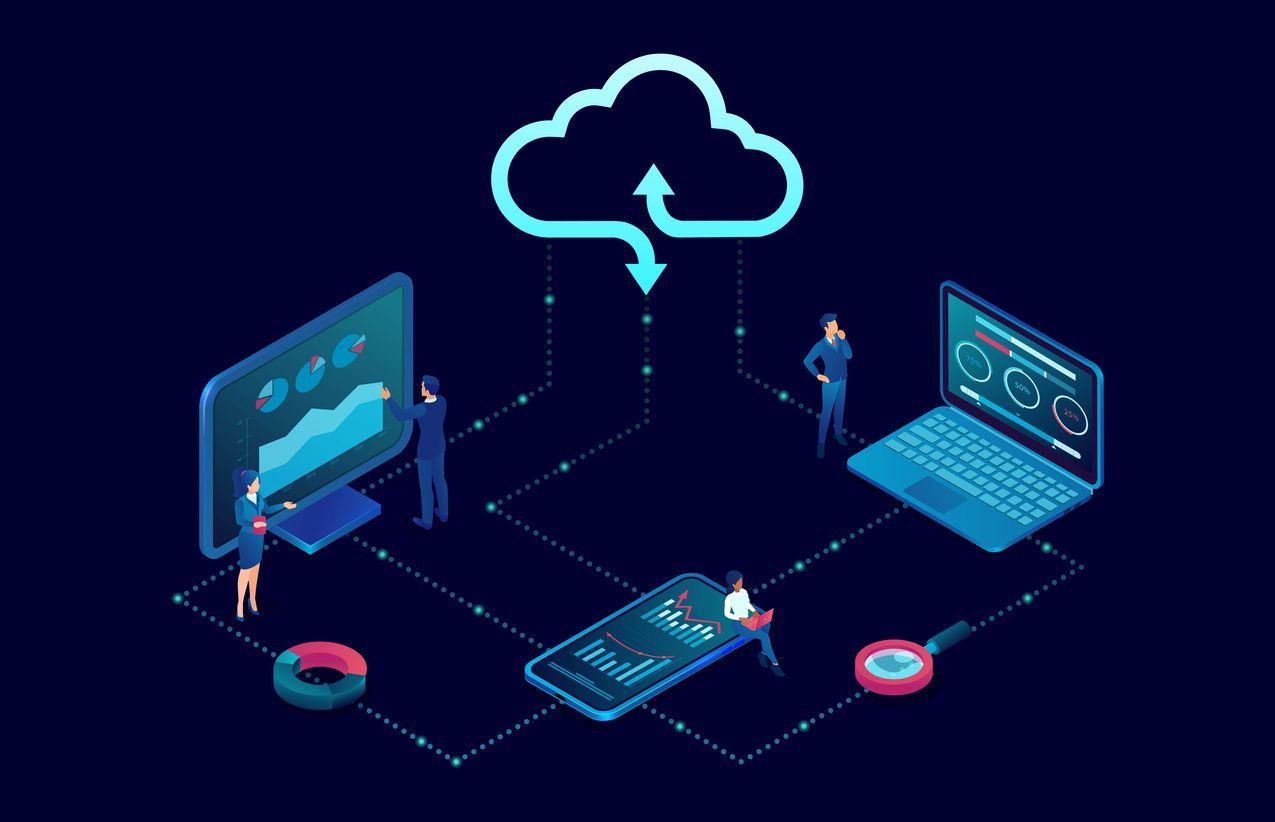
At a basic level, cloud analytics tools connect data sources, apply analytical models, and present results through dashboards, charts, and reports. They are commonly used for performance tracking, forecasting, risk assessment, and operational monitoring across many industries.
Importance
Cloud analytics tools matter because data has become a central asset in modern digital environments. These tools help transform raw data into meaningful information that supports informed decisions.
They affect a wide range of users, including:
-
Business analysts and data teams
-
Researchers and educators
-
Technology and operations teams
-
Financial and strategic planners
Key problems cloud analytics tools help address include:
-
Managing large and complex datasets
-
Reducing delays in data processing
-
Improving data accessibility across teams
-
Supporting real-time and predictive analytics
Unlike traditional analytics systems, cloud-based analytics platforms can scale automatically. This means they can handle sudden increases in data volume without manual intervention. They also support advanced analytics techniques such as machine learning analytics, predictive analytics, and real-time data analytics, which are increasingly important for understanding patterns and trends.
From an information management perspective, cloud analytics tools support data integration, data governance, and analytics automation. This makes them relevant not only for technical users but also for decision-makers who rely on accurate and timely insights.
Recent Updates
In recent times, cloud analytics tools have evolved in response to changes in data usage and technology capabilities. One noticeable trend is the increased focus on real-time analytics, where data is analyzed as it is generated rather than after storage. This approach supports faster responses to changing conditions.
Another update involves the integration of artificial intelligence and machine learning features directly into analytics platforms. These enhancements allow tools to detect patterns, generate forecasts, and provide automated insights with minimal manual configuration.
There has also been growth in self-service analytics. Modern cloud analytics platforms increasingly allow non-technical users to explore data using visual interfaces, reducing dependence on specialized data teams.
Data privacy and security features have also expanded. Many platforms now include built-in data encryption, access controls, and monitoring tools to support responsible data handling.
Laws or Policies
Cloud analytics tools operate within broader data governance and digital compliance frameworks. Regulations related to data protection, data residency, and responsible data use influence how analytics platforms are designed and implemented.
Common policy-related considerations include:
-
Data privacy requirements for personal and sensitive information
-
Rules around data storage, access, and sharing
-
Standards for data accuracy, transparency, and accountability
Cloud analytics tools often include features to support compliance, such as audit logs, role-based access, and data classification options. These features help organizations align analytics practices with applicable guidelines and regulatory expectations without referencing specific regional rules.
Tools and Resources
Cloud analytics ecosystems include a wide range of tools and resources that support data analysis, visualization, and reporting. Below is an overview of commonly used categories.
Data Analytics Platforms
-
Cloud-based data analytics software
-
Big data analytics platforms
-
Predictive analytics tools
-
Real-time analytics dashboards
Visualization and Reporting
-
Interactive dashboards
-
Data visualization tools
-
Reporting and performance tracking systems
Data Management Resources
-
Cloud data warehouses
-
Data integration and ETL tools
-
Analytics data pipelines
Learning and Reference Resources
-
Documentation libraries
-
Analytics frameworks and models
-
Online knowledge bases and tutorials
Example Comparison Table
| Feature Area | Traditional Analytics | Cloud Analytics Tools |
|---|---|---|
| Scalability | Limited | Highly scalable |
| Access | Location-dependent | Remote access |
| Processing Speed | Fixed capacity | Elastic computing |
| Advanced Analytics | Limited | Integrated AI analytics |
Data Flow Overview (Text-Based Graph)
Data Sources
⬇
Cloud Storage
⬇
Analytics Engine
⬇
Dashboards & Reports
This simplified flow shows how data moves through a typical cloud analytics environment, from collection to insight generation.
FAQs
What are cloud analytics tools used for?
Cloud analytics tools are used to analyze data stored in cloud environments. They help identify patterns, trends, and insights that support data-driven understanding and planning.
How do cloud analytics tools differ from traditional analytics?
Traditional analytics often rely on fixed infrastructure, while cloud analytics tools use scalable cloud resources. This allows greater flexibility, faster processing, and broader accessibility.
Are cloud analytics tools suitable for large datasets?
Yes, they are specifically designed to handle large and complex datasets using distributed computing and scalable storage systems.
Do cloud analytics tools support real-time data analysis?
Many modern platforms support real-time or near real-time analytics, allowing users to analyze data as it is generated.
What skills are useful for understanding cloud analytics tools?
Basic knowledge of data analysis concepts, data visualization, and cloud computing fundamentals is helpful. Many tools are designed to be accessible to non-technical users as well.
Conclusion
Cloud analytics tools play an important role in modern data ecosystems by enabling scalable, flexible, and accessible data analysis. They exist to address the growing need for timely insights from increasingly large and diverse datasets.
By supporting advanced analytics, real-time processing, and user-friendly visualization, these tools help transform raw data into structured knowledge. Their continued development reflects broader trends in cloud computing, artificial intelligence, and data governance.
As data continues to expand across digital platforms, cloud analytics tools remain a key resource for understanding information, improving transparency, and supporting informed decision-making in a wide range of contexts.