Explore CIP (Cleaning in Place) Systems: Basics, Explanation, and Key Information
Cleaning in Place (CIP) systems are automated cleaning solutions designed to clean the interior surfaces of industrial equipment, pipes, tanks, and process lines without dismantling them. These systems exist to maintain hygiene, operational safety, and process efficiency in industries where cleanliness is critical. By circulating cleaning fluids through equipment in a controlled manner, CIP systems help ensure that residues, contaminants, and microorganisms are removed consistently and reliably.
CIP technology emerged as industrial processes became more complex and continuous. Manual cleaning methods were time-consuming, inconsistent, and increased the risk of contamination and equipment damage. CIP systems were developed to standardize cleaning, reduce downtime, and improve overall process control while meeting strict hygiene requirements.
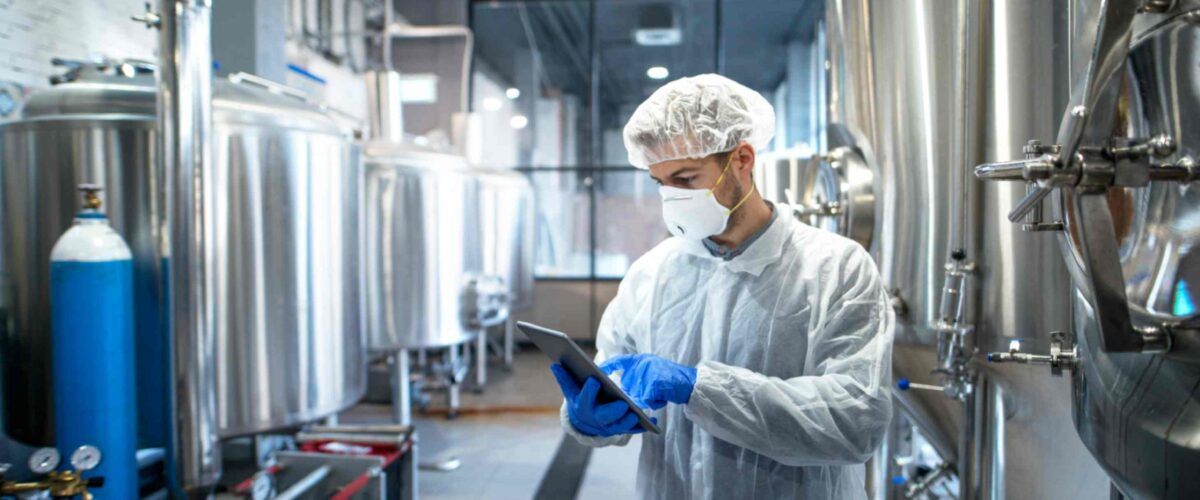
Why CIP (Cleaning in Place) Systems Matter Today
CIP systems play a significant role in modern manufacturing and processing environments. They affect operators, quality teams, engineers, and compliance professionals across multiple industries. Their importance is tied to safety, efficiency, and regulatory expectations.
Key reasons CIP systems matter include:
-
Process hygiene and safety
CIP systems reduce microbial growth and cross-contamination risks, supporting product integrity and consumer safety. -
Operational efficiency
Automated cleaning minimizes equipment downtime and supports continuous production workflows. -
Consistency and repeatability
Predefined cleaning cycles ensure that every cleaning process follows the same validated parameters. -
Resource optimization
Modern CIP designs aim to reduce water, energy, and chemical usage while maintaining effective cleaning performance.
Industries commonly associated with high CPC keywords such as industrial cleaning systems, process hygiene solutions, and automated CIP systems rely on this technology to solve recurring sanitation challenges without interrupting production.
Recent Developments and Trends in CIP Systems
Over the past year, CIP systems have continued to evolve alongside digital transformation and sustainability goals in industrial operations. Several notable trends have been observed:
-
Data-driven cleaning validation
Increased use of sensors and monitoring tools to track conductivity, temperature, and flow rates during CIP cycles. -
Smart automation integration
CIP systems are increasingly connected with plant control systems for real-time feedback and adaptive cleaning sequences. -
Sustainability-focused design updates
Newer systems emphasize reduced water consumption, optimized chemical dosing, and improved heat recovery. -
Enhanced documentation practices
Digital recordkeeping has gained attention for traceability, audits, and compliance reporting.
These updates reflect a broader industry focus on efficiency, transparency, and environmental responsibility rather than manual intervention.
Rules, Regulations, and Policy Influence on CIP Systems
CIP systems are closely influenced by hygiene standards, quality frameworks, and safety guidelines established by regulatory and industry bodies. While specific legal structures vary by region, common regulatory themes shape how CIP systems are designed and operated.
General regulatory influences include:
-
Hygiene and sanitation standards
Requirements for cleanable equipment and validated cleaning procedures. -
Process documentation and traceability
Expectations for recorded evidence of effective cleaning cycles. -
Occupational safety considerations
Guidelines that limit worker exposure to hazardous cleaning chemicals and high-temperature processes. -
Environmental compliance principles
Encouragement of responsible water and chemical management.
These frameworks guide the adoption of reliable CIP system design and emphasize verification rather than manual inspection.
Tools and Resources Related to CIP Systems
A range of technical and educational resources support understanding and managing CIP systems. These tools help professionals plan, monitor, and evaluate cleaning processes.
Commonly referenced tools and resources include:
-
CIP cycle calculation spreadsheets
Used to estimate flow rates, contact times, and solution volumes. -
Process simulation software
Helps visualize cleaning coverage and optimize system layouts. -
Online technical documentation libraries
Provide standards, best practices, and guidance notes related to hygienic design. -
Sensor-based monitoring instruments
Measure parameters such as temperature, conductivity, and pressure during cleaning cycles. -
Training manuals and digital learning modules
Support operator knowledge on CIP operation and troubleshooting.
These resources align with informational search intent keywords like CIP system design guide and cleaning in place process explanation.
Key Components of a Typical CIP System
Understanding CIP systems becomes easier when broken down into their main components. Each part plays a specific role in ensuring effective cleaning.
| Component | Primary Function |
|---|---|
| Storage Tanks | Hold water, detergents, and rinse solutions |
| Pumps | Circulate cleaning fluids through equipment |
| Heat Exchangers | Control solution temperature |
| Valves and Manifolds | Direct flow to specific process lines |
| Sensors | Monitor flow, temperature, and concentration |
| Control Unit | Automates and sequences the cleaning cycle |
This modular structure allows CIP systems to be adapted for different equipment sizes and process complexities.
Typical CIP Cleaning Stages Explained
A standard CIP process follows a logical sequence to ensure thorough cleaning. While configurations vary, the stages below are widely recognized.
-
Pre-rinse
Removes loose residues using water. -
Detergent wash
Breaks down fats, proteins, or mineral deposits. -
Intermediate rinse
Clears remaining detergent traces. -
Final rinse or sanitization
Ensures surfaces are clean and ready for use.
The effectiveness of each stage depends on time, temperature, chemical concentration, and mechanical action.
Frequently Asked Questions About CIP Systems
What does CIP mean in industrial cleaning?
CIP refers to Cleaning in Place, a method that cleans equipment interiors without disassembly by circulating cleaning solutions through the system.
Which industries commonly use CIP systems?
CIP systems are widely used in food processing, beverage production, pharmaceuticals, biotechnology, and chemical processing.
How is cleaning effectiveness verified in CIP systems?
Effectiveness is typically verified using monitored parameters such as temperature, flow rate, and conductivity, along with periodic inspections or testing.
Are CIP systems customizable?
Yes, CIP systems can be configured to match different process lines, equipment sizes, and hygiene requirements.
What skills are needed to operate CIP systems?
Operators usually require basic process knowledge, understanding of control interfaces, and awareness of safety procedures.
Conclusion
CIP (Cleaning in Place) systems represent a foundational technology in modern industrial hygiene. By automating and standardizing cleaning processes, they support safety, consistency, and operational reliability across multiple sectors. Ongoing improvements in monitoring, automation, and resource efficiency continue to shape how CIP systems are designed and managed. For a general audience, understanding the basics of CIP systems provides insight into how industries maintain cleanliness and quality behind the scenes without interrupting production.