Importance: Why Chain-Link Chokers Matter Today
Chain-link chokers matter because they reflect broader changes in fashion culture, sustainability awareness, and consumer preferences in the global jewelry market.
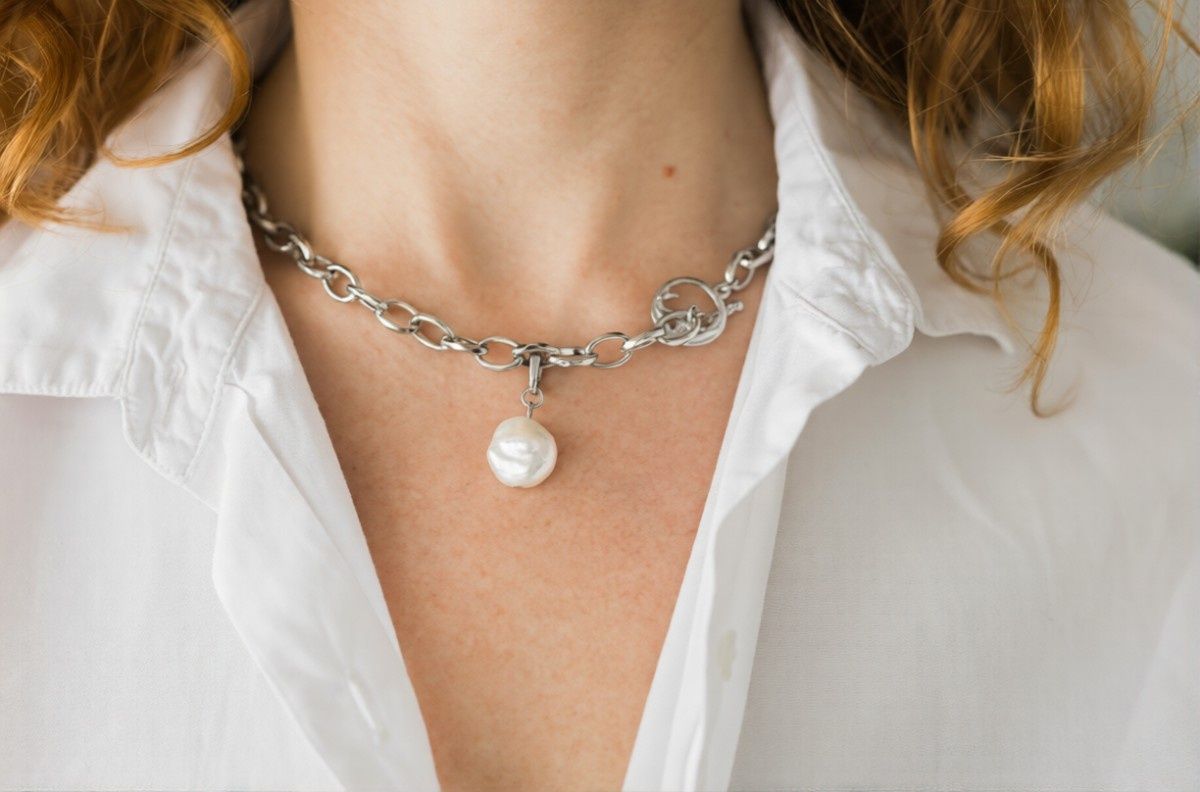
First, they align with contemporary fashion accessories guide principles—versatility and adaptability. A single chain-link choker can be worn with formal attire, office wear, or casual outfits. This adaptability reduces the need for excessive accessory purchases and supports mindful consumption.
Second, they are relevant in discussions about sustainable jewelry materials. Many manufacturers now use recycled metals or responsibly sourced materials. This shift responds to increasing awareness around ethical sourcing and environmental responsibility in the luxury jewelry industry.
Third, they influence styling techniques across demographics:
-
Young adults explore bold, chunky link designs.
-
Professionals prefer minimalist gold chain necklace styles.
-
Fashion enthusiasts experiment with layered jewelry combinations.
Chain-link chokers also address practical styling concerns. For example:
-
They frame the collarbone effectively.
-
They provide balance for deep necklines.
-
They add structure to oversized garments.
In digital spaces, especially social media and fashion blogs, jewelry styling tips frequently highlight chokers as foundational pieces for layering. This visibility has reinforced their place in modern accessory collections.
Recent Updates: Evolving Trends and Material Innovations
In the past year, several notable developments have influenced chain-link choker designs and discussions in the jewelry industry.
One trend is the resurgence of chunky gold links. Inspired by vintage aesthetics, these bold designs emphasize thicker links and high-polish finishes. Fashion analysts have observed increased appearances of oversized chain chokers in runway collections and editorial styling.
Another shift is the growth of mixed-metal jewelry. Designers now combine gold and silver tones within a single chain-link choker. This approach eliminates the need to match all accessories in one metal tone and supports flexible styling.
Sustainability reporting within the jewelry sector has also expanded. Brands have increased transparency about recycled metal usage and traceable sourcing. Educational content around ethical supply chains has become more visible in industry publications.
Minimalist designs remain popular as well. Thin, uniform links with subtle clasps cater to individuals who prefer understated elegance over bold statement pieces.
The table below summarizes recent design trends:
| Trend Category | Design Characteristics | Styling Impact |
|---|
| Chunky Links | Thick, oversized loops | Strong focal point |
| Mixed Metals | Gold and silver combinations | Flexible coordination |
| Sustainable Materials | Recycled metals, traceable sourcing | Ethical fashion alignment |
| Minimalist Chains | Slim, uniform links | Everyday versatility |
These changes reflect broader luxury jewelry trends where craftsmanship, transparency, and adaptability are prioritized.
Laws or Policies: Regulatory Considerations in Jewelry
Chain-link chokers, like other metal jewelry pieces, are influenced by general product safety and labeling regulations.
Most countries enforce standards related to:
-
Metal purity markings (such as karat stamps for gold)
-
Nickel content limits to prevent allergic reactions
-
Consumer product safety testing
-
Accurate labeling of materials
Regulatory authorities typically require that precious metals meet specific purity standards before being marketed as gold, silver, or platinum. For example, gold jewelry must contain a defined percentage of pure gold to carry a particular karat designation.
Environmental regulations may also apply to mining and metal sourcing practices. Compliance frameworks encourage responsible extraction methods and reduction of hazardous substances in production processes.
In addition, import and export regulations govern the cross-border movement of precious metals. Documentation and certification processes are often required for international trade.
Understanding these regulatory aspects helps consumers evaluate authenticity and safety without relying on marketing claims.
Tools and Resources for Understanding and Styling Chain-Link Chokers
Several digital tools and resources can help individuals learn more about chain-link chokers and related jewelry knowledge.
Jewelry Purity Calculators
Online calculators allow users to convert between karat values and gold purity percentages. This supports better understanding of material composition.
Necklace Length Measurement Charts
Printable templates and measurement guides help determine the correct choker length based on neck circumference.
Fashion Styling Platforms
Visual platforms and digital lookbooks provide examples of layered necklace styling and outfit coordination ideas.
Sustainability Certification Databases
Independent certification directories list organizations that verify responsible sourcing and environmental compliance in the jewelry sector.
Metal Allergy Information Portals
Educational websites explain common metal sensitivities and recommended alternatives such as hypoallergenic alloys.
Below is a simple comparison of common metals used in chain-link chokers:
| Metal Type | Durability | Tarnish Resistance | Common Use Case |
|---|
| Gold (varied karat) | High | Strong | Luxury jewelry trends |
| Sterling Silver | Moderate | Moderate | Everyday fashion accessories |
| Stainless Steel | High | Very strong | Durable minimalist styles |
| Platinum | Very high | Excellent | Premium high-end designs |
Using these resources encourages informed decisions rooted in factual understanding rather than impulse choices.
FAQs
What is the standard length of a chain-link choker?
Most chokers measure between 14 and 16 inches. The exact fit depends on neck circumference and desired tightness.
Are chain-link chokers suitable for sensitive skin?
It depends on the metal. Hypoallergenic materials such as platinum or surgical-grade stainless steel are generally recommended for individuals with metal sensitivities.
Can chain-link chokers be layered with other necklaces?
Yes. Layering works best when combining different lengths and link sizes. A choker typically acts as the shortest base layer.
How do I maintain the shine of a gold chain necklace style?
Regular cleaning with a soft cloth and proper storage in a dry environment helps preserve finish. Avoid exposure to harsh chemicals.
Do chunky chain-link chokers suit all necklines?
Chunky designs pair well with simple or structured necklines. For high-collar outfits, slimmer chains may create better balance.
Conclusion
Chain-link chokers represent a blend of tradition and contemporary design. Their structure, material diversity, and adaptability make them significant within luxury jewelry trends and modern fashion accessories discussions.
Recent developments emphasize sustainability, mixed-metal styling, and bold link experimentation. At the same time, regulatory standards ensure safety, accurate labeling, and responsible production practices.
By understanding materials, trends, and measurement considerations, individuals can make informed choices rooted in jewelry education rather than impulse. Chain-link chokers remain a relevant accessory not because of fleeting popularity, but because of their enduring versatility and craftsmanship.