Explore Car Body Welding Robots: A Complete Guide with Key Insights
Car body welding robots are automated systems designed to perform precise welding tasks during vehicle manufacturing. They were developed to solve challenges related to consistency, safety, and productivity in automotive body assembly. These robots typically use technologies such as spot welding, arc welding, laser welding, and intelligent sensing to join metal components that form the structure of a vehicle.
The purpose of these robots is to ensure that every weld point meets a uniform quality standard. Automotive bodies require hundreds to thousands of welds, and manual welding can result in variations. Automated welding systems were introduced to improve structural reliability, maintain stable production flow, and reduce human exposure to high-heat environments.
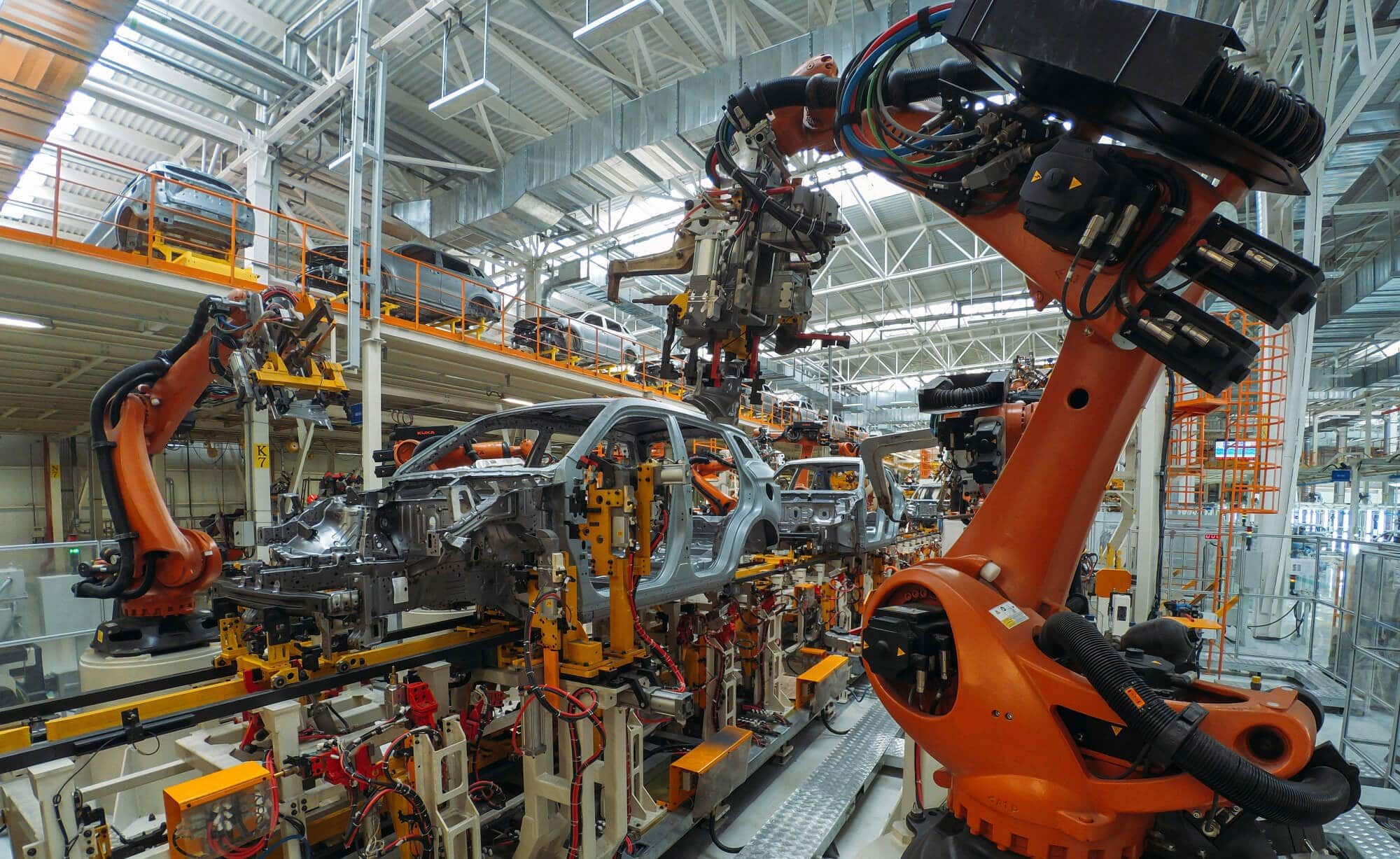
Car body welding robots are also part of broader automation trends that include robotics integration, digital control systems, and real-time quality monitoring. They support the shift toward smart manufacturing, where data and robotics work together to optimize production.
Importance
Car body welding robots play a crucial role in modern automotive production. Their importance is shaped by several factors:
Improved Precision and Structural Strength
Robotic welding helps ensure that body joints are accurate, resulting in safer and stronger vehicle structures. High-accuracy welding also contributes to better alignment and reduced manufacturing defects.
Enhanced Production Efficiency
Automation supports continuous and repeatable operations, minimizing delays and maintaining consistent production speed. This benefits manufacturers working with complex vehicle designs.
Workplace Safety Advancements
Robots reduce human involvement in high-risk welding tasks such as exposure to sparks, fumes, and intense heat. This supports improved safety practices and modernization of factory environments.
Adaptability to New Vehicle Designs
As the automotive industry introduces electric vehicles, lightweight body materials, and advanced architectures, welding robots offer flexibility through programmable workflows and interchangeable welding tools.
Impact on Multiple Stakeholders
-
Manufacturing teams benefit from uniform quality and reduced rework.
-
Engineers gain tools for designing and optimizing automated welding processes.
-
Quality professionals can monitor welding performance using real-time data.
-
Supply chain partners rely on consistent assembly standards for compatibility.
The rise of high-precision automation technologies, digital welding systems, and advanced robotics has made welding robots an essential component in automotive production lines.
Recent Updates
Several developments in the past year highlight how welding robots continue to evolve:
Increased Use of AI-Assisted Welding Control (early months of the previous year)
Robots equipped with AI-enabled sensors began adapting torch positions in real time to improve weld accuracy. This update allowed welding systems to correct misalignments automatically.
Growth in Collaborative Welding Robots (mid-year)
Manufacturers introduced more collaborative robotic welding units designed to operate safely near human technicians. These systems improved flexibility in body-in-white assembly cells.
Adoption of Laser Welding Expanding in Body Assembly (late year)
Laser welding gained attention for its speed, reduced heat distortion, and suitability for electric vehicle body structures. Reports from industry events highlighted increasing installations of laser welding stations.
More Use of Digital Twins in Welding Line Simulation (recent months)
Digital twin technology allowed engineers to simulate welding paths, robot movements, and heat effects before real-world implementation. This reduced time spent on physical trial-and-error.
Focus on Energy-Efficient Welding Equipment
Automation providers emphasized reducing power consumption and optimizing weld schedules, reflecting broader sustainability goals in manufacturing.
Laws or Policies
Car body welding robots operate within a framework of industrial, safety, and operational guidelines intended to maintain workplace standards and equipment reliability. Although specific rules vary across regions, several general policy themes influence robotic welding environments:
Worker Safety Practices
Factories must follow regulations related to robotics safety zones, protective equipment, emergency stop mechanisms, and operator training. These guidelines help ensure that welding robots operate within controlled environments.
Automation Standards and Technical Compliance
Robotic welding cells must typically meet requirements related to:
-
machine guarding
-
automated system integration
-
electrical and mechanical safety
-
welding equipment calibration and quality verification
These standards ensure that robots, sensors, and welding tools perform consistently and safely.
Environmental and Emission Considerations
Welding operations often require filtration systems for fumes and heat byproducts. Environmental guidelines influence how welding stations are designed and monitored.
Material Handling and Structural Quality Codes
Vehicle body structures must meet uniform welding strength and durability expectations. Robotics systems are often part of compliance audits, ensuring metal joints meet approved quality levels.
These regulatory principles support safe, accurate, and reliable welding activities during automotive manufacturing.
Tools and Resources
The following tools and informational resources are commonly used in relation to car body welding robots:
Robotic Simulation Tools
-
Process flow simulators – used to model robot movements, cycle time, and welding path planning.
-
Digital twin platforms – help analyze welding accuracy before physical setup.
Welding Quality Monitoring Tools
-
Weld-monitoring sensors – track heat input, electrode condition, and weld consistency.
-
Data analytics dashboards – used for diagnosing weld issues and monitoring performance trends.
Technical Reference Websites
-
Robotics knowledge platforms providing tutorials on automated welding principles.
-
Industrial research papers explaining welding technologies, sensing systems, and automation methods.
-
Manufacturing technology blogs covering robotics trends in automotive production.
Design and Calculation Tools
-
welding parameter calculators
-
material compatibility charts
-
structural stress reference tables
Educational Resources
-
online engineering libraries with guides on robotics basics
-
welding technology explainers
-
industrial automation courses for understanding programming and robot motion control
FAQs
What types of welding are most commonly used in car body welding robots?
Spot welding is the most widely used method, especially for joining steel panels. Arc welding and laser welding are also used, depending on material type and body structure. Each technique offers different advantages in terms of speed, precision, and heat control.
How do car body welding robots maintain consistent quality?
They use programmed paths, pressure controls, sensors, and real-time monitoring systems. These tools help ensure weld quality remains stable, even during long production shifts.
Can welding robots work with new automotive materials like aluminum?
Yes. Modern robotic welding systems are designed to work with steel, aluminum, and mixed-material assemblies. Laser welding and advanced spot-welding tools help address the challenges associated with lighter materials.
What role do sensors play in robotic welding?
Sensors help detect material position, measure heat, track weld currents, and identify deviations. This supports automated adjustments and improves accuracy during assembly.
How is safety maintained in robotic welding environments?
Safety is ensured through controlled robot zones, protective barriers, emergency stop functions, and monitoring systems that prevent unsafe interaction between robots and operators.
Conclusion
Car body welding robots are central to modern automotive manufacturing, offering increased consistency, precision, and operational efficiency. Their evolution reflects the broader shift toward digital manufacturing, where robotics, sensors, and intelligent systems work together to create stronger and more reliable vehicle structures. With recent progress in AI-assisted welding, laser technologies, collaborative robots, and digital simulation, welding automation continues to shape how vehicle bodies are produced.
The integration of industrial guidelines, safety practices, and quality standards ensures that robotic welding remains dependable and well-regulated. As manufacturers explore new vehicle designs and materials, welding robots will continue to play a key role in achieving durability, structural integrity, and production accuracy.