Explore Biometric Door Access: Guide, Basics, Facts and Practical Tips
Biometric door access refers to a security system that uses unique human characteristics to control entry into buildings or restricted areas. Instead of traditional keys, PIN codes, or swipe cards, it relies on biological identifiers such as fingerprints, facial features, iris patterns, or palm veins.
The idea behind biometric authentication systems is simple: every person has unique physical traits that are difficult to duplicate. By scanning and matching these traits against stored data, the system can confirm identity before granting access.
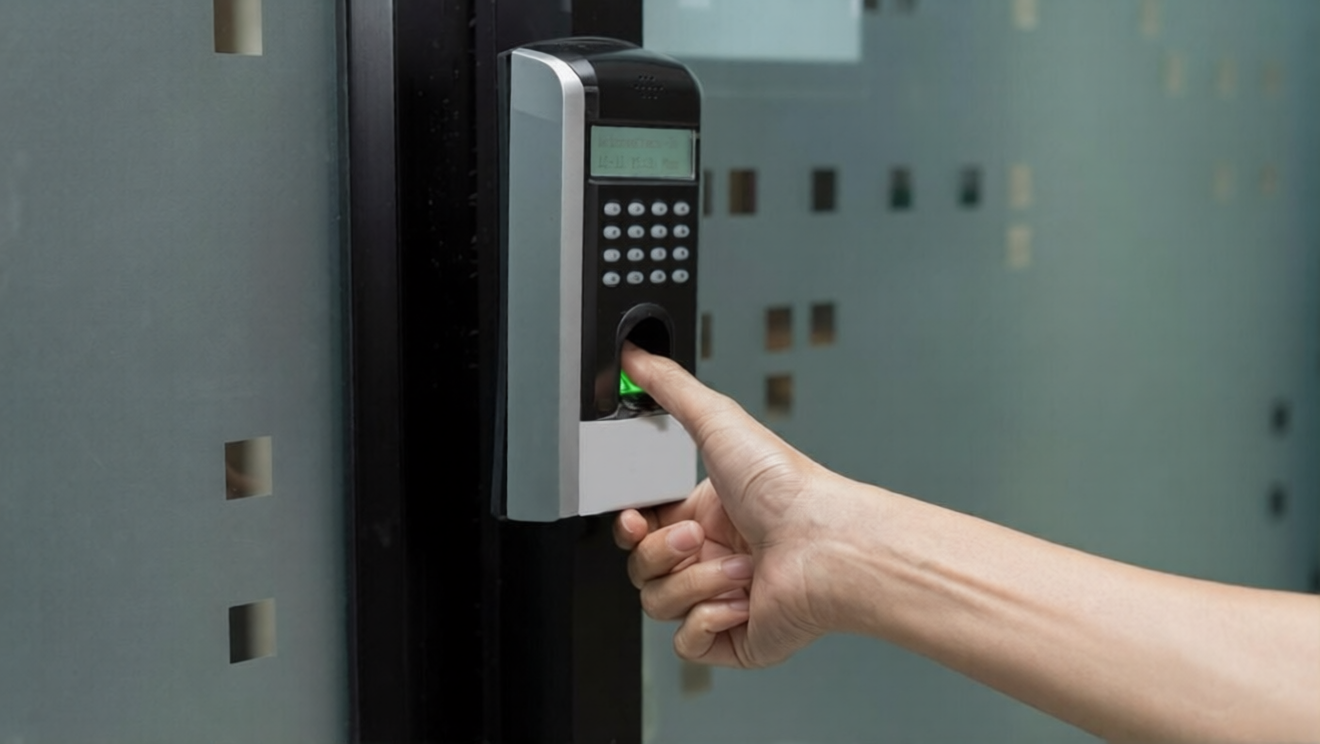
Traditional access control systems often face challenges such as lost keys, forgotten passwords, or unauthorized sharing of access cards. Biometric door access was developed to address these limitations and improve identity verification accuracy.
Common biometric methods include:
-
Fingerprint recognition
-
Facial recognition security
-
Iris or retina scanning
-
Palm vein recognition
-
Voice recognition (less common for physical entry)
In modern smart building security environments, biometric systems are often integrated with digital monitoring platforms and cloud-based identity management solutions.
Why Biometric Door Access Matters Today
As organizations and institutions manage larger workforces and more sensitive data, the demand for secure access control systems has increased significantly. Biometric door access plays an important role in improving physical and digital security.
Industries that commonly use biometric authentication systems include:
-
Corporate offices
-
Data centers
-
Healthcare facilities
-
Educational institutions
-
Manufacturing plants
-
Government facilities
One of the key benefits is reducing identity fraud. Since biometric traits are tied directly to individuals, the risk of unauthorized entry through shared credentials is minimized.
Another important factor is integration with cybersecurity compliance frameworks. Physical access security and digital network security are increasingly connected. A secure facility often requires strong identity verification before allowing entry to areas where critical IT infrastructure is located.
Below is a simple comparison of traditional access vs biometric authentication:
| Feature | Traditional Access (Card/PIN) | Biometric Door Access |
|---|---|---|
| Risk of Sharing | High | Very Low |
| Risk of Loss | High (cards/keys) | None (biometrics stay with user) |
| Identity Accuracy | Moderate | High |
| Integration with MFA | Limited | Strong |
| Audit Trail Reliability | Moderate | High |
Biometric door access also supports multi-factor authentication. For example, a system may require both a fingerprint scan and a smart card, increasing security in high-risk environments.
Recent Updates and Trends in Biometric Security
In recent months, several trends have influenced biometric door access technology.
Contactless biometric solutions have gained attention. Facial recognition security systems and palm recognition devices reduce physical contact, supporting hygiene concerns and operational efficiency.
Artificial intelligence integration has improved matching accuracy. Advanced algorithms can detect spoofing attempts, such as printed photos or fake fingerprints. This has strengthened identity management solutions in sensitive sectors.
Cloud-based access control platforms are also expanding. Instead of managing systems entirely on-site, administrators can monitor entry logs, manage permissions, and generate reports through secure cloud dashboards.
Mobile integration is another development. Some biometric systems connect with secure mobile applications for:
-
Real-time access monitoring
-
Remote credential updates
-
Entry event notifications
-
Security analytics reporting
A simplified trend overview is shown below:
| Emerging Trend | Impact on Security |
|---|---|
| AI-driven biometric matching | Improved accuracy and anti-spoofing |
| Contactless recognition | Reduced physical interaction |
| Cloud-based management | Centralized monitoring |
| Mobile app integration | Real-time visibility |
| Multi-factor authentication | Stronger layered security |
These developments reflect a broader shift toward smart building security ecosystems that connect physical and digital protection strategies.
Laws, Regulations, and Policy Considerations
Biometric door access systems are closely connected to data protection regulations and privacy policies. Because biometric data is considered sensitive personal information, organizations must follow strict compliance requirements.
Key regulatory themes include:
-
Data minimization
-
Secure data storage
-
Explicit user consent
-
Transparent data processing practices
-
Limited retention periods
Data protection regulations in many regions classify biometric identifiers as special category data. This means organizations must implement strong encryption, access restrictions, and cybersecurity compliance protocols.
In workplaces, labor laws may require informing employees about biometric data collection practices. Clear documentation, consent forms, and internal policies help maintain compliance.
Educational institutions and healthcare facilities often face additional compliance standards due to the sensitive nature of their environments.
When implementing biometric authentication systems, organizations typically:
-
Conduct privacy impact assessments
-
Develop written access control policies
-
Maintain secure audit logs
-
Limit administrative access rights
-
Ensure system encryption and secure backup
Compliance with national and regional data privacy frameworks is a fundamental aspect of responsible biometric deployment.
Tools and Resources for Biometric Access Management
Organizations using biometric door access systems rely on various tools and digital resources to maintain efficiency and security.
Common tools include:
Identity management platforms
-
Centralized user database management
-
Role-based access configuration
-
Integration with enterprise systems
Access control dashboards
-
Real-time monitoring
-
Entry log reporting
-
Alert configuration
Encryption software
-
Secure storage of biometric templates
-
Protection against unauthorized database access
Security audit templates
-
Internal compliance documentation
-
Risk assessment checklists
-
Incident response planning forms
System health monitoring tools
-
Device performance tracking
-
Firmware update management
-
Connectivity diagnostics
Below is a simplified overview of common system components:
| Component | Purpose |
|---|---|
| Biometric Scanner | Captures fingerprint, face, or iris data |
| Control Panel | Processes authentication request |
| Access Management Software | Stores and manages biometric templates |
| Secure Server or Cloud | Maintains encrypted data storage |
| Audit Reporting Tool | Tracks entry and system events |
Educational resources such as cybersecurity compliance guidelines and privacy frameworks can also help organizations align their biometric systems with legal standards.
Frequently Asked Questions
What is biometric door access?
Biometric door access is a security system that verifies identity using physical characteristics such as fingerprints or facial features before granting entry.
Is biometric authentication more secure than traditional access methods?
In many cases, biometric authentication systems provide higher identity accuracy because biological traits cannot be easily shared or lost like cards or passwords.
How is biometric data stored?
Most systems store encrypted biometric templates rather than raw images. These templates represent mathematical patterns derived from the original scan.
Can biometric systems be combined with other security measures?
Yes. Many facilities use multi-factor authentication, combining biometrics with PIN codes or smart cards to increase security levels.
Are there privacy concerns with biometric access control?
Yes. Because biometric identifiers are sensitive personal data, organizations must follow data protection regulations, maintain encryption, and obtain appropriate user consent.
Conclusion
Biometric door access represents an advanced approach to physical security and identity verification. By using unique biological characteristics, it strengthens access control systems and reduces the risks associated with shared or lost credentials.
As smart building security evolves, biometric authentication systems increasingly integrate with cloud platforms, AI-powered analytics, and multi-factor authentication strategies. These developments enhance both convenience and cybersecurity compliance.
At the same time, organizations must carefully manage privacy and data protection responsibilities. Clear policies, encryption standards, and transparent practices are essential for responsible implementation.