Explore Battery Recycling Machinery: Guide to Processes, Key Components, and Industry Insights
Battery recycling machinery refers to specialized industrial equipment designed to dismantle, process, and recover valuable materials from used or expired batteries. These machines are used to handle various battery types, including lithium-ion, lead-acid, nickel-metal hydride, and other energy storage systems commonly found in vehicles, electronics, and renewable energy installations.
The need for battery recycling machinery emerged as battery use expanded across industries. Batteries contain metals such as lithium, cobalt, nickel, copper, and lead, which can be reused after proper processing. Without recycling, discarded batteries could contribute to environmental pollution due to their chemical components. Recycling machinery was developed to safely break down battery units, separate materials, and prepare them for reprocessing into new products.
Modern battery recycling systems exist to support sustainable material recovery, environmental protection, and resource efficiency. They play a key role in circular economy models where materials are continuously reused rather than discarded.
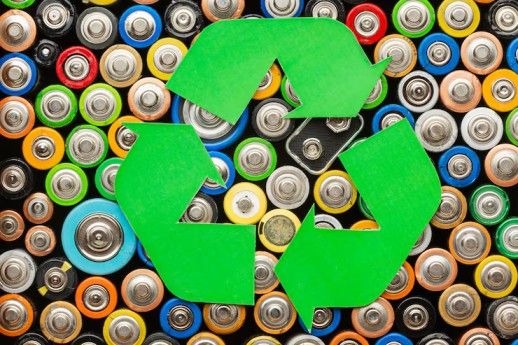
Importance: Why Battery Recycling Machinery Matters Today
Battery recycling machinery has become increasingly important due to rapid growth in electric vehicles, portable electronics, and renewable energy storage systems. As battery production rises, the volume of end-of-life batteries also increases, making efficient recycling infrastructure essential.
Why this topic matters today:
-
Resource conservation: Recycling recovers valuable metals used in battery manufacturing
-
Environmental protection: Prevents hazardous materials from entering soil and water
-
Supply chain stability: Recovered materials help support growing battery production needs
-
Waste management efficiency: Industrial machinery enables safe handling of complex battery structures
-
Energy transition support: Recycling infrastructure supports the growth of electric mobility and renewable power storage
Battery recycling machinery affects environmental engineers, recycling facility operators, manufacturing planners, policymakers, and sustainability researchers. It addresses problems related to battery waste accumulation, limited natural resource availability, and environmental contamination risks.
Recent Updates: Industry Trends and Developments (2024–2025)
The battery recycling industry has experienced rapid development in the past year as global demand for battery materials continues to rise.
| Year | Development or Trend | Industry Impact |
|---|---|---|
| 2024 | Increased investment in lithium-ion recycling facilities | Expanded global recycling capacity |
| 2024 | Improved automated shredding and sorting equipment | Higher material recovery efficiency |
| Early 2025 | Integration of AI-based material sorting systems | Better separation accuracy |
| 2025 | Expansion of closed-loop recycling initiatives | Greater reuse of recovered battery metals |
Recent research initiatives in 2024 also explored advanced hydrometallurgical and mechanical processing techniques that improve metal recovery rates while reducing energy consumption. Governments and industry groups are increasingly supporting recycling technology development to ensure responsible battery lifecycle management.
Laws and Policies Affecting Battery Recycling Machinery
Battery recycling operations are strongly influenced by environmental protection regulations and waste management policies in many countries.
Common regulatory frameworks include:
-
Extended Producer Responsibility (EPR) programs: Manufacturers share responsibility for end-of-life battery management
-
Hazardous waste regulations: Define safe handling, transport, and processing of battery materials
-
Recycling efficiency targets: Governments set recovery targets for battery materials
-
Environmental protection laws: Prevent pollution from improper battery disposal
-
National recycling initiatives: Encourage development of recycling infrastructure
For example, several regions have introduced national battery management rules that require proper collection, documentation, and recycling of used batteries. These policies ensure that recycling facilities operate safely and that recovered materials re-enter manufacturing supply chains responsibly.
Key Processes in Battery Recycling Machinery
Battery recycling machinery typically operates through several coordinated stages designed to safely recover usable materials.
Common recycling process stages include:
-
Collection and Sorting: Batteries are categorized by type and chemistry
-
Discharging: Remaining electrical charge is neutralized for safety
-
Shredding and Crushing: Mechanical equipment breaks batteries into smaller pieces
-
Material Separation: Metals, plastics, and electrolytes are separated
-
Refining and Recovery: Valuable metals are extracted and purified
| Process Stage | Purpose | Equipment Used |
|---|---|---|
| Sorting | Identify battery chemistry | Automated sorting systems |
| Discharging | Neutralize electrical energy | Discharge units |
| Shredding | Break battery structures | Industrial shredders |
| Separation | Recover individual materials | Magnetic and density separators |
| Refining | Extract valuable metals | Chemical recovery systems |
Each stage contributes to safe material recovery and efficient resource reuse.
Key Components of Battery Recycling Machinery
Battery recycling facilities rely on several types of equipment working together within an integrated processing line.
Major components include:
-
Battery shredders: Break down battery casings and internal structures
-
Crushers and grinders: Reduce material size for separation
-
Magnetic separators: Remove ferrous metals
-
Density separation systems: Separate materials by weight and density
-
Dust collection systems: Capture fine particles during processing
-
Material recovery units: Extract lithium, cobalt, nickel, and other metals
These components are arranged in sequential processing lines designed to maximize recovery efficiency while maintaining safe handling conditions.
Tools and Resources for Learning About Battery Recycling
Understanding battery recycling machinery is supported by several educational and technical resources.
Helpful resources include:
-
Environmental engineering textbooks on waste processing
-
Industrial recycling technology research journals
-
Government environmental agency publications
-
Sustainability and circular economy research reports
-
Battery technology training manuals
Practical reference tools:
-
Battery chemistry identification charts
-
Material recovery efficiency calculators
-
Environmental impact assessment templates
-
Recycling process flow diagrams
-
Safety inspection checklists
These resources help professionals and learners understand the technical and environmental aspects of battery recycling operations.
Frequently Asked Questions
What is the purpose of battery recycling machinery?
Battery recycling machinery processes used batteries to recover valuable metals and reduce environmental impact.
What types of batteries can be recycled using industrial machinery?
Commonly processed batteries include lithium-ion, lead-acid, nickel-based batteries, and other energy storage systems.
Why is battery recycling important for sustainability?
It conserves natural resources, reduces environmental pollution, and supports the reuse of valuable materials.
How are valuable materials recovered from batteries?
Mechanical shredding, separation technologies, and chemical recovery methods are used to extract metals.
Who benefits from battery recycling infrastructure?
Manufacturers, recycling facilities, environmental agencies, and industries relying on battery materials benefit from efficient recycling systems.
Conclusion
Battery recycling machinery plays a vital role in managing the growing volume of used batteries produced by modern technologies. Through specialized processing systems, these machines safely dismantle batteries, separate materials, and recover valuable resources that can be reused in future manufacturing.
As global demand for energy storage continues to increase, efficient recycling technology will become even more important. Understanding how battery recycling machinery works, the regulations governing it, and the tools used in the industry provides valuable insight into one of the most important components of sustainable industrial development.