Explore API-Driven Data Exchange: Overview, Key Concepts, Facts & Helpful Resources
API-driven data exchange refers to the automated sharing of data between software systems using Application Programming Interfaces (APIs). An API acts as a structured bridge that allows applications to communicate, request information, and transfer data securely and efficiently.
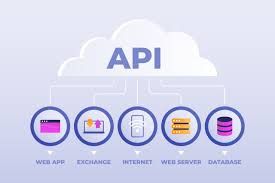
In the early days of software development, systems often operated in isolation. Organizations relied on manual exports, file transfers, or tightly coupled integrations to share data. As digital ecosystems expanded—across mobile apps, cloud platforms, e-commerce systems, healthcare platforms, financial institutions, and government portals—the need for real-time, standardized, and scalable data exchange became essential.
API-driven integration emerged to solve this challenge. Instead of building custom connections for every pair of systems, organizations design APIs that define:
-
How data can be requested
-
What format it should follow
-
How authentication and authorization work
-
How errors are handled
This model supports modern digital transformation initiatives, cloud computing, fintech platforms, online marketplaces, enterprise software, and smart devices.
Key technical concepts include:
-
RESTful APIs
-
SOAP APIs
-
GraphQL
-
JSON and XML data formats
-
OAuth authentication
-
Webhooks
-
Rate limiting
-
API gateways
The result is a flexible and standardized approach to secure data sharing across distributed environments.
Importance – Why API-Driven Data Exchange Matters Today
API-driven integration has become foundational to digital infrastructure. Nearly every industry relies on it.
It matters because modern systems are interconnected. Mobile banking apps connect to payment gateways. Healthcare platforms connect to insurance databases. E-commerce stores connect to shipping providers and tax systems. Government portals connect to citizen databases.
Without APIs, these processes would be slow, error-prone, and inefficient.
API-driven data exchange affects:
-
Software developers
-
Enterprises and startups
-
Financial institutions
-
Healthcare providers
-
Retail and e-commerce platforms
-
Government agencies
-
Cloud service providers
It solves several major problems:
Data Silos
Organizations often store data in separate systems. APIs allow controlled, secure access without duplicating databases.
Manual Processing
Automation reduces administrative overhead and human error.
Scalability Challenges
API-first architecture allows systems to scale independently.
Security and Access Control
Modern APIs implement encryption, token-based authentication, and role-based access.
Interoperability
Standardized formats like JSON and OpenAPI enable cross-platform compatibility.
The table below summarizes common benefits and challenges.
| Aspect | Benefit | Challenge |
|---|---|---|
| Data Access | Real-time information sharing | Requires strong authentication |
| Scalability | Cloud-native integration | Needs monitoring & rate limiting |
| Automation | Reduces manual work | Error handling complexity |
| Innovation | Enables third-party ecosystems | Governance and compliance risks |
API-driven ecosystems also support high-value digital strategies such as cloud migration, microservices architecture, digital payments, AI data pipelines, and enterprise resource planning integrations.
Recent Updates – Trends and Developments
API-driven data exchange continues to evolve rapidly. Over the past year, several trends have gained momentum.
Expansion of API Security Standards
Zero Trust Architecture adoption has increased significantly. Organizations are implementing stricter API authentication using OAuth 2.1 and mutual TLS.
Growth of API Governance Platforms
Companies are investing in centralized API management platforms to monitor usage, enforce compliance, and reduce vulnerabilities.
AI Integration into API Monitoring
Artificial intelligence is increasingly used to detect anomalies, unusual traffic patterns, and potential security threats in API ecosystems.
GraphQL Adoption
GraphQL has gained broader acceptance because it allows clients to request exactly the data they need, reducing bandwidth consumption and improving performance.
Open Banking and Open Finance Expansion
Financial sectors worldwide are expanding open data frameworks, requiring secure API-driven exchange between institutions.
Cloud-Native and Serverless APIs
More APIs are deployed using serverless architectures, improving scalability and resilience.
Increased Regulatory Focus on Data Privacy
Data protection authorities have emphasized stronger controls over cross-border data transfers and API security auditing.
The following diagram illustrates the shift toward centralized API management and monitoring:
API Evolution Trend (Conceptual Flow)
Traditional Integration → REST APIs → API Gateways → Cloud APIs → Zero Trust APIs → AI-Driven Monitoring
These updates highlight a broader shift toward security-first, compliance-aware, and scalable API ecosystems.
Laws or Policies – Regulatory and Governance Considerations
API-driven data exchange is heavily influenced by data protection and cybersecurity regulations. While specific laws vary by jurisdiction, several regulatory themes consistently shape API strategies.
Data Protection Regulations
Many countries enforce strict data privacy laws that require secure handling of personal information. APIs must incorporate encryption, access logging, and consent management mechanisms.
Financial Sector Regulations
Open banking frameworks require financial institutions to provide standardized APIs for secure customer data sharing under regulated conditions.
Healthcare Compliance Standards
Health information exchange APIs must meet strict confidentiality and auditability requirements.
Cybersecurity Requirements
Governments increasingly require organizations to implement security controls such as:
-
Multi-factor authentication
-
Encryption in transit and at rest
-
API rate limiting
-
Continuous monitoring
-
Incident response protocols
Cross-Border Data Transfer Controls
Organizations must ensure that API-driven exchanges comply with restrictions on transferring personal data across jurisdictions.
Failure to implement compliant API governance can lead to legal penalties, data breaches, reputational harm, and operational disruption.
For this reason, many enterprises establish internal API governance frameworks that include:
-
API documentation standards
-
Version control policies
-
Access lifecycle management
-
Data classification rules
-
Security testing requirements
Tools and Resources – Platforms, Documentation, and Frameworks
API-driven data exchange relies on well-established tools and frameworks. Below are widely used platforms and resources.
API Development and Testing Tools
-
Postman
-
Swagger
-
Insomnia
API Management and Gateways
-
Apigee
-
Kong
-
Amazon API Gateway
Authentication and Identity
-
Okta
-
Auth0
Documentation and Standards
-
OpenAPI Specification
-
OAuth 2.0
Monitoring and Observability
-
Datadog
-
New Relic
Educational Resources
-
Official technical documentation of API standards
-
Developer portals from cloud providers
-
Online courses on REST API development
-
Cybersecurity compliance guides
Below is a simplified comparison of API management features.
| Feature | Basic API | Managed API Platform |
|---|---|---|
| Authentication | Manual setup | Built-in OAuth & JWT |
| Monitoring | Limited logs | Real-time dashboards |
| Rate Limiting | Custom code | Configurable policies |
| Analytics | Minimal | Detailed usage metrics |
| Security Alerts | Manual detection | Automated alerts |
These tools support secure, scalable, and compliant API ecosystems.
FAQs – Common Questions About API-Driven Data Exchange
What is the difference between REST and SOAP APIs?
REST APIs use lightweight data formats like JSON and operate over HTTP methods such as GET and POST. SOAP APIs use XML and follow stricter messaging standards. REST is generally preferred for modern web and mobile applications.
Is API-driven data exchange secure?
Yes, when implemented properly. Security depends on encryption (HTTPS), authentication protocols like OAuth, token management, rate limiting, and monitoring systems.
Who uses API-driven integration?
Banks, healthcare providers, e-commerce companies, logistics providers, government agencies, cloud platforms, and technology startups rely on APIs for system connectivity.
What is an API gateway?
An API gateway acts as a centralized entry point for managing API requests. It handles authentication, rate limiting, monitoring, logging, and traffic routing.
Why is API documentation important?
Clear documentation ensures that developers understand how to interact with an API. It reduces errors, improves adoption, and supports long-term maintenance.
Conclusion
API-driven data exchange is a foundational element of modern digital infrastructure. It enables secure, scalable, and real-time communication between software systems across industries.
As organizations continue adopting cloud platforms, mobile applications, AI systems, and distributed architectures, APIs remain central to digital integration strategies.
Recent developments show increased emphasis on security, governance, and compliance. Regulatory oversight, cybersecurity standards, and privacy frameworks continue shaping API design and management practices.
With the right architecture, tools, and governance policies, API-driven ecosystems can improve interoperability, enhance operational efficiency, and support sustainable digital growth.