Explore Amphibious Excavators: Guide, Basics, and Practical Insights
An amphibious excavator is a specialized type of heavy construction machinery designed to operate on soft, waterlogged, or unstable terrain. Unlike conventional excavators, it is fitted with wide pontoons or floating undercarriages that distribute weight evenly. This design allows it to function in marshes, swamps, shallow rivers, floodplains, and coastal areas.
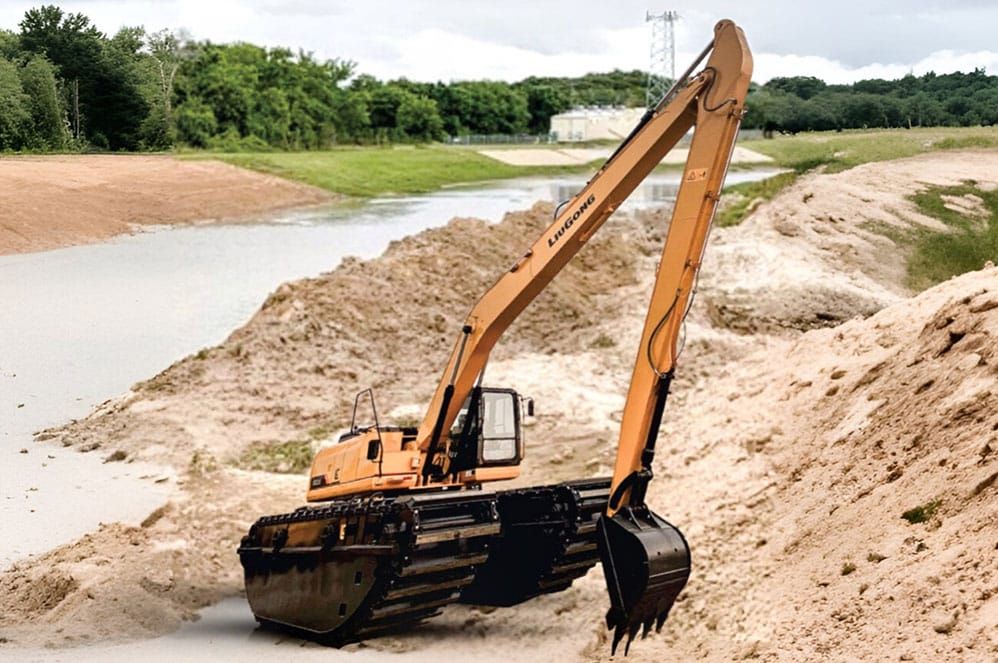
Traditional excavators often sink or become unstable in muddy or saturated ground conditions. Amphibious excavators were developed to address this limitation. By combining flotation capability with hydraulic excavation systems, these machines can perform dredging, sediment removal, and infrastructure development where standard equipment cannot operate safely.
They are sometimes referred to as marsh excavators or swamp excavators. Their primary features include:
-
Sealed pontoons for buoyancy
-
Reinforced hydraulic systems for water-based operations
-
Extended reach arms for dredging and shoreline work
-
Corrosion-resistant components for wet environments
Amphibious excavators are commonly used in environmental restoration, river maintenance, canal clearing, and coastal infrastructure projects. Their ability to transition between land and shallow water makes them valuable in complex terrain.
Importance: Why Amphibious Excavators Matter Today
Wetland construction equipment has become increasingly important as climate patterns shift and environmental management receives greater attention. Urban expansion, rising water levels, and flood mitigation projects require machinery capable of operating in sensitive ecosystems.
Amphibious excavators contribute to several critical areas:
Environmental restoration
They assist in removing invasive vegetation, clearing sediment buildup, and restoring natural water flow in wetlands and estuaries.
Flood control and drainage
Hydraulic dredging machinery helps deepen canals and improve drainage networks, reducing flood risks in vulnerable regions.
Infrastructure development
Pipelines, bridges, embankments, and renewable energy installations often require groundwork in marshy terrain. Amphibious machines enable these activities without extensive ground stabilization.
Disaster response
After storms or heavy rainfall, waterways may become blocked by debris. Amphibious excavators can access these areas efficiently.
Because they operate in environmentally sensitive areas, these machines are closely associated with environmental compliance in construction. Their design helps minimize ground pressure, reducing ecological disturbance compared to heavier traditional equipment.
Below is a simplified comparison between conventional excavators and amphibious excavators:
| Feature | Conventional Excavator | Amphibious Excavator |
|---|---|---|
| Terrain Capability | Firm ground | Soft, marshy, shallow water |
| Ground Pressure | Moderate to High | Very Low |
| Buoyancy | None | Pontoon-supported |
| Typical Use | Urban and road projects | Wetlands and dredging |
This adaptability makes amphibious excavation technology relevant to modern infrastructure development and climate resilience strategies.
Recent Updates and Industry Trends
Recent developments in marine excavation technology show a focus on efficiency, safety, and sustainability.
In the past year, several trends have gained attention:
Hybrid and electric models
Manufacturers have introduced hybrid power systems aimed at reducing fuel consumption and emissions. Some prototypes explore electric-driven hydraulic systems suitable for controlled wetland projects.
Advanced GPS and telematics
Modern amphibious excavators increasingly integrate GPS-guided excavation systems. These tools improve precision in dredging and reduce unnecessary sediment disturbance.
Remote operation capability
Remote-controlled or semi-autonomous functions are being tested in challenging or hazardous environments, enhancing operator safety.
Improved corrosion resistance
New coatings and material enhancements extend equipment durability in saltwater conditions.
Data monitoring systems
Telematics platforms now provide real-time performance data, allowing project managers to track usage patterns and maintenance schedules more effectively.
A simplified trend comparison:
| Innovation Area | Traditional Systems | Modern Developments |
|---|---|---|
| Power Systems | Diesel-only | Hybrid and electric-assisted |
| Control | Manual operation | GPS-assisted precision |
| Monitoring | Basic diagnostics | Telematics dashboards |
| Safety | On-site operator only | Remote capability options |
These innovations reflect broader changes in construction technology and environmental engineering practices.
Laws or Policies Affecting Amphibious Excavators
Amphibious excavators operate primarily in environmentally regulated zones such as wetlands, riverbanks, and coastal areas. For this reason, their use is influenced by environmental protection regulations and construction compliance standards.
Key regulatory areas include:
Wetland protection regulations
Governments often require environmental impact assessments before excavation in protected wetlands. Equipment must minimize ecological damage.
Water quality standards
Dredging and sediment removal activities must comply with rules that prevent water contamination or excessive turbidity.
Emission standards
Construction equipment is subject to emission regulations governing engine performance and exhaust output. Hybrid and electric models help align with stricter environmental norms.
Workplace safety rules
Operators must follow occupational safety regulations related to machinery operation in aquatic environments.
Infrastructure development policies
Public infrastructure projects may require adherence to environmental sustainability frameworks and land-use guidelines.
These policies encourage the adoption of equipment that reduces ground pressure, limits habitat disruption, and complies with emission and safety standards.
Tools and Resources for Amphibious Excavation Projects
Project planners and engineers rely on several tools and digital platforms to manage amphibious excavation activities effectively.
Engineering software
-
Hydraulic modeling software for water flow analysis
-
GIS mapping systems for terrain assessment
-
CAD tools for excavation planning
Telematics platforms
-
Equipment performance dashboards
-
Fuel usage monitoring tools
-
Maintenance tracking systems
Environmental assessment resources
-
Digital templates for impact assessment reports
-
Wetland mapping databases
-
Sediment analysis calculators
Safety and compliance tools
-
Risk assessment checklists
-
Training modules for aquatic equipment operation
-
Emission monitoring documentation systems
Below is a simplified workflow overview:
| Project Stage | Tool Type | Purpose |
|---|---|---|
| Planning | GIS & CAD | Terrain and excavation design |
| Assessment | Environmental templates | Regulatory compliance |
| Execution | GPS-guided systems | Precision excavation |
| Monitoring | Telematics software | Performance tracking |
These resources help improve operational efficiency while supporting environmental compliance in construction.
FAQs
What is the difference between an amphibious excavator and a dredger?
An amphibious excavator is a versatile machine that can operate on land and shallow water using pontoons. A dredger is typically specialized for underwater sediment removal and may not operate on land surfaces.
Can amphibious excavators float?
Yes. Their pontoon undercarriages provide buoyancy, allowing them to float and work in shallow water. However, they are not designed for deep-water navigation like marine vessels.
Are they suitable for environmental restoration projects?
Yes. Their low ground pressure reduces soil disturbance, making them suitable for wetland restoration and ecological management projects.
Do they require special operator training?
Yes. Operators must understand aquatic safety procedures, hydraulic systems, and stability management for water-based environments.
How do they minimize environmental impact?
They distribute weight evenly through wide pontoons, reducing soil compaction. Modern models also incorporate advanced hydraulic controls to limit sediment disturbance.
Conclusion
Amphibious excavators represent a specialized category of heavy equipment designed to address the challenges of working in soft, unstable, or waterlogged terrain. By combining flotation systems with hydraulic excavation technology, they enable projects in wetlands, floodplains, and coastal zones that would otherwise be difficult to manage.
Their growing relevance is linked to infrastructure development, environmental restoration, and flood mitigation initiatives. Technological advancements such as hybrid systems, GPS-guided controls, and telematics monitoring reflect broader trends in construction innovation and sustainability.
Regulatory frameworks surrounding wetland protection, emissions, and workplace safety further shape how these machines are used. With appropriate planning tools, environmental assessments, and compliance systems, amphibious excavation projects can align with modern standards for environmental responsibility and operational efficiency.