Explore Alternators: Guide, Basics, and Key Insights
An alternator is an electrical machine that converts mechanical energy into alternating current (AC) electricity. It plays a central role in modern power systems, especially in vehicles, industrial equipment, and backup power solutions.
In vehicles, the alternator is a key part of the automotive charging system. It works alongside the battery to maintain electrical stability while the engine is running. The engine rotates a pulley connected to the alternator, generating AC electricity, which is then converted into direct current (DC) for vehicle components.
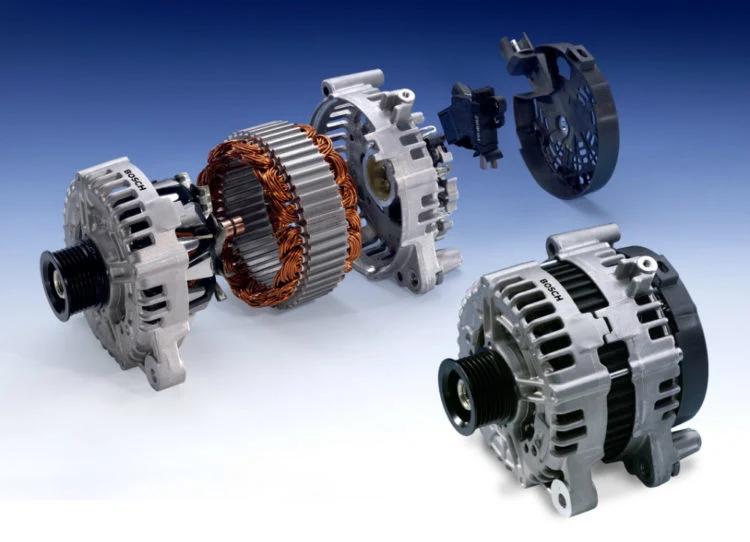
The concept of AC power generation is based on electromagnetic induction. Inside an alternator, the rotor spins within a stator, creating a magnetic field that induces electrical current. A voltage regulator system ensures that the output remains stable and safe for connected devices.
Alternators exist because electrical systems require continuous and regulated power. Batteries alone cannot sustain long-term electrical loads. In transportation, manufacturing, data centers, and renewable energy generator systems, alternators provide consistent electrical output through mechanical motion.
Why Alternators Matter Today
Alternators affect multiple industries and everyday life. Their importance has increased with the expansion of electronic systems in transportation and infrastructure.
Modern vehicles depend heavily on electronics such as infotainment systems, engine control units, sensors, and lighting technologies. Without a properly functioning alternator, these systems cannot operate reliably.
In industrial environments, heavy-duty alternator systems are part of industrial power generator units that support manufacturing plants, hospitals, telecommunications networks, and data facilities. These generators ensure operational continuity during grid interruptions.
Alternators also support renewable energy integration. Wind turbines, for example, rely on alternator-based electrical power conversion to transform mechanical wind energy into usable electricity.
The topic matters because it connects to:
-
Automotive maintenance and vehicle reliability
-
Grid stability and backup power systems
-
Renewable energy expansion
-
Infrastructure resilience
-
Energy efficiency improvements
As electrical demand grows, the performance and efficiency of alternators directly influence energy sustainability and system reliability.
Recent Updates and Trends in Alternator Technology
In recent months, alternator development has focused on efficiency, digital integration, and sustainability.
One notable trend is the growth of smart alternator technology in modern vehicles. These systems dynamically adjust output based on battery condition, driving patterns, and electrical demand. This improves fuel efficiency and reduces mechanical load on engines.
Another development is the increasing adoption of high-output alternators in electric and hybrid platforms. While fully electric vehicles rely on traction motors and high-voltage systems, many hybrid vehicles still use advanced alternator designs integrated with regenerative braking technology.
Manufacturers have also introduced compact alternator designs using improved magnetic materials and enhanced cooling systems. These upgrades allow higher performance while reducing size and weight.
The expansion of renewable power infrastructure has driven research into high-efficiency industrial alternators capable of operating in extreme environmental conditions, including offshore wind installations and remote microgrid projects.
In addition, digital voltage regulator systems now include monitoring features that provide real-time diagnostics. These features help detect irregular output patterns and improve maintenance planning.
Laws and Regulatory Considerations
Alternators are influenced by electrical safety standards, environmental policies, and energy efficiency regulations.
Electrical equipment must comply with safety certification frameworks that govern insulation standards, grounding systems, and voltage stability. These rules ensure that alternators used in vehicles, buildings, and industrial facilities meet performance and safety requirements.
Energy efficiency policies also affect alternator design. Governments promote lower emissions and improved fuel economy standards, encouraging the development of efficient automotive charging systems and optimized industrial generators.
Environmental regulations impact material selection and manufacturing processes. Restrictions on hazardous substances require manufacturers to use compliant components and safe recycling practices.
In renewable energy sectors, grid interconnection standards define how alternators connect to power networks. These policies ensure frequency synchronization, voltage stability, and system protection.
Overall, alternator systems must align with electrical codes, safety certifications, and environmental guidelines established by regulatory authorities.
Tools and Resources for Understanding Alternators
Learning about alternators becomes easier with practical tools and digital resources.
Helpful tools include:
-
Automotive diagnostic scanners to monitor voltage output and charging performance
-
Multimeters for testing alternator voltage and electrical continuity
-
Electrical load calculators to estimate system demand
-
Generator sizing calculators for industrial applications
-
Energy efficiency assessment software for power optimization
Online resources include:
-
Technical documentation from automotive and generator manufacturers
-
Electrical engineering learning platforms
-
Renewable energy system simulation tools
-
Digital manuals for voltage regulator configuration
Below is a simplified comparison table showing common alternator applications:
| Application Area | Power Output Range | Key Feature |
|---|---|---|
| Passenger Vehicles | Low to Medium | Compact automotive charging system |
| Commercial Vehicles | Medium | High-output performance |
| Industrial Generators | High | Continuous power generation |
| Wind Energy Systems | Variable | Renewable energy conversion |
Frequently Asked Questions
What is the difference between an alternator and a generator?
An alternator specifically produces alternating current (AC) electricity. A generator can produce either AC or DC, depending on design. In vehicles, alternators are more efficient and commonly used.
How does a voltage regulator system function?
A voltage regulator controls the alternator’s electrical output. It adjusts the magnetic field strength inside the alternator to maintain stable voltage levels.
Can alternators support renewable energy systems?
Yes. Wind turbines and some micro-hydropower systems use alternator-based designs for electrical power conversion.
What causes alternator failure?
Common causes include worn bearings, damaged diodes, faulty voltage regulators, overheating, and excessive electrical load.
Are smart alternators different from traditional ones?
Smart alternators use digital control systems to adjust output dynamically. Traditional alternators provide constant output once the engine operates.
Conclusion
Alternators are essential components in modern electrical infrastructure. From automotive charging systems to industrial power generators and renewable energy generator platforms, they enable reliable AC power generation through mechanical motion.
Their design continues to evolve in response to efficiency demands, digital monitoring technologies, and environmental standards. Regulatory frameworks ensure safe operation and sustainable production, while advanced tools and diagnostic resources make maintenance and system analysis more accessible.
Understanding alternators helps individuals and organizations make informed decisions about energy systems, electrical stability, and infrastructure reliability. As global power demand expands and renewable integration increases, alternators remain central to electrical power conversion and long-term energy resilience.