Exotic Jewelry Styles Overview: Basics, Facts, and Style Advice
Exotic jewelry styles refer to distinctive ornament traditions inspired by cultural heritage, rare materials, intricate craftsmanship, and regional artistry. These styles often reflect history, symbolism, and identity rather than only decorative value.
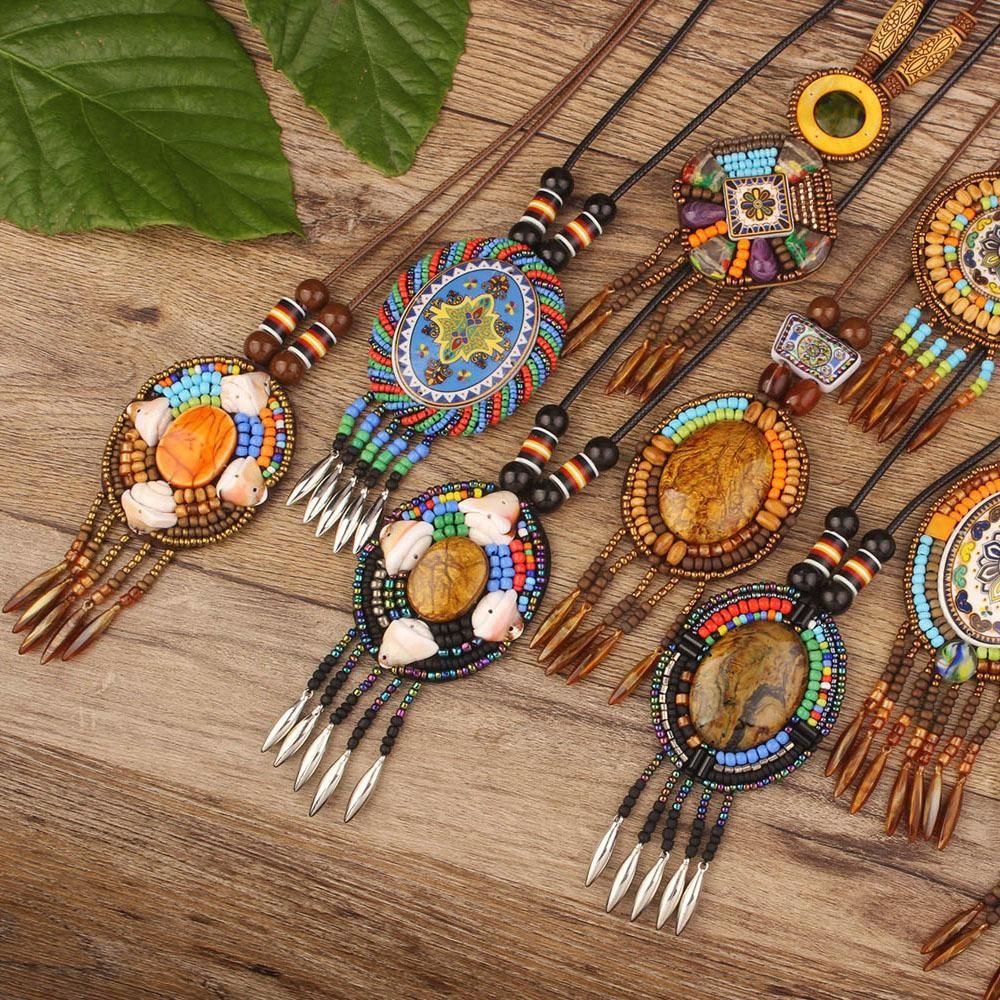
Jewelry has existed for thousands of years as a way to communicate status, spirituality, protection, or community belonging. Over time, specific regions developed recognizable aesthetics. For example:
-
Tribal beadwork using organic materials
-
Temple-inspired gold ornaments with mythological motifs
-
Hand-engraved silver from desert communities
-
Gemstone jewelry featuring rare stones and bold settings
The term “exotic” in jewelry usually describes designs that feel culturally rich, uncommon, or globally inspired. In modern fashion discussions, it often overlaps with luxury jewelry trends, handcrafted jewelry designs, and statement jewelry styling.
These styles exist because people seek individuality and cultural expression. As global travel, digital media, and international trade expanded, cross-cultural influences became more visible. Designers began blending traditional motifs with contemporary forms, creating new interpretations of heritage pieces.
Exotic jewelry today includes:
-
Gemstone jewelry guide collections featuring turquoise, opal, emerald, or coral
-
Ethnic jewelry fashion inspired by ceremonial adornments
-
High jewelry craftsmanship using precious metals and detailed techniques
-
Sustainable jewelry sourcing focused on ethical materials
Understanding these basics helps clarify that exotic jewelry is not a single category but a broad collection of culturally rooted and artistically detailed designs.
Importance – Why Exotic Jewelry Styles Matter Today
Exotic jewelry styles matter for cultural, social, and economic reasons. They affect designers, artisans, collectors, historians, and everyday wearers.
Cultural preservation is one major reason. Many handcrafted jewelry designs are tied to rituals, festivals, or traditional attire. By documenting and respecting these styles, communities maintain heritage knowledge.
Another important factor is identity. Jewelry often represents:
-
Religious symbolism
-
Family lineage
-
Regional pride
-
Artistic expression
In a globalized fashion environment, consumers are more aware of cultural jewelry history and sustainable jewelry sourcing. Questions about where materials come from and how they are processed have become central in the precious metals guide conversation.
Exotic jewelry also addresses practical challenges in the modern luxury market:
-
It promotes craftsmanship over mass production
-
It supports smaller artisan communities
-
It highlights alternative materials beyond diamonds
The growing interest in gemstone jewelry guide resources reflects a shift from standardized designs to personalized statement jewelry styling.
From an educational perspective, learning about exotic jewelry builds cross-cultural awareness. It helps prevent cultural misunderstanding and encourages respectful appreciation rather than imitation.
For fashion researchers and digital content creators using high CPC keywords such as “luxury jewelry trends” or “ethical gemstone sourcing,” this topic connects heritage with modern sustainability discussions.
Recent Updates – Changes and Trends in the Past Year
In the past year, several noticeable developments have influenced exotic jewelry styles.
There has been increased interest in lab-grown gemstones and recycled metals. This shift aligns with broader sustainable jewelry sourcing conversations and responsible supply chain transparency.
Design trends have included:
-
Chunky statement jewelry with bold silhouettes
-
Mixed-metal combinations in gold and silver
-
Revival of ancient motifs in modern settings
-
Handcrafted finishes instead of machine-polished surfaces
Digital platforms have also amplified artisan visibility. Independent creators now showcase high jewelry craftsmanship through visual content, educational blogs, and gemstone jewelry guide resources.
Another update is improved certification transparency. Many brands now share more detailed information about origin tracing, gemstone grading, and ethical sourcing standards.
Educational searches for “precious metals guide,” “cultural jewelry history,” and “luxury jewelry trends analysis” have increased as readers seek factual information rather than promotional content.
These updates show that exotic jewelry is evolving while remaining rooted in tradition.
Laws or Policies – How Regulations Influence Exotic Jewelry
Exotic jewelry styles are affected by several regulatory frameworks. These rules focus on materials, authenticity, labeling, and ethical practices.
Key regulatory areas include:
-
Precious metal hallmarking requirements
-
Gemstone disclosure and grading standards
-
Import and export documentation for rare materials
-
Restrictions on endangered organic materials such as ivory or coral
Environmental protection laws often regulate mining practices. Governments and international bodies may require:
-
Responsible mining certifications
-
Environmental impact disclosures
-
Anti-money laundering compliance in high-value transactions
Consumer protection policies also require clear labeling. For example:
-
Lab-grown gemstones must be properly identified
-
Gold purity must be accurately stamped
-
Synthetic materials cannot be misrepresented as natural
These rules aim to prevent fraud and promote ethical gemstone sourcing. They also support transparency in luxury jewelry trends and protect cultural artifacts from illegal trade.
Understanding these policies helps consumers evaluate authenticity while encouraging responsible high jewelry craftsmanship.
Comparative Overview of Popular Exotic Jewelry Materials
| Material Type | Common Origin Style | Visual Characteristics | Regulatory Considerations |
|---|---|---|---|
| Turquoise | Tribal and desert regions | Blue-green, opaque stone | Source verification |
| Coral | Coastal heritage jewelry | Red or pink organic material | Environmental restrictions |
| Gold (High Karat) | Temple and ceremonial use | Warm tone, soft texture | Hallmarking standards |
| Silver | Artisan desert designs | Matte or oxidized finish | Purity stamping |
| Emerald | High jewelry settings | Deep green transparency | Grading disclosure |
This table highlights how materials connect to cultural jewelry history and modern compliance standards.
Tools and Resources – Helpful Digital and Educational References
Several tools support research and understanding of exotic jewelry styles.
Educational Platforms
-
Online gemstone databases explaining grading and properties
-
Digital museum collections documenting historic jewelry artifacts
-
Academic journals on cultural jewelry history
Certification and Transparency Tools
-
Hallmark verification portals
-
Responsible sourcing documentation platforms
-
Blockchain tracking for gemstone origin
Design and Styling Resources
-
Virtual jewelry visualization tools
-
Digital lookbooks featuring statement jewelry styling
-
Metal purity calculators for educational comparison
Industry Organizations
-
International gemological institutes
-
Cultural heritage preservation groups
-
Ethical mining alliances
These resources assist researchers, writers, and enthusiasts exploring topics like luxury jewelry trends and sustainable jewelry sourcing without commercial intent.
FAQs – Frequently Asked Questions
What defines exotic jewelry styles?
Exotic jewelry styles are designs inspired by distinct cultural traditions, rare materials, or detailed craftsmanship that differ from mainstream minimal jewelry trends.
Is exotic jewelry always made from rare materials?
Not always. Some designs use accessible materials but incorporate traditional techniques or symbolic motifs that give them cultural significance.
How can someone identify authentic handcrafted jewelry designs?
Look for hallmarks, artisan signatures, documented sourcing information, and consistent craftsmanship details. Certification transparency also supports authenticity.
Are lab-grown gemstones considered part of exotic jewelry?
They can be used in exotic-inspired designs. However, proper disclosure is required under consumer protection standards.
Why is sustainable jewelry sourcing important?
It reduces environmental impact, supports responsible mining communities, and increases transparency within luxury jewelry trends.
Conclusion
Exotic jewelry styles represent a blend of culture, artistry, and material knowledge. They exist because communities have long used adornment as a form of communication and identity.
Today, these styles matter for cultural preservation, sustainable jewelry sourcing awareness, and appreciation of high jewelry craftsmanship. Recent developments show increasing interest in transparency, recycled materials, and gemstone education.
Regulatory frameworks ensure authenticity, protect natural resources, and maintain ethical standards in the global jewelry industry. With access to educational tools and verified information, readers can explore cultural jewelry history and statement jewelry styling in a responsible and informed way.