Engine Assembly Machines: Complete Guide, Basics & Key Insights
Engine assembly machines are specialized industrial systems used to assemble internal combustion engines and other power units in manufacturing facilities. These machines combine mechanical components, robotic arms, conveyor systems, torque tools, sensors, and software controls to build engines step by step with high precision.
Modern engines consist of many parts, including cylinder blocks, crankshafts, pistons, camshafts, valves, and electronic control units. Manual assembly of these components can lead to variation in torque, alignment, and sealing. Engine assembly machines were developed to standardize these processes and reduce human error.
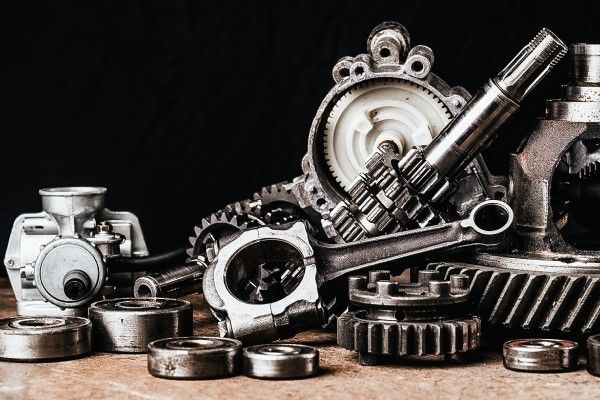
In a typical automotive production technology environment, an engine production line automation system moves engine blocks through sequential stations. At each station, automated tools perform specific tasks such as:
-
Installing crankshafts and bearings
-
Press-fitting pistons and connecting rods
-
Tightening bolts using calibrated torque tools
-
Applying sealants and gaskets
-
Conducting leak testing and end-of-line inspection
These systems often integrate with CNC machining systems and industrial automation systems, forming part of a broader smart factory solution.
The primary goal of engine assembly machines is consistency. Every engine must meet strict dimensional tolerances and performance standards. Automated assembly ensures repeatability, traceability, and data collection for quality monitoring.
Importance: Why Engine Assembly Machines Matter Today
Engine assembly machines play a central role in precision manufacturing equipment used across the automotive and heavy machinery industries. As global demand for reliable vehicles and equipment grows, manufacturers rely on advanced manufacturing technology to maintain output and quality.
This topic matters because engine reliability directly affects:
-
Vehicle safety
-
Fuel efficiency and emissions performance
-
Maintenance intervals
-
Operational lifespan
For manufacturers, these machines address several challenges:
-
Reducing assembly errors
-
Improving production speed
-
Ensuring compliance with environmental standards
-
Supporting digital quality control systems
Automation also supports data-driven manufacturing. Sensors record torque values, alignment measurements, and inspection results for each engine. This information is stored in industrial quality control systems, helping engineers trace defects and improve processes.
The following table outlines key benefits compared to traditional manual assembly:
| Feature | Manual Assembly | Automated Engine Assembly Machines |
|---|---|---|
| Consistency | Depends on operator skill | Highly standardized |
| Data Tracking | Limited documentation | Real-time digital records |
| Speed | Moderate | High throughput |
| Error Detection | Post-assembly checks | In-line monitoring |
| Scalability | Labor-dependent | Easily scalable |
Another important aspect is workforce safety. Robotic assembly systems handle heavy engine blocks and repetitive tasks, reducing the risk of strain injuries.
Engine assembly machines are not limited to passenger vehicles. They are used in:
-
Commercial trucks
-
Agricultural equipment
-
Marine engines
-
Industrial generators
As electrification expands, many production lines are being adapted to assemble hybrid powertrains and electric drive units alongside traditional engines.
Recent Updates: Trends and Developments in the Past Year
The engine manufacturing landscape continues to evolve with digital transformation and sustainability goals.
Recent developments in industrial automation systems include:
Increased Integration of Artificial Intelligence
Manufacturers have incorporated AI-based inspection tools into assembly lines. Vision systems powered by machine learning now detect micro-defects in components before final assembly.
Expansion of Hybrid Production Lines
Facilities are adapting engine production line automation to support both internal combustion and hybrid systems. Flexible platforms allow reconfiguration without full line replacement.
Greater Use of Digital Twins
Digital twin technology has become more common in advanced manufacturing technology. A digital twin simulates the entire assembly line, allowing engineers to test adjustments virtually before implementing them physically.
Energy-Efficient Assembly Systems
Manufacturers are optimizing robotic assembly systems to reduce energy consumption. Variable-speed drives and intelligent standby modes help improve energy efficiency.
Stronger Cybersecurity Measures
As smart factory solutions become more connected, manufacturers are reinforcing cybersecurity protocols to protect production data and industrial control systems.
The following simplified comparison highlights key trends:
| Area | Earlier Approach | Recent Approach |
|---|---|---|
| Inspection | Manual sampling | AI vision inspection |
| Line Design | Fixed configuration | Modular, flexible design |
| Data Use | Basic logging | Predictive analytics |
| Maintenance | Reactive | Predictive monitoring |
These changes reflect the broader shift toward intelligent, connected production environments.
Laws or Policies: Regulatory Influence on Engine Assembly Machines
Engine assembly machines operate within a regulatory framework shaped by safety, environmental, and manufacturing standards. While regulations vary across jurisdictions, common categories include:
Workplace Safety Regulations
Industrial equipment must comply with occupational safety standards that govern machine guarding, emergency stops, electrical systems, and ergonomic design.
Environmental Compliance
Engines assembled on these lines must meet emission standards and performance requirements. This influences torque specifications, sealing precision, and testing procedures.
Quality and Certification Standards
Manufacturers often align with internationally recognized quality management systems such as ISO-based standards. Engine assembly processes are documented to ensure traceability and compliance.
Energy Efficiency Policies
In many regions, governments encourage energy-efficient industrial systems. Engine assembly equipment may incorporate energy monitoring tools to align with sustainability initiatives.
Data Protection and Industrial Cybersecurity
As smart factory solutions collect detailed production data, manufacturers must follow data governance and cybersecurity requirements.
Government-backed manufacturing modernization programs also support digital transformation in factories. These initiatives promote adoption of advanced manufacturing technology, robotics, and automation to improve industrial competitiveness.
Tools and Resources for Understanding and Managing Engine Assembly Systems
Engine assembly machines rely on a wide range of tools, software platforms, and resources.
Common technical tools include:
-
Torque calibration software
-
PLC programming platforms
-
Industrial robot simulation tools
-
Vision inspection software
-
Predictive maintenance dashboards
Engineers and production planners often use:
-
CAD and CAM systems for component design
-
Digital twin simulation platforms
-
Manufacturing execution systems (MES)
-
Statistical process control (SPC) tools
Helpful online resources may include:
-
Engineering standards documentation platforms
-
Technical journals focused on automotive production technology
-
Industrial automation webinars and training courses
-
Industry association publications
The following table summarizes key categories:
| Tool Type | Purpose |
|---|---|
| PLC Software | Controls automated stations |
| Robot Simulation | Tests motion paths virtually |
| MES Platforms | Tracks production data |
| SPC Tools | Monitors quality trends |
| Digital Twin Systems | Simulates full production lines |
These resources support accurate planning, monitoring, and continuous improvement of engine production line automation.
Frequently Asked Questions
What is the difference between engine assembly machines and CNC machining systems?
CNC machining systems shape and cut metal components such as cylinder heads or crankshafts. Engine assembly machines focus on assembling those finished parts into a complete engine using torque tools, robots, and testing stations.
How do engine assembly machines ensure precision?
They use calibrated torque tools, sensors, alignment fixtures, and automated inspection systems. Data is recorded in real time to verify that each step meets specified tolerances.
Are engine assembly lines fully automated?
Some are highly automated with robotic assembly systems and minimal manual intervention. Others combine automated stations with skilled technicians for specialized tasks.
How does automation improve quality control?
Automation enables in-line monitoring and digital data tracking. Industrial quality control systems can detect deviations immediately, reducing the risk of defective engines reaching later stages.
Can assembly lines adapt to new engine models?
Modern engine production line automation systems are often modular. This allows reconfiguration to support updated engine designs or hybrid powertrains.
Conclusion
Engine assembly machines are a foundational component of modern automotive production technology and advanced manufacturing technology. They combine mechanical engineering, robotics, digital monitoring, and industrial automation systems to assemble complex engines with precision and consistency.
As manufacturing evolves toward smart factory solutions, these systems are becoming more intelligent, connected, and energy-efficient. Integration with AI inspection tools, predictive maintenance, and digital twin platforms reflects a broader transformation in precision manufacturing equipment.
Regulatory frameworks influence how these machines are designed and operated, ensuring safety, environmental compliance, and quality assurance. Meanwhile, engineering tools and data-driven platforms support continuous improvement across the production lifecycle.
Understanding engine assembly machines provides insight into how modern engines are built and how industrial automation systems shape global manufacturing standards.