Embossing Rollers Explained: Basics, Uses, and Practical Insights
Embossing technology developed to improve both the visual appearance and functional characteristics of materials. By imprinting patterns, manufacturers can add grip, decorative elements, security markings, or structural reinforcement to otherwise flat surfaces.
In its simplest form, an embossing system uses two rotating cylinders: one engraved roller and one counter roller. When a material sheet or web moves between them, pressure forces the design into the surface. This process creates raised or indented textures without removing material.
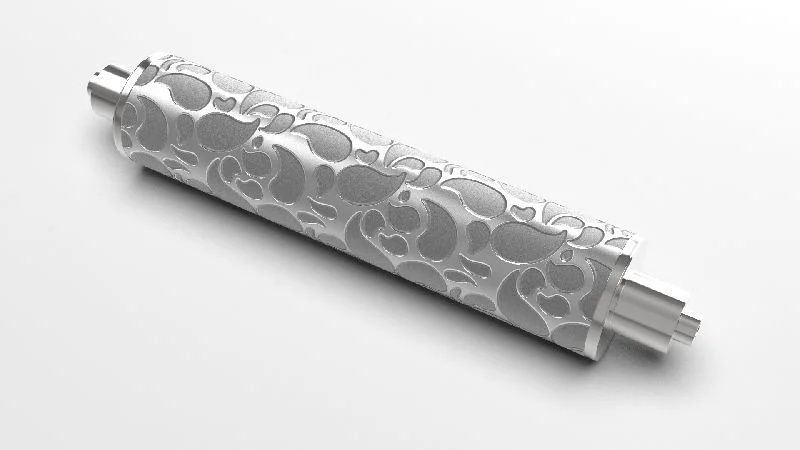
Industries began adopting embossing rollers widely when packaging, branding, and product differentiation became increasingly important. Decorative patterns on packaging, textured tissues, patterned leather goods, and anti-slip metal surfaces are common outcomes of embossing technology.
Embossing rollers are typically manufactured from hardened steel or alloy metals because they must withstand constant mechanical pressure and friction. Precision engraving—done through mechanical engraving, laser engraving, or chemical etching—ensures that patterns remain consistent across long production runs.
Common materials processed using embossing rollers include:
-
Paper and cardboard
-
Aluminum foil
-
Plastic films
-
Nonwoven fabrics
-
Leather materials
-
Rubber sheets
-
Thin metal plates
In industrial environments, embossing rollers often operate within automated production lines where speed, pressure, and temperature are carefully controlled. This ensures uniform texture formation across large volumes of material.
Why Embossing Rollers Matter in Modern Manufacturing
Embossing rollers play an important role in improving both product functionality and visual presentation. Modern manufacturing frequently relies on surface engineering to enhance performance characteristics without changing the base material.
Several industries depend on embossing processes:
-
Packaging and labeling
-
Tissue and hygiene products
-
Automotive interior components
-
Decorative laminates
-
Security printing
-
Building materials
Embossed textures can improve grip, absorbency, strength, and brand visibility. For example, tissue paper manufacturers often emboss decorative patterns to increase softness perception while also bonding layers together.
In packaging, embossed patterns can enhance brand identity and improve shelf visibility. Texture can also help prevent slippage during handling or transport.
Embossing rollers also support product authentication and anti-counterfeiting. Micro-patterned surfaces or complex textures are sometimes embedded in packaging materials to help identify authentic products.
The influence of embossing technology across sectors can be summarized below.
| Industry | Typical Embossed Material | Purpose of Embossing |
|---|---|---|
| Packaging | Paperboard, foil | Branding and texture |
| Tissue manufacturing | Tissue paper | Absorbency and bonding |
| Automotive | Vinyl and plastics | Interior surface design |
| Construction | Metal sheets | Anti-slip texture |
| Leather goods | Leather materials | Decorative patterns |
In addition to aesthetic advantages, embossing may improve mechanical properties. Some patterned metal sheets exhibit better structural rigidity due to the embossed geometry.
Another important advantage is process efficiency. Embossing modifies surfaces through pressure rather than material removal, which means less waste and consistent results during continuous production.
Trends and Developments in Embossing Technology
Manufacturing technologies related to embossing rollers have evolved significantly in recent years. Automation, digital engraving techniques, and advanced materials are influencing how rollers are designed and maintained.
One noticeable trend involves laser engraving technology. Laser-based engraving systems allow extremely precise micro-patterns to be created on steel rollers. These patterns can include complex textures that were previously difficult to achieve using traditional mechanical engraving.
Another development involves temperature-controlled embossing systems. In processes involving plastic films or laminates, controlled heating of embossing rollers improves pattern clarity and reduces material stress.
Digital design software is also influencing roller manufacturing. Pattern designs can now be created through computer-aided design platforms, allowing engineers to simulate textures before production.
Recent manufacturing reports also highlight increased demand for micro-embossing patterns used in specialty packaging and hygiene products. Micro-patterned surfaces can improve airflow, absorbency, and tactile qualities.
A simplified view of how embossing technology integrates with modern manufacturing systems can be illustrated below.
Material Feed → Pressure Rollers → Embossing Roller → Pattern Transfer → Finished Surface
In advanced systems, sensors monitor pressure levels and alignment between rollers. This helps maintain consistent pattern depth across the entire material width.
Automation and digital inspection tools are also being integrated into production lines. These tools detect irregularities in embossed surfaces, allowing manufacturers to correct mechanical alignment quickly.
Regulatory and Policy Considerations in Industrial Embossing
Embossing roller applications intersect with several regulatory frameworks related to manufacturing safety, environmental management, and product standards.
Industrial equipment used for embossing must comply with workplace safety regulations that govern machinery operation, mechanical guarding, and worker protection. Rotating rollers and high-pressure systems require protective mechanisms to prevent accidental contact.
Environmental policies may also influence embossing processes, particularly when surface treatments involve coatings, adhesives, or heating systems. Manufacturers often follow environmental management standards that address energy efficiency and emissions.
In sectors such as food packaging and medical materials, embossed surfaces must comply with product safety standards. These standards ensure that materials in contact with consumables meet hygiene and contamination requirements.
Quality certification frameworks are frequently applied to embossing roller production. Manufacturers may follow standardized quality management systems that ensure dimensional accuracy, material hardness, and engraving precision.
Common compliance considerations include:
-
Industrial machinery safety standards
-
Workplace hazard prevention guidelines
-
Environmental management frameworks
-
Packaging material safety standards
-
Quality assurance certification systems
Regulatory compliance helps ensure that embossing processes operate safely while maintaining consistent product quality.
Tools and Resources Used in Embossing Roller Design and Operation
The design and maintenance of embossing rollers rely on specialized engineering tools and digital platforms. These tools help engineers create patterns, simulate pressure conditions, and monitor production performance.
Common digital tools include:
-
CAD software for roller pattern design
-
CAM systems for engraving control
-
Surface simulation tools
-
Industrial inspection systems
-
Production monitoring dashboards
These tools help manufacturers maintain precision across large production volumes.
Below is a simplified overview of tools used throughout the embossing workflow.
| Stage | Tool Type | Purpose |
|---|---|---|
| Design | CAD modeling software | Pattern development |
| Engraving | CNC engraving machines | Precision pattern creation |
| Inspection | Surface measurement devices | Pattern verification |
| Production | Pressure monitoring systems | Consistent embossing depth |
| Maintenance | Surface scanning tools | Detect wear on rollers |
Digital surface scanners are particularly useful for identifying wear on roller engravings. Over time, repeated pressure can reduce pattern sharpness. Monitoring tools help determine when rollers require refurbishment.
Some production environments also use predictive maintenance systems. These systems analyze vibration, temperature, and pressure data to identify early signs of mechanical stress.
Frequently Asked Questions About Embossing Rollers
What is the difference between embossing and debossing?
Embossing creates raised patterns on a surface, while debossing creates recessed impressions. Both processes involve pressure applied through engraved rollers or plates.
Which materials are most commonly embossed?
Paper, plastic films, aluminum foil, leather, rubber, and thin metal sheets are among the most frequently embossed materials.
How long do embossing rollers typically last?
The lifespan depends on material hardness, production pressure, and maintenance practices. Hardened steel rollers designed for industrial production can operate through extensive manufacturing cycles when properly maintained.
What determines the depth of an embossed pattern?
Pattern depth is controlled by factors such as roller engraving depth, pressure applied between rollers, material thickness, and temperature conditions.
Can embossing improve product strength?
In some materials, patterned surfaces increase structural rigidity. For example, embossed metal sheets may resist bending more effectively due to geometric reinforcement.
Conclusion
Embossing rollers remain an essential component in modern manufacturing systems that require textured or patterned surfaces. Through controlled pressure and precision engraving, these rollers transfer intricate designs onto materials used in packaging, textiles, construction materials, and numerous other products.
Advances in digital engraving technology, automation, and material science continue to expand the possibilities of embossing processes. Micro-patterned surfaces, high-speed production systems, and digital inspection tools are improving both accuracy and efficiency.
At the same time, industrial regulations and quality standards ensure that embossing processes operate safely while maintaining consistent product characteristics.