Elevating Luxury Living: Explore Trends, Insights, and Timeless Style Basics
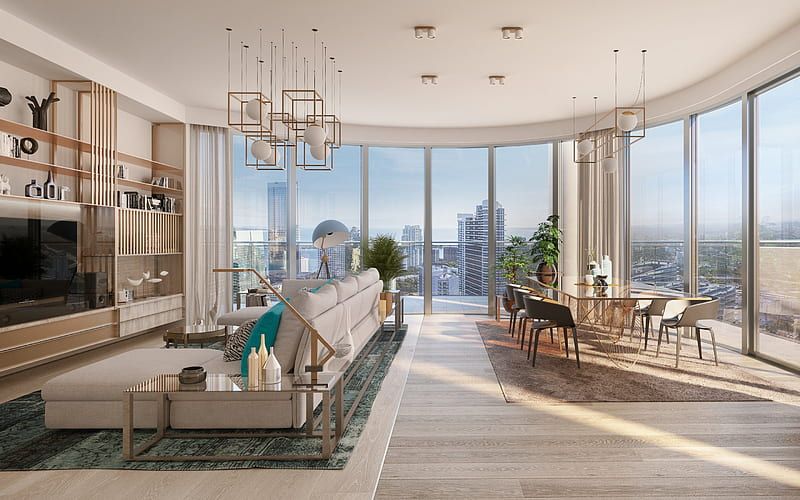
Luxury living is often associated with comfort, refinement, and intentional design. Today, it goes beyond aesthetics and includes sustainability, digital innovation, and long-term value planning. High-end residences now integrate smart systems, eco-conscious materials, and architectural precision while maintaining timeless elegance.
Luxury living refers to a lifestyle supported by thoughtfully designed spaces, advanced technology, and high-quality materials. Historically, it symbolized exclusivity and craftsmanship. Over time, it has expanded to include wellness-focused architecture, energy efficiency, and smart infrastructure.
Architectural icons such as Frank Lloyd Wright introduced concepts that emphasized harmony between structure and environment. His philosophy continues to influence contemporary sustainable architecture.
In urban development, destinations like Dubai and Monaco have become known for premium residential towers, waterfront villas, and technologically advanced buildings that reflect modern luxury real estate trends.
Luxury properties today often include:
-
Smart home automation systems
-
Sustainable construction materials
-
Private wellness areas
-
Advanced security integration
-
Architectural landscaping
The concept exists to meet evolving lifestyle expectations—comfort combined with performance and environmental responsibility.
Importance: Why Luxury Living Matters Today
Luxury living affects several sectors including construction, interior design, finance, technology, and environmental planning. It shapes urban skylines and influences housing standards across income levels.
Key reasons it matters:
-
Innovation Driver: High-end projects often introduce technologies later adopted in mainstream housing, such as energy-efficient lighting and integrated security systems.
-
Sustainable Architecture Impact: Premium developments increasingly prioritize green building certifications and reduced carbon footprints.
-
Wealth Management Strategies: Real estate remains a core asset class in diversified investment portfolios.
-
Urban Development Influence: Luxury developments can reshape city infrastructure and neighborhood growth.
Below is a simplified comparison of evolving luxury priorities:
| Traditional Focus | Modern Focus |
|---|---|
| Ornamental detailing | Minimalist elegance |
| Large square footage | Functional spatial planning |
| Imported materials | Sustainable and local materials |
| Standalone amenities | Integrated smart ecosystems |
| Visual appeal | Wellness and environmental balance |
As financial literacy and digital access expand, more individuals explore property investment insights and asset diversification strategies tied to luxury real estate.
Recent Updates: Emerging Trends in Luxury Lifestyle
Over the past year, several global patterns have influenced high-end property and lifestyle planning.
Growth in Smart Home Technology
Artificial intelligence integration and voice-controlled systems have become standard in premium homes. Systems compatible with platforms like Google Nest and Amazon Alexa are increasingly incorporated during construction rather than added later.
Rise of Wellness-Centered Architecture
Designs now emphasize air purification systems, natural lighting optimization, and acoustic comfort. Luxury developments often include meditation spaces, spa-inspired bathrooms, and biophilic design elements.
Eco-Conscious Building Materials
Architects are using recycled steel, engineered wood, and low-emission paints. Sustainable architecture certifications have gained attention in global real estate reports published during the last year.
Remote Lifestyle Influence
With remote and hybrid work models continuing, high-end homes now integrate private office suites, soundproof meeting rooms, and advanced connectivity infrastructure.
These updates reflect a shift toward performance-driven luxury rather than purely decorative elements.
Laws and Policies Influencing Luxury Real Estate
Luxury living is shaped by national housing regulations, environmental compliance standards, and urban zoning frameworks.
Common regulatory factors include:
-
Green Building Certifications: Environmental compliance standards guide energy usage and waste reduction.
-
Zoning Regulations: Determine building height, density, and land utilization.
-
Property Tax Structures: Influence long-term ownership planning.
-
Building Safety Codes: Ensure structural integrity and fire safety compliance.
-
Foreign Investment Guidelines: Affect international real estate participation.
In many countries, sustainability incentives encourage energy-efficient construction. Urban planning policies increasingly require green spaces and carbon-reduction measures in new developments.
Developers must align with infrastructure standards and environmental impact assessments before project approval. This ensures responsible urban expansion and long-term ecological balance.
Tools and Resources for Luxury Planning
Several digital tools and platforms support high-end lifestyle and property planning.
Property Research Platforms
-
Zillow
-
Realtor.com
These platforms provide market trend data and neighborhood analytics.
Interior Design Visualization Software
-
SketchUp
-
Autodesk
Used by architects and designers to create high-end interior design concepts.
Smart Home Ecosystems
-
Apple HomeKit
-
Samsung SmartThings
Enable centralized automation control.
Financial Planning Tools
-
Asset allocation calculators
-
Real estate portfolio trackers
-
Wealth management dashboards
These tools support informed decisions regarding long-term property investment insights and premium asset management.
Data Snapshot: Key Luxury Housing Features
| Feature Category | Adoption Level in High-End Homes |
|---|---|
| Smart Automation | Very High |
| Solar Integration | Increasing |
| Wellness Amenities | High |
| Sustainable Materials | Increasing |
| AI Security Systems | High |
The trend indicates a consistent rise in sustainability and digital integration across luxury housing segments.
Frequently Asked Questions
What defines luxury living today?
Luxury living today combines high-end interior design, smart home technology, sustainability, and wellness-oriented architecture rather than focusing only on size or decoration.
How does sustainable architecture influence luxury homes?
It reduces environmental impact, enhances energy efficiency, and supports long-term property value stability.
Why is smart home technology important in premium residences?
It improves security, energy management, convenience, and integrated digital control.
Are luxury real estate trends influenced by economic changes?
Yes. Interest rates, investment patterns, and global economic stability can affect development pace and property valuation.
What role does wealth management play in luxury property ownership?
Luxury real estate is often part of diversified asset portfolios designed for long-term capital preservation and estate planning.
Conclusion
Luxury living continues to evolve beyond aesthetics into a sophisticated blend of sustainable architecture, digital innovation, and mindful lifestyle planning. High-end interior design now prioritizes functionality, wellness, and environmental responsibility. Smart home technology has shifted from optional enhancement to essential infrastructure in premium residences.
Urban planning regulations, environmental policies, and financial planning frameworks play important roles in shaping this sector. As cities expand and sustainability standards strengthen, luxury living increasingly reflects balance—between elegance and efficiency, innovation and tradition.