Electric Vehicles (EVs) Information Hub: Overview, Explanation, Insights, and Advice
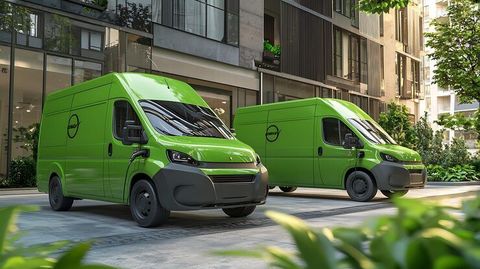
Electric Vehicles, commonly called EVs, are vehicles powered partly or entirely by electricity instead of conventional liquid fuels. They use electric motors and rechargeable battery systems to move people or goods. The idea behind EVs is not new. Early versions appeared in the late 19th century, but limitations in battery technology and infrastructure slowed adoption for decades.
Modern EVs exist largely because of advances in battery chemistry, digital controls, and power electronics. These improvements have allowed vehicles to travel longer distances, recharge more efficiently, and operate more reliably. EVs also emerged in response to concerns about air quality, resource dependence, and long-term transportation sustainability.
There are several main categories explained in simple terms:
-
Battery Electric Vehicles that rely entirely on stored electricity
-
Plug-in Hybrid Electric Vehicles that combine electric power with a conventional engine
-
Hybrid Electric Vehicles that generate electricity internally during driving
Together, these vehicle types represent a shift in how transportation energy is generated and used.
Importance: Why Electric Vehicles Matter Today
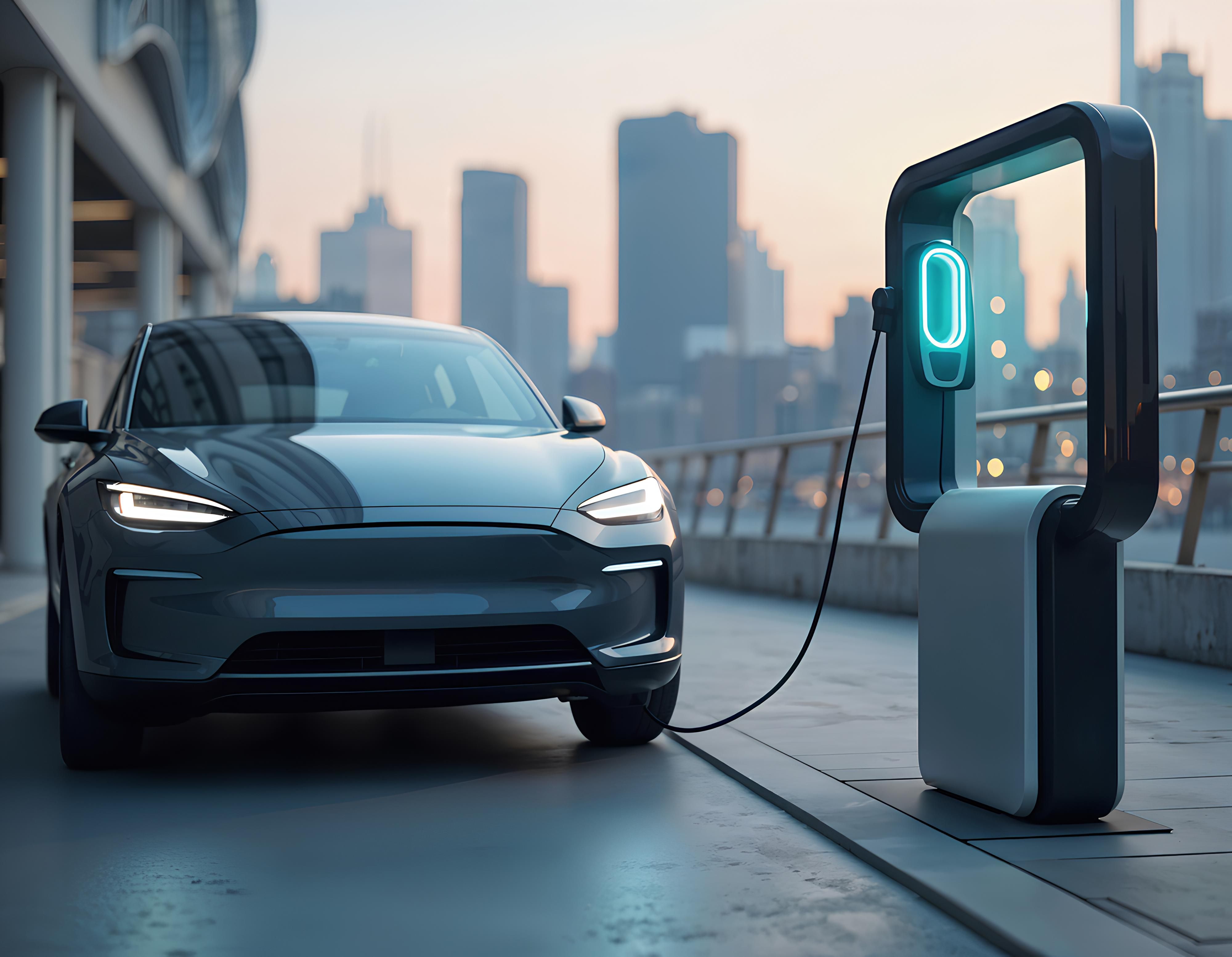
Electric Vehicles matter today because transportation affects daily life, environmental conditions, and long-term planning for cities and nations. Road transport is a major source of emissions in many regions, especially in densely populated areas. EVs are designed to reduce local exhaust emissions, which can improve urban air quality.
This topic affects multiple groups:
-
Individuals who rely on personal transportation
-
City planners managing traffic and pollution
-
Energy systems adapting to new electricity demand
-
Industries involved in manufacturing, software, and infrastructure
EVs aim to address several ongoing challenges:
-
Reducing tailpipe emissions in cities
-
Diversifying energy sources used for mobility
-
Improving efficiency through electric drivetrains
-
Supporting quieter transportation in residential areas
From a broader perspective, EV adoption is closely linked with renewable energy integration and long-term climate planning. While they are not a single solution to all transportation challenges, they play a role in a larger transition toward cleaner and more efficient systems.
Recent Updates: Changes and Trends Over the Past Year
Over the past year, Electric Vehicles have continued to evolve in noticeable ways. Throughout 2024 and into early 2025, several trends have stood out.
Battery technology improvements have focused on higher energy density and longer operational life. Research into solid-state batteries has progressed, with pilot-scale testing announced in mid-2024 by multiple manufacturers. These developments aim to improve durability and performance consistency.
Charging infrastructure has expanded in many regions. During 2024, fast-charging corridors increased along major highways, supporting longer-distance travel. Standardization discussions also advanced, with manufacturers aligning charging connectors to reduce compatibility issues.
Software has become a stronger focus. Vehicle updates delivered through wireless systems now commonly enhance battery management, navigation, and energy usage forecasting. This trend reflects EVs becoming more software-defined than traditional vehicles.
Market data published in late 2024 showed steady growth in EV registrations globally, with particularly strong adoption in urban and suburban areas. This growth has been supported by policy frameworks and public awareness rather than short-term incentives alone.
Laws or Policies: How Regulations Shape Electric Vehicles
Electric Vehicles are closely influenced by government rules and public programs. In many countries, including the United States, EV-related policies focus on emissions standards, infrastructure development, and research support.
Common policy approaches include:
-
Emissions regulations that encourage low-emission vehicles
-
National and regional targets for vehicle electrification
-
Public investment in charging infrastructure
-
Safety and performance standards specific to high-voltage systems
In the United States, federal guidelines updated in 2024 emphasized long-term emission reduction goals for light-duty vehicles. States also play a role, with some adopting advanced clean vehicle standards that influence manufacturer planning.
In other regions such as the European Union and parts of Asia, timelines for reducing conventional engine vehicle registrations have been announced, shaping long-term transportation strategies. These policies do not mandate individual choices but influence the overall direction of the automotive industry.
Tools and Resources: Helpful Ways to Understand EVs Better
Understanding Electric Vehicles can be easier with structured tools and informational resources. While this article does not link externally, the following types of tools are commonly used for education and planning:
-
Range estimation calculators that model driving conditions
-
Charging time estimators based on battery size and power level
-
Emissions comparison tools for different vehicle types
-
Interactive maps showing charging infrastructure density
-
Battery lifecycle visualization tools for educational use
These tools are often developed by academic institutions, public agencies, or independent researchers. They help users better understand how EVs function under different conditions without requiring technical expertise.
Common Questions About Electric Vehicles
1. How do Electric Vehicles work compared to conventional vehicles?
EVs use electric motors powered by batteries instead of combustion engines. Electricity stored in the battery is converted into motion through the motor, with fewer moving parts involved.
2. How far can an Electric Vehicle typically travel on a full charge?
Driving range varies depending on battery size, driving style, terrain, and weather. Many modern EVs are designed to handle daily commuting needs comfortably, with some models suitable for longer trips.
3. What happens to EV batteries at the end of their vehicle life?
Batteries can be reused for secondary applications such as stationary energy storage. Recycling processes are also improving, allowing recovery of valuable materials for new battery production.
4. Are Electric Vehicles suitable for cold or hot climates?
EVs operate in a wide range of temperatures. Extreme conditions can affect battery efficiency, but thermal management systems are designed to maintain safe and reliable operation.
5. How long does it take to recharge an Electric Vehicle?
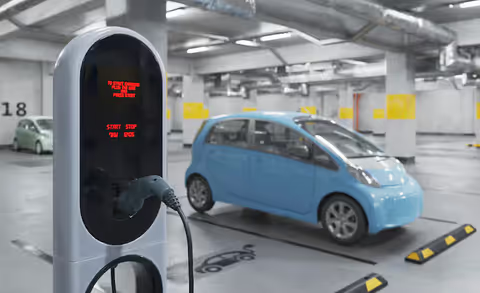
Charging time depends on the power source and vehicle capability. Slower options are typically used for overnight charging, while higher-power stations can replenish a significant portion of the battery in a shorter period.
Overview Table: Key EV Characteristics
| Aspect | Electric Vehicles | Conventional Vehicles |
|---|---|---|
| Primary Energy Source | Electricity | Liquid fuels |
| Local Emissions | None during driving | Present |
| Mechanical Complexity | Lower | Higher |
| Software Integration | High | Moderate |
Trend Snapshot: EV Development Focus Areas
| Area | Direction of Change |
|---|---|
| Battery Technology | Higher density, longer life |
| Charging Networks | Wider geographic coverage |
| Vehicle Software | Increased functionality |
| Policy Alignment | Long-term planning emphasis |
Conclusion
Electric Vehicles represent an important development in modern transportation. They exist to address efficiency, environmental, and planning challenges associated with traditional vehicle systems. Over the past year, progress in batteries, infrastructure, and software has continued steadily, supported by evolving policies in many regions.
Understanding EVs does not require technical specialization. With clear information, practical tools, and awareness of regulations, individuals and organizations can better understand how these vehicles fit into broader transportation systems. As technology and policy continue to evolve, Electric Vehicles are likely to remain a central topic in discussions about the future of mobility.