Electric Toothbrushes Guide: Working Technology, Brushing Modes, and Smart Oral Care Insights
Electric toothbrushes are powered oral care devices designed to assist with cleaning teeth and maintaining gum health through automated brushing movements. Unlike manual toothbrushes, these devices use small electric motors to create oscillating, vibrating, or rotating motions that help remove plaque from tooth surfaces.
The concept of the electric toothbrush emerged to improve brushing efficiency and consistency. Many people brush unevenly or apply inconsistent pressure when using manual tools. Electric toothbrushes exist to provide controlled movement and consistent cleaning action, helping users maintain better oral hygiene routines.
Over time, the technology has evolved from simple vibrating brushes to advanced devices with multiple brushing modes, pressure sensors, timers, and connectivity features. Today, electric toothbrushes are widely used in households, dental clinics, and oral care programs around the world.
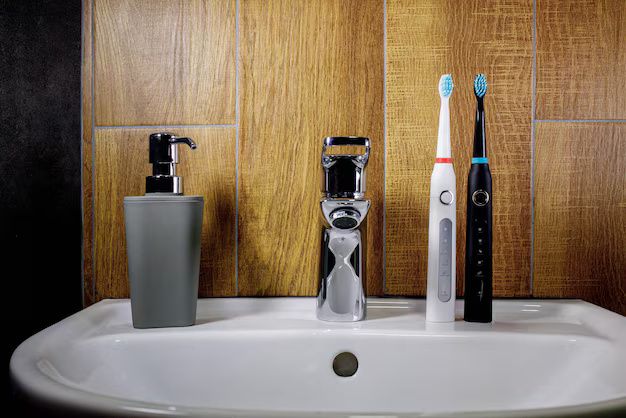
Importance: Why Electric Toothbrushes Matter Today
Electric toothbrushes are increasingly important because oral health is closely connected to overall well-being. Poor dental hygiene can contribute to issues such as tooth decay, gum disease, and systemic health concerns.
Why this topic matters today:
-
Improved cleaning performance: Automated brush movements help remove plaque more effectively than inconsistent manual brushing.
-
Better brushing habits: Built-in timers encourage brushing for the recommended duration.
-
Gentle care for gums: Pressure sensors help prevent excessive force while brushing.
-
Accessibility: Helpful for children, older adults, or individuals with limited hand mobility.
-
Preventive oral care: Supports daily routines that reduce long-term dental problems.
Electric toothbrushes affect a wide range of people, including families, dental professionals, and individuals seeking improved hygiene habits. They address problems such as uneven brushing technique, missed tooth surfaces, and insufficient brushing time.
Recent Updates: Trends and Developments (2024–2025)
Over the past year, electric toothbrush technology has continued to advance through improved sensor integration, smarter brushing feedback, and enhanced battery efficiency.
| Year | Development or Trend | Practical Impact |
|---|---|---|
| 2024 | Advanced motion sensors | More accurate detection of brushing coverage |
| 2024 | Longer battery efficiency | Reduced charging frequency |
| 2025 | Real-time brushing feedback | Better guidance for brushing technique |
| 2025 | Enhanced pressure monitoring | Improved gum protection during brushing |
Recent research in oral care technology has also explored improved brush head materials and refined oscillation patterns to balance cleaning efficiency with gentle gum care.
Laws and Policies Affecting Electric Toothbrush Technology
Electric toothbrushes fall under consumer health device regulations in many countries, ensuring safety, hygiene, and electrical reliability.
Common regulatory influences include:
-
Medical device or consumer health classifications: Some toothbrush models are regulated as personal hygiene devices rather than medical equipment.
-
Electrical safety standards: Regulations ensure safe battery operation, insulation, and charging systems.
-
Product labeling requirements: Devices must provide clear instructions for safe use and maintenance.
-
Consumer safety laws: Protect users by requiring tested materials and safe manufacturing processes.
Health agencies and dental associations often promote proper brushing practices through educational programs that encourage consistent oral care routines.
Tools and Resources for Better Oral Care
Several tools and resources help individuals understand and improve their brushing routines when using electric toothbrushes.
Helpful resources include:
-
Dental hygiene educational websites
-
Oral health awareness programs
-
Brushing time reminder tools
-
Tooth-care instructional videos from dental professionals
-
Preventive dental care checklists
Digital learning aids may include:
-
Brushing habit trackers
-
Oral hygiene guides from dental associations
-
Dental appointment reminder templates
-
Interactive brushing technique tutorials
These resources help users develop healthier habits and better understand effective brushing techniques.
Understanding Brushing Modes
Many electric toothbrushes include multiple brushing modes designed for different oral care needs.
| Brushing Mode | Purpose |
|---|---|
| Standard cleaning | Everyday plaque removal |
| Sensitive mode | Gentle brushing for gums |
| Whitening mode | Focused surface polishing |
| Gum care mode | Massage-like stimulation for gum health |
| Deep cleaning | Extended brushing cycle |
Each mode adjusts brushing intensity, motion pattern, or duration to support different oral care preferences.
Frequently Asked Questions
What is the main advantage of an electric toothbrush?
Its automated movement helps provide more consistent brushing and improved plaque removal compared with uneven manual brushing.
Are electric toothbrushes suitable for children?
Yes, many models are designed specifically for children and encourage proper brushing habits.
How long should brushing take?
Dental professionals commonly recommend brushing for about two minutes to clean all tooth surfaces effectively.
Can electric toothbrushes help protect gums?
Yes, many models include pressure sensors that alert users when excessive force is applied.
Do electric toothbrushes require special maintenance?
Routine cleaning of the brush head and regular replacement of worn heads help maintain effectiveness.
Conclusion
Electric toothbrushes represent an important development in everyday oral care. By combining automated motion, guided brushing modes, and supportive feedback features, they help individuals maintain more consistent and effective hygiene routines.
As technology continues to advance, electric toothbrushes are becoming more precise, comfortable, and adaptable to individual needs. Understanding how these devices work and how they fit within broader oral care practices allows users to make informed decisions and maintain healthier dental habits over time.