Electric Infrastructure Projects: Explore Guide, Insights, Basics, and Essential Knowledge
Electric infrastructure projects refer to the planning, design, expansion, and modernization of systems that generate, transmit, and distribute electricity. These projects include power plants, high-voltage transmission lines, substations, smart grid systems, battery energy storage, and EV charging infrastructure.
Electricity demand has grown consistently due to urbanization, industrialization, digital transformation, and electric mobility. Countries are upgrading aging grids while integrating renewable energy sources such as solar and wind into national power distribution systems.
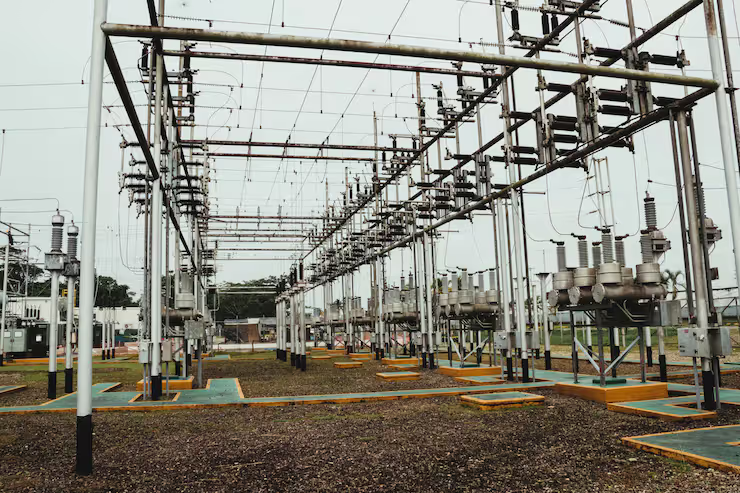
Key components of electric infrastructure include:
-
Power generation facilities (thermal, hydro, nuclear, renewable)
-
High-voltage transmission networks
-
Distribution systems for cities and rural areas
-
Grid automation and digital monitoring systems
-
Energy storage and grid stabilization technologies
Below is a simplified overview of major infrastructure segments:
| Infrastructure Segment | Primary Function | Technology Focus |
|---|---|---|
| Power Generation | Produce electricity | Solar PV, Wind Turbines, Gas Turbines |
| Transmission Lines | Transport electricity over long distances | High Voltage AC/DC (HVAC/HVDC) |
| Substations | Voltage conversion and grid control | SCADA, Smart Transformers |
| Distribution Systems | Deliver power to end-users | Smart Meters, Automation |
| Energy Storage Systems | Balance load and supply | Lithium-ion, Grid Batteries |
Electric infrastructure projects exist to ensure reliability, efficiency, sustainability, and resilience in national energy systems.
Importance: Why Electric Infrastructure Projects Matter Today
Electric infrastructure plays a foundational role in economic growth, climate goals, and digital development.
Modern economies rely heavily on uninterrupted electricity for:
-
Data centers and cloud computing
-
Industrial automation
-
Healthcare systems
-
Electric vehicle charging networks
-
Smart cities and IoT ecosystems
Grid modernization supports renewable energy integration, reducing carbon emissions while enhancing grid stability. Advanced transmission lines and substation automation reduce power losses and improve energy efficiency.
Who is affected?
-
Governments planning energy transition strategies
-
Utilities managing power distribution systems
-
Infrastructure investors tracking energy investment trends
-
Engineering and construction firms
-
Consumers dependent on reliable electricity
Electric infrastructure projects solve key challenges such as:
-
Grid congestion and aging assets
-
Renewable intermittency
-
Peak load management
-
Cybersecurity risks in smart grids
-
Climate resilience against extreme weather
Investment in transmission infrastructure and smart grid technology is considered essential for achieving long-term net-zero emission targets.
Recent Updates: Trends and Developments in the Past Year
Over the past year, electric infrastructure projects have accelerated globally due to climate commitments and electrification targets.
In 2025, the International Energy Agency highlighted that global grid investment must double by 2030 to meet renewable expansion goals. Several regions announced large-scale transmission upgrades to connect solar and wind farms to urban load centers.
The India continued expanding its Green Energy Corridor project in 2025, improving interstate transmission capacity for renewable energy integration.
The United States expanded funding for grid resilience under federal clean energy initiatives, accelerating substation upgrades and EV charging infrastructure deployment.
Key 2025 trends include:
-
Expansion of high-voltage direct current (HVDC) corridors
-
Growth in battery energy storage systems (BESS)
-
Increased use of AI-driven grid management platforms
-
Deployment of advanced metering infrastructure (AMI)
-
Cybersecurity investments for smart grids
Global infrastructure funds have also increased capital allocation toward sustainable energy infrastructure projects, signaling strong investor confidence in long-term grid modernization.
Laws or Policies: Regulatory and Government Frameworks
Electric infrastructure projects operate within complex regulatory frameworks. Governments establish energy policies, grid codes, and environmental standards to ensure safety, reliability, and sustainability.
In India, projects are guided by the Ministry of Power, which oversees transmission planning, renewable integration, and national electricity policy. The Central Electricity Authority (CEA) sets technical standards for grid operations.
In the United States, the Federal Energy Regulatory Commission regulates interstate transmission and wholesale electricity markets. Grid reliability standards are monitored under national energy policies.
The European Union continues implementing energy reforms under the European Commission, promoting cross-border transmission and decarbonization targets.
Common regulatory themes include:
-
Environmental impact assessments
-
Renewable portfolio standards
-
Grid interconnection policies
-
Energy storage guidelines
-
Carbon reduction commitments
Government programs often provide incentives for renewable energy integration and modernization of aging infrastructure while maintaining compliance with safety and grid reliability standards.
Tools and Resources for Electric Infrastructure Projects
Professionals involved in electric infrastructure projects rely on specialized tools, analytical platforms, and regulatory databases.
Key tools and resources include:
Energy Data & Research Platforms
-
International Energy Agency data portal
-
World Bank energy sector reports
-
U.S. Energy Information Administration electricity datasets
Engineering & Grid Modeling Software
-
Power system simulation tools
-
Load flow analysis software
-
Renewable integration modeling platforms
-
Grid stability assessment tools
Project Planning & Financial Modeling Tools
-
Infrastructure financial modeling templates
-
Risk assessment frameworks
-
ESG reporting guidelines
-
Capital budgeting software
Cybersecurity and Smart Grid Platforms
-
SCADA monitoring systems
-
Advanced Metering Infrastructure dashboards
-
AI-based grid analytics tools
These tools support decision-making, compliance, and performance optimization in large-scale infrastructure investments.
FAQs: Electric Infrastructure Projects
What is grid modernization?
Grid modernization refers to upgrading transmission and distribution networks using digital technologies, smart meters, automation, and advanced monitoring systems to improve reliability and efficiency.
Why is transmission infrastructure important for renewable energy integration?
Renewable energy sources are often located far from demand centers. High-voltage transmission lines transport electricity efficiently across long distances, enabling large-scale renewable integration.
What role does energy storage play in infrastructure projects?
Battery energy storage systems stabilize the grid by balancing supply and demand, managing peak loads, and mitigating renewable intermittency.
How do electric infrastructure projects support electric vehicles?
They expand EV charging infrastructure, upgrade distribution networks, and enhance load management systems to accommodate increased electricity demand from transportation electrification.
Are electric infrastructure projects environmentally regulated?
Yes. Environmental impact assessments, emission standards, and sustainability guidelines are typically required before project approval.
Conclusion
Electric infrastructure projects form the backbone of modern economies and the global energy transition. As electricity demand rises and renewable integration expands, countries are prioritizing grid modernization, transmission upgrades, and smart grid technology deployment.
Recent policy initiatives, rising energy investment, and advanced engineering tools are accelerating the transformation of power distribution systems worldwide. With proper regulatory oversight and strategic planning, electric infrastructure projects will continue supporting economic growth, sustainability goals, and long-term energy security.
By understanding the fundamentals, policy frameworks, tools, and emerging trends, stakeholders can make informed decisions in the evolving landscape of electric infrastructure development.